
Treaty of Waitangi (Te Tiriti o Waitangi)
The Treaty of Waitangi, signed 6 February 1840, is New Zealand's founding document. It established relations between Māori and the Crown and remains central to law, politics and bicultural practice.
Overview
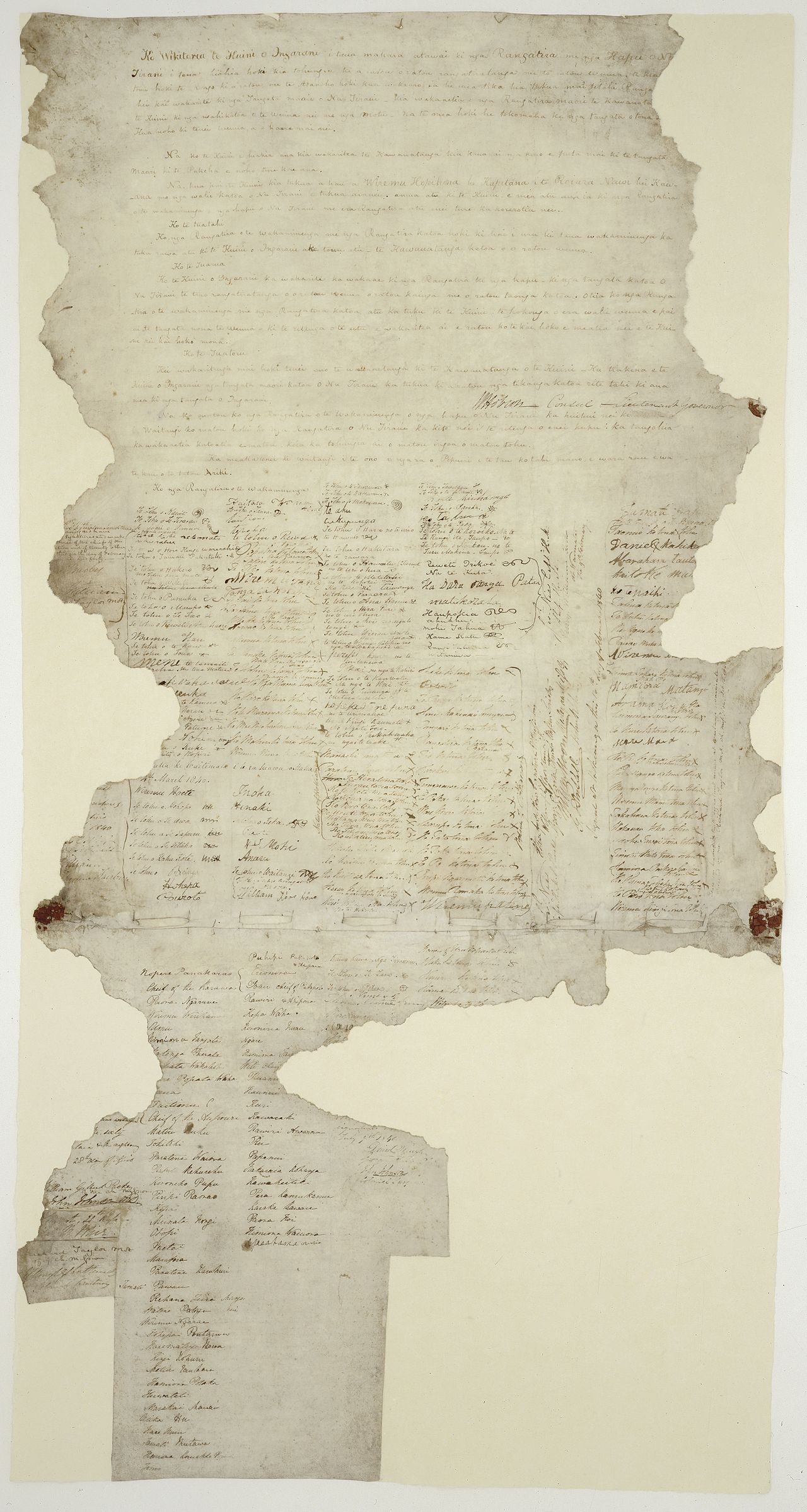
The Treaty of Waitangi, known in Māori as te Tiriti o Waitangi, was first signed on 6 February 1840 at Waitangi in the Northland region of Aotearoa New Zealand. It was concluded between representatives of the British Crown and a large number of Māori rangatira (chiefs). The document is widely regarded as a foundational instrument in the country's history and continues to shape public life, law and discussions about rights, governance and land.
Image gallery
10 Images


Key elements and versions
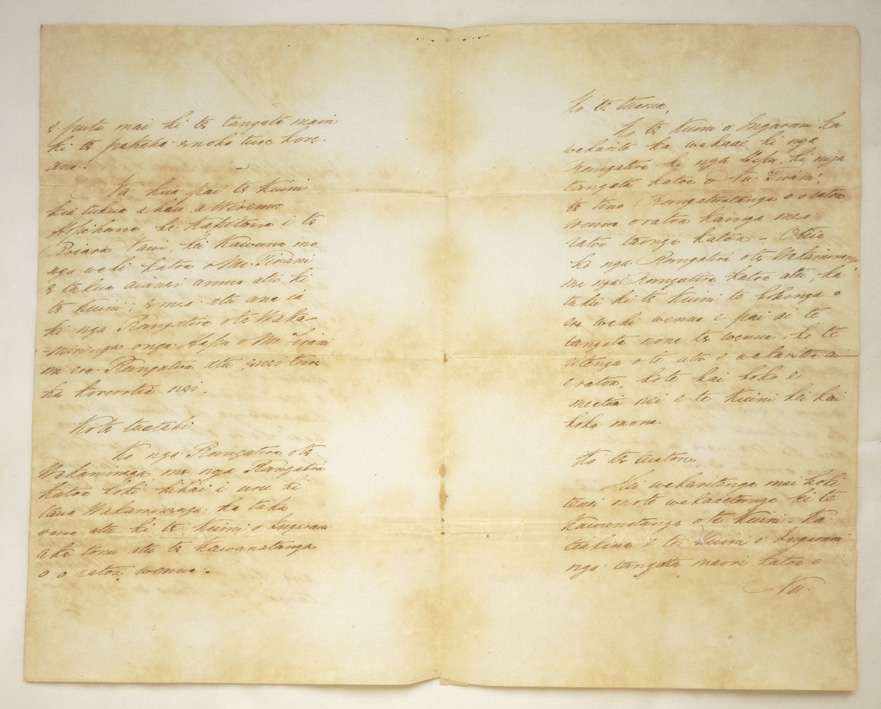
The treaty exists in at least two principal versions: an English-language text used by British officials and a Māori-language version that was presented to many chiefs. These versions use different terms for core concepts such as sovereignty and governance, which has contributed to varied interpretations and long-term debate. Its short articles addressed the transfer of authority, guarantees of property and rights, and the extension of the Crown's protection and privileges to Māori.
History and signing
Initial signing occurred at Waitangi, but many rangatira signed copies circulated to other parts of the country during 1840. The agreement marked the beginning of formal British involvement in New Zealand's institutions and law, although the practical consequences unfolded gradually and unevenly. For many Māori and for later historians, the differing texts and the circumstances of signing have been the subject of sustained analysis and reassessment.
Modern relevance and institutions
Debate about the treaty's legal force and contemporary meaning led to the creation of bodies and processes to address historical grievances. Notably, the Waitangi Tribunal was established in the 1970s to investigate claims that government actions breached the treaty or its principles. Treaty principles have been invoked in legislation, in court decisions, and in public policy as New Zealand seeks to reconcile competing understandings and to give effect to partnership aspirations.
Uses, examples and public observance
- Public policy and resource consent processes sometimes require consideration of treaty principles.
- Māori–Crown settlement processes have resolved specific historical land and resource claims through negotiated agreements.
- 6 February is commemorated as a national day (Waitangi Day), used for reflection, protest, ceremony and education about the treaty and its place in New Zealand life.
Distinctions and notable facts
Important distinctions include the differences between the English and Māori texts, the distinction between legal rights and political or moral obligations, and the evolution of treaty interpretation in courts and policy. The treaty is often invoked as both a source of rights and as a framework for partnership-building. For introductions and original-language references see te Tiriti resources and general treaty summaries at official collections. Background on the signing location is available at Waitangi, while context about colonial actors appears in summaries about British involvement and the role of European representatives. Contemporary Māori perspectives and the role of chiefs are discussed in many sources, for example Māori accounts and descriptions of rangatira signatories. For information about early settlers and signing expeditions see settler records and legal analyses at Waitangi-focused archives.
The Treaty of Waitangi remains a living instrument: its meanings and applications have changed over time and continue to be shaped by negotiation, law and society. Readers seeking primary texts, tribunal reports and government statements should consult authoritative repositories and specialist commentary.
Related articles
Author
AlegsaOnline.com Treaty of Waitangi (Te Tiriti o Waitangi) Leandro Alegsa
URL: https://en.alegsaonline.com/art/101320
Sources
- nzhistory.net.nz : "Waitangi Day"