
Trade secret
Trade secrets are commercially valuable, nonpublic information protected by law and business practices; protection relies on secrecy, economic value, and reasonable safeguards rather than registration.
Overview
A trade secret is information — such as a formula, process, design or other proprietary data — that gives a company an economic advantage because it is not generally known. Unlike patents or trademarks, trade secret protection does not require formal registration. Instead, it depends on the information remaining secret and on the holder taking concerted steps to preserve confidentiality.
Image gallery
2 Images
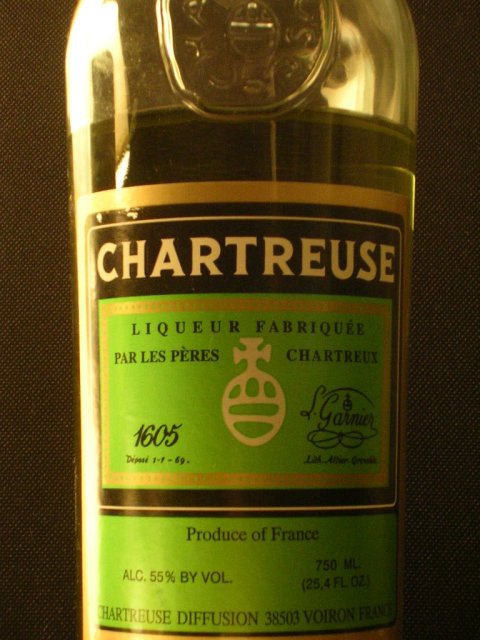
Defining characteristics
Most legal systems and commentators identify three central elements that distinguish a trade secret from other business information:
- Non‑public: the information is not generally known or readily ascertainable by proper means;
- Economic value: the secrecy of the information confers a commercial benefit relative to competitors or the market;
- Reasonable secrecy measures: the owner makes reasonable efforts to keep the information confidential.
Scope and examples
The category of subject matter eligible for trade secret protection is broad. Common examples include formulas and recipes, proprietary databases, customer lists, cost and pricing models, manufacturing techniques, marketing strategies, unique patterns of operation, and source code or internal tools such as software. Small firms and large corporations alike rely on secrecy for competitive edge; a business may package diverse items of confidential information into a single guarded asset.
Protection methods and reasonable precautions
Because trade secrecy depends on continued confidentiality, companies typically combine organizational, contractual and technical measures to protect assets. Common practices include:
- Use of nondisclosure agreements and confidentiality clauses with employees, contractors, and partners;
- Access controls, encryption, physical security, and compartmentalization of knowledge;
- Document marking, employee training, exit procedures and limited disclosure on a need‑to‑know basis.
Enforcement, limits and legal frameworks
The unauthorized acquisition, use, or disclosure of trade secrets is widely treated as an unfair commercial practice and may give rise to civil remedies or criminal penalties in many jurisdictions. Remedies can include injunctions, damages and, in some systems, exemplary fines. Trade secret law differs from patent law in important ways: patents require public disclosure in exchange for a time‑limited monopoly, whereas trade secrets can in principle last indefinitely but provide no protection against independent discovery or lawful reverse engineering.
History and notable facts
Protection of confidential business information has roots in common law doctrines and has been codified and harmonized over time. Many countries have adopted legislation or model statutes to define misappropriation and remedies; some jurisdictions also provide specialized criminal penalties where commercial espionage or theft is involved. Because protection is fact‑sensitive, courts often examine the specific precautions taken and the route by which the information was obtained when deciding disputes.
Importance and practical considerations
Trade secrets are a core asset class for firms in industries ranging from food and beverage to high technology. The ability to maintain secrecy can determine market position and valuation. At the same time, reliance on secrecy imposes managerial costs and risks: a leak may permanently destroy the advantage, and global operations must navigate varying legal protections and enforcement tools. Companies weigh the choice between seeking a patent, which requires disclosure but grants a defined term of exclusivity, and keeping information secret where feasible and valuable.
Further reading: basic introductions and practitioner guidance are available through government and legal resources; for example, materials that explain protection for specific items such as a formula, a process, or a design are commonly published by business support agencies and legal advisers. Additional sources may discuss safeguarding patterns of operation, compiling secure information systems, the responsibilities of business managers, tactics to deter competitors, and comparative rules across jurisdictions. Practical guides often include templates for confidentiality agreements and technical tips for protecting recipes, proprietary databases and software.
Related articles
Author
AlegsaOnline.com Trade secret Leandro Alegsa
URL: https://en.alegsaonline.com/art/101020