
Recipe: Definition, Components, History, and Practical Uses
Overview of recipes: definition, common parts, measurement conventions, history, uses, and practical guidance for writing, testing, scaling and safely using culinary instructions.
Overview
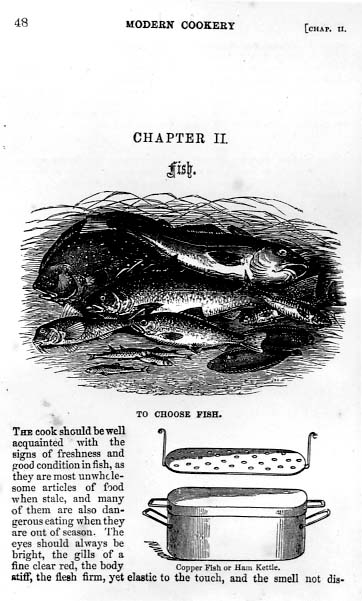
A recipe is a set of instructions describing how to prepare or make something, most commonly a dish of food. It names ingredients and quantities, lists equipment and times, and gives ordered steps so the result can be reproduced. While cooking is the most familiar context, the word can also apply to household preparations, craft projects and simple chemical mixtures used in everyday life.
Image gallery
9 Images




Common components
Modern recipes typically include several standardized parts to help users succeed. These often appear in this order:
- Title: the name of the dish or preparation.
- Yield or servings: how many portions the recipe produces.
- Time: preparation and active and passive cooking times.
- Ingredients: a list with quantities and brief preparation notes (for example, "chopped" or "room temperature").
- Equipment: special tools or cookware required.
- Directions: step-by-step instructions, often numbered or in paragraphs.
- Notes: variations, substitutions, storage, reheating and safety tips; sometimes nutritive information.
Measurements and conventions
Recipes use widely recognized measurement systems and conventions so readers can follow them. Ingredients may be listed by weight or by volume; professional cooks more often prefer weight for precision. Steps usually assume basic techniques (for example, how to beat, fold or simmer) and often advise sensory checks such as color, texture or aroma rather than only exact times. Where possible, good recipes make quantities and timings explicit and indicate oven temperatures, pan sizes and degrees of doneness.
Types and sources
Recipes appear in many formats: handwritten family cards, printed cookbooks, newspapers, food magazines, television demonstrations and online platforms. They range from brief reminders intended for experienced cooks to fully tested, detailed instructions for beginners. Specialized recipes exist for dietary needs (vegetarian, gluten-free, low-sodium), professional pastry production, and large-scale catering, each with its own conventions.
History and evolution
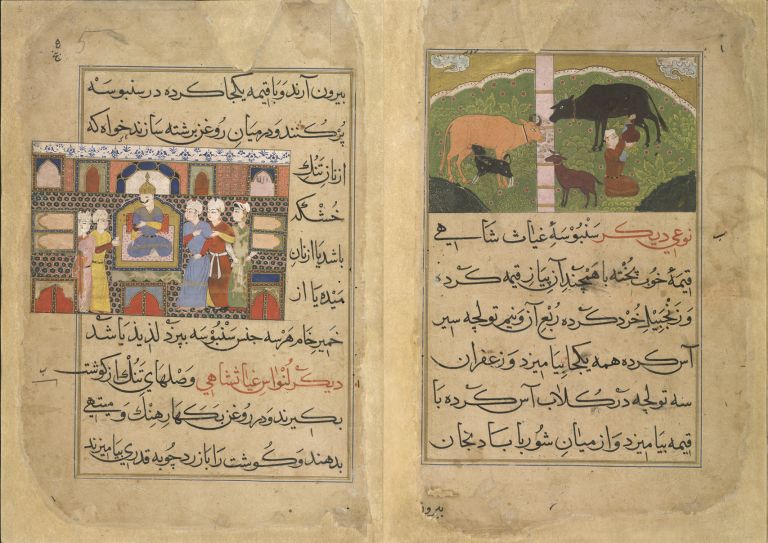
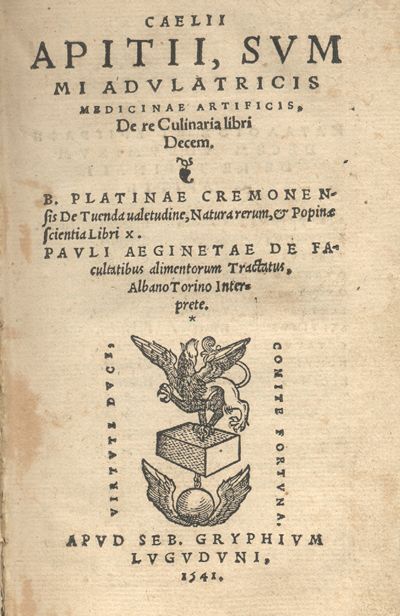
Guides to preparing food are ancient in origin. Early written recipes were often concise prompts for cooks who knew common techniques; later developments in printing, scientific understanding of nutrition and the growth of domestic science led to longer, more detailed forms. In recent decades digital media and social platforms have transformed recipes into multimedia resources with photographs, video demonstrations and user reviews that document variations and troubleshooting.
Writing, testing and scaling recipes
Writing a useful recipe requires clarity and testing. Ingredients are best listed in the order they are used, and steps should be concise and sequential. Testing helps establish accurate timings and temperatures and reveals ambiguous instructions. Scaling a recipe to make more or fewer servings raises issues of cooking vessel size and heat distribution, so many cooks recommend re-testing when quantities are significantly changed.
Practical uses, culture and safety
Recipes transmit culinary traditions and practical knowledge across generations and communities. They enable consistent results in home and professional kitchens and can support dietary planning. Safety considerations—proper handling of raw ingredients, safe internal temperatures for cooked foods and appropriate storage—are important parts of many recipes. Clear labeling of allergens and dietary attributes is increasingly common.
Distinctions and summary
A recipe differs from a scientific formula or laboratory protocol in its typical tolerance for variation and its reliance on sensory judgment. It is related to an algorithm in being a sequence of steps, but tends to allow adjustments. Whether shared orally, printed or published online, a well-crafted recipe balances clear, testable instructions with the flexibility needed for different kitchens and cooks of varying experience.
Questions and answers
Q: What is a recipe?
A: A recipe is a set of instructions that shows how to prepare or make something such as a food dish.
Q: What are the parts of modern-day recipes?
A: The parts of modern-day recipes include the name of the food being made, how much time it will take to make the food, the ingredients needed along with how much of it will be needed, the equipment needed, a list of steps that need to be followed in order to make the food, and the number of people that the recipe will be able to feed.
Q: What kind of information do older recipes usually provide?
A: Older recipes usually just reminded a person of the ingredients needed.
Q: What is the purpose of a recipe?
A: The purpose of a recipe is to provide instructions to prepare or make something such as a food dish.
Q: Why is it important to provide the number of people a recipe will be able to feed?
A: It is important to provide the number of people a recipe will be able to feed so that the cook can know how much of the ingredients to use in order to prepare enough food.
Q: What is included in the ingredients section of a recipe?
A: The ingredients section of a recipe includes a list of the ingredients needed along with how much of it will be needed.
Q: What is included in the list of steps section of a recipe?
A: The list of steps section of a recipe includes a list of steps that need to be followed in order to make the food.
Related articles
Author
AlegsaOnline.com Recipe: Definition, Components, History, and Practical Uses Leandro Alegsa
URL: https://en.alegsaonline.com/art/81560
Sources
- en.wikibooks.org : Cookbook
- en.wikibooks.org : Recipe
- semeia.org : Society of Biblical Literature
- pbm.com : "Medieval Cookbooks"