
Tourniquet (medical device)
A tourniquet is a band or device tightened around a limb to stop arterial bleeding. Used in emergencies and surgery, it has specific application steps, risks, and types including improvised and commercial models.
A tourniquet is a device—often a band, strap, or constricting system—applied tightly around an arm or leg to stop severe bleeding by occluding large blood vessels. In emergency care it is used when direct pressure cannot control hemorrhage or when a wound involves an artery. In controlled settings such as surgery a tourniquet can provide a bloodless field for a limited time.
Image gallery
8 Images


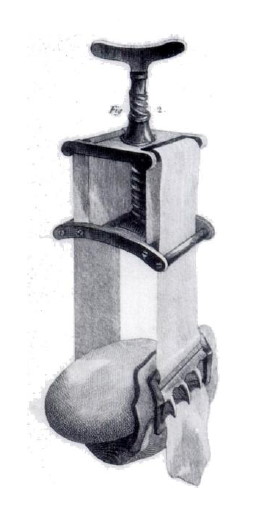
How it works and when to use one
By compressing the limb above a wound, a tourniquet reduces or stops arterial flow and limits blood loss. Proper placement and tightness are essential: too loose and bleeding continues; too tight or left on too long can cause nerve and tissue injury. Tourniquets are indicated for life‑threatening extremity hemorrhage, traumatic amputation, or situations where evacuation is delayed.
Types and materials
Commercially produced tourniquets are made for rapid, repeatable application and are recommended when available. In field or improvised scenarios, a strip of clothing, a belt, or other strong, flexible material may be used as a temporary measure. Examples include simple straps, windlass systems, and pneumatic cuffs used in operating rooms. For further guidance on supplies and approved devices see bandage and device resources and emergency care references.
Common materials range from webbing and Velcro to rubber or plastic components; in improvised cases clothing or scarves are sometimes employed. Training courses and official protocols explain recommended devices, fitting techniques, and time limits—consult a recognized guideline or medical protocol when possible.
Application steps and safety
- Expose the wound and apply direct pressure if possible before using a tourniquet.
- Place the tourniquet several centimeters above the injury, avoiding joints when feasible.
- Tighten until bleeding stops and document the time of application.
- Seek definitive care; do not loosen a prehospital tourniquet except under professional direction.
Risks include nerve damage, ischemia, and potential limb loss if misused or left in place for prolonged periods. Nevertheless, modern evidence and tactical medicine emphasize that correctly applied tourniquets save lives in severe bleeding; benefits usually outweigh risks when used for major hemorrhage. For training, supplies, and regional protocols consult recognized educational materials and local emergency services: device information, clinical guidance, improvised methods, and training resources.
Related articles
Author
AlegsaOnline.com Tourniquet (medical device) Leandro Alegsa
URL: https://en.alegsaonline.com/art/100896