
Transplant (surgery): organs, tissues, donors, rejection and advances
Surgical transplantation replaces damaged organs or tissues with healthy ones from donors. Covers types, donor sources, immune rejection, matching, immunosuppression, risks, history and emerging techniques.
Overview
Transplantation is a branch of surgical medicine in which living tissues or whole organs are moved from one body to another to restore function. Modern transplant practice combines surgical technique with immunology, donor matching, and long‑term medical management. A transplant may involve a single tissue graft or the transfer of a complex organ such as a heart, liver, or kidney. Clinicians aim to replace failing or damaged biological structures so the recipient can resume normal activities of daily living.
Image gallery
4 Images

Types and common examples
- Heart transplant — replacing a failing heart with a donor organ.
- Lung transplant — single or double lungs for end‑stage lung disease.
- Heart–lung transplant — combined replacement in select patients.
- Organ and tissue transplants such as liver, pancreas, cornea, and vascularized composite grafts.
- Skin grafts and other tissue transfers used in reconstructive surgery.
- Bone marrow (hematopoietic stem cell) transplant, technically a cellular transplant used to treat blood disorders.
- Kidney transplant — one of the most common life‑saving organ transplants, often from living donors.
- Xenotransplantation — experimental transfer between species, pursued to expand donor supply.
- Autotransplantation — moving tissue within the same person, avoiding immune rejection.
Donor sources and the process
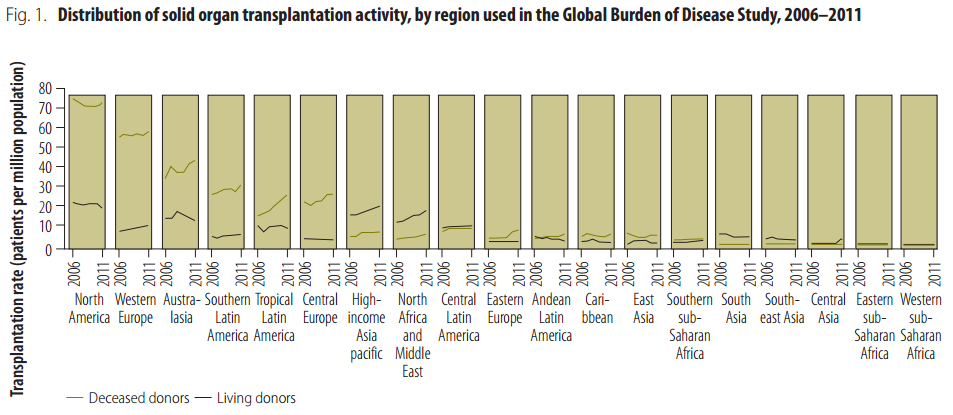
Donor organs come from either living individuals or deceased donors. For many organs the usual source is a recently deceased person whose organs are recovered under strict ethical and legal protocols; however, tissues such as bone marrow and a kidney can be donated by living donors with careful screening. A potential recipient and donor are evaluated for compatibility, medical fitness, and the urgency of need. Allocation systems and waitlists govern how organs are distributed to ensure fairness.
Immune response, matching and treatment
The main barrier to successful transplantation is the recipient’s immune recognition of the graft as foreign. The immune system may attack and damage the transplanted tissue — a phenomenon called rejection. To reduce this risk, clinicians perform laboratory tests to assess genetic and antigen compatibility, including human leukocyte antigen (HLA) matching and blood‑type compatibility. When full genetic identity is not possible, physicians use immunosuppressive medications to dampen the immune response. These drugs lower rejection risk but also increase susceptibility to infection and other complications, so regimens are tailored to balance graft survival and patient safety.
Complications, outcomes and follow‑up
Complications after transplant include acute and chronic rejection, infection, drug toxicities, and vascular or biliary problems specific to certain organs. Long‑term follow‑up is essential: recipients require surveillance biopsies or imaging, laboratory monitoring, and lifelong medication adjustments. Advances in surgical technique, organ preservation (for example ex vivo perfusion), and immunotherapy have steadily improved outcomes, though graft longevity varies by organ type.
History, ethics and future directions
Organ transplantation developed in the 20th century from early grafting experiments to routine life‑saving operations. Ethical issues such as consent, allocation priorities, and donor‑recipient selection remain central to practice. Research now focuses on inducing immune tolerance, improving donor organ preservation, developing artificial or bioengineered organs, and exploring safe approaches to xenotransplantation. Living donation programs, paired kidney exchanges and expanded criteria donors aim to increase organ supply while maintaining safety.
For clinicians and patients, the decision to pursue transplantation involves weighing benefits and risks, understanding the need for lifelong care, and navigating legal and logistical aspects of donation. Further reading on surgical techniques and post‑transplant care can be found through professional and patient resources such as transplant centers and specialist networks (see surgical overview, donor information, and deceased donor protocols). Other useful topics include immune system basics, genetic matching (HLA and genetics), and medical management with immunosuppressive drugs.
Related articles
Author
AlegsaOnline.com Transplant (surgery): organs, tissues, donors, rejection and advances Leandro Alegsa
URL: https://en.alegsaonline.com/art/101189