
Toxic shock syndrome
A rare but serious illness caused by bacterial toxins, most often from Staphylococcus aureus or Streptococcus pyogenes. Presents with fever, rash, low blood pressure and organ dysfunction; requires urgent care.
Toxic shock syndrome (TSS) is an acute, potentially life-threatening condition triggered by toxins released by certain bacteria. It develops rapidly and can affect multiple organ systems. Although uncommon, TSS is a medical emergency because the toxins act as superantigens, provoking a massive immune response that can cause shock and organ failure. Many authoritative summaries describe TSS as a toxin-mediated systemic illness linked to particular strains of bacteria.
Image gallery
2 Images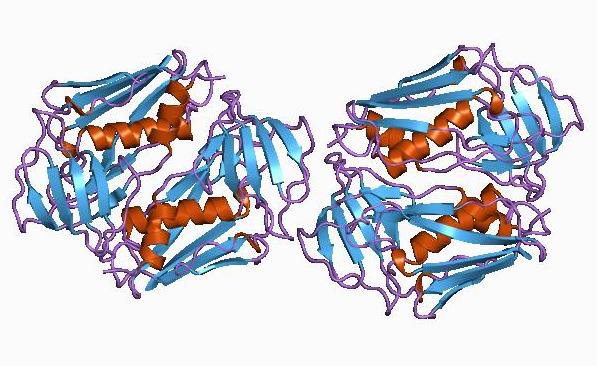

Causes and mechanism
The two organisms most frequently implicated are Staphylococcus aureus and Streptococcus pyogenes. Staphylococcal strains can produce toxic shock syndrome toxin-1 (TSST-1) and related proteins; streptococcal strains produce pyrogenic exotoxins. These toxins bypass normal antigen processing and trigger widespread T-cell activation and cytokine release, leading to the characteristic clinical features.
Typical signs and symptoms
- Sudden high fever, often with chills
- Diffuse rash that may resemble sunburn and later peel
- Low blood pressure (hypotension) and dizziness
- Gastrointestinal symptoms: vomiting, diarrhea
- Confusion, muscle aches, and signs of organ dysfunction (kidney or liver abnormalities)
Diagnosis and distinguishing features
Diagnosis is primarily clinical, supported by laboratory tests and cultures. Physicians look for the characteristic combination of fever, rash, hypotension and involvement of at least one additional organ system, while excluding other causes. Blood and local-site cultures may identify the responsible organism, but toxins can cause severe illness even when bacteria are difficult to isolate.
Treatment and prevention
Immediate management focuses on supportive care: aggressive fluid resuscitation, vasopressors if needed, and treatment of complications. Removing the source of toxin production—such as draining an infected wound or removing foreign material—is essential. Broad-spectrum and then targeted antibiotics that cover staphylococci and streptococci are used; severe cases may receive intravenous immunoglobulin (IVIG) and surgical intervention for invasive infection. Preventive measures include proper wound care, cautious use of tampons and nasal packing, and prompt attention to skin infections.
Historically, clusters of menstrual-associated TSS in the late 1970s and early 1980s drew attention to tampon practices and product design; since then awareness and product changes have reduced those cases. It remains important to recognize that non-menstrual TSS—associated with wounds, surgery or streptococcal invasive infections—can occur and is often more fulminant. Early recognition and treatment greatly improve outcomes.
Related articles
Author
AlegsaOnline.com Toxic shock syndrome Leandro Alegsa
URL: https://en.alegsaonline.com/art/100944