
Tracheotomy and Tracheostomy: Procedure, Uses, History, and Care
Tracheotomy/tracheostomy creates a direct airway in the neck. This article explains definitions, techniques, indications, emergency use, history, complications, aftercare, decannulation, and special considerations.
Overview
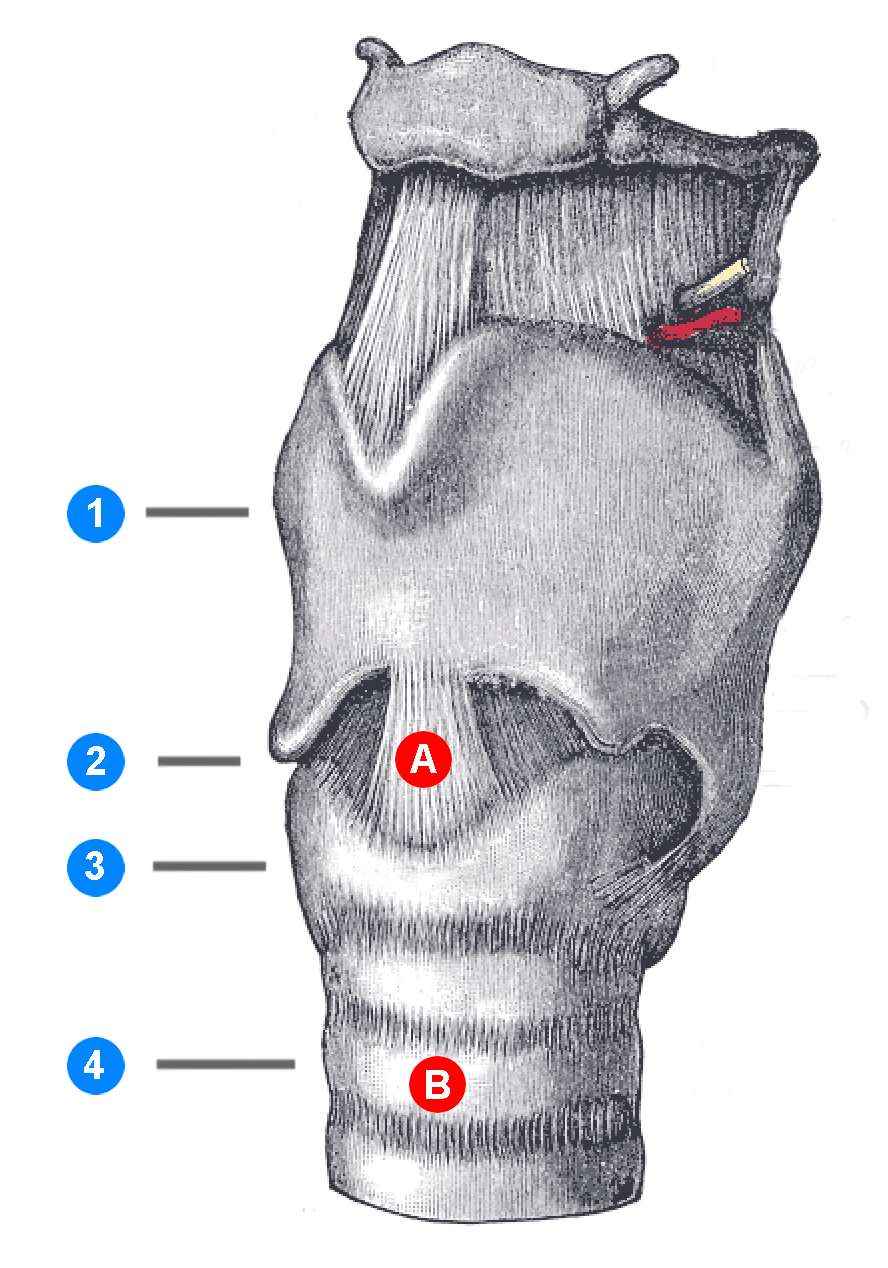
A tracheotomy is the surgical act of opening the trachea (windpipe) to establish a direct airway through the neck. A tracheostomy commonly denotes the created stoma (opening) and the tube inserted into it; in clinical practice the terms are often used interchangeably. The intervention may be performed as an emergency life‑saving measure or electively when long‑term airway access, prolonged ventilation, or protection of the lower airway is required. It is performed in hospitals by surgeons and critical care teams and, in emergencies, may be initiated by paramedics or emergency physicians. The procedure is also established in veterinary practice and may be performed by veterinarians for animals.
Image gallery
6 Images



Techniques and common equipment
Two broad approaches are used: open surgical tracheotomy and percutaneous dilational tracheostomy, often done at the bedside in intensive care units. Choice depends on patient anatomy, urgency, and operator experience. Typical equipment includes a tracheostomy tube (cuffed or uncuffed), inner cannula, obturator for safe insertion, securing ties, suction apparatus, humidification devices, and speaking valves for rehabilitative use.
- Surgical tracheotomy: performed by direct dissection through skin and soft tissues to expose the trachea; often used for complex anatomy.
- Percutaneous tracheostomy: involves dilating a small incision over the trachea, frequently guided by bronchoscopy or ultrasound; commonly used for bedside placement.
Indications and clinical uses
Common indications include prolonged mechanical ventilation, upper airway obstruction from trauma or tumor, inadequate airway protection due to neurologic disease, and need for frequent pulmonary toilet (suctioning). Compared with prolonged oral endotracheal intubation, tracheostomy may improve patient comfort, facilitate oral care and nutrition, and reduce sedation needs in some patients.
Procedure and immediate care
Elective procedures are performed under sterile conditions with careful planning of incision site and tube size. In emergencies a quicker cricothyrotomy may be chosen for rapid access; cricothyrotomy is usually temporary. After placement, immediate priorities include securing the tube, confirming correct position (clinical assessment and imaging or endoscopy when available), humidification, and suctioning to maintain patency.
Complications and prevention
Complications may be immediate (bleeding, accidental tube displacement, pneumothorax) or delayed (infection, tracheal stenosis, granulation tissue formation, fistula). Meticulous surgical technique, appropriate tube selection, infection control, and regular stoma care reduce risks. Long‑term follow up addresses airway remodeling and the potential need for reconstructive surgery in severe stenosis.
Aftercare, decannulation, and rehabilitation
Aftercare includes humidification, regular suctioning, stoma and skin hygiene, periodic tube changes, and speech and swallowing assessments. Decannulation (removal of the tube) is considered when the patient can protect the airway, clear secretions, and breathe without ventilatory support; it is a planned stepwise process with assessment and trial capping. Multidisciplinary teams including respiratory therapists, speech therapists, nurses, and surgeons optimize recovery.
Pediatric and special considerations
Children differ in anatomy and tube sizing; care requires pediatric expertise. Patients with neck deformities, prior surgery, or coagulopathy need individualized planning. In animals, species and size influence technique and tube choice.
History and notable milestones
Incised airways are mentioned in early medical records, with descriptions in ancient records and later medieval accounts. In the 12th century the physician Ibn Zuhr (Avenzoar) described approaches to relieve life‑threatening airway obstruction. Modern refinements, instrument design, and antiseptic practice in the 19th and early 20th centuries made the operation safer; standardized techniques for contemporary tracheostomy were further developed in the early 1900s and refined later. Tracheostomy is now a routine component of airway management across multiple specialties, including surgery.
Related articles
Author
AlegsaOnline.com Tracheotomy and Tracheostomy: Procedure, Uses, History, and Care Leandro Alegsa
URL: https://en.alegsaonline.com/art/101000
Sources
- tracheostomy.com : "Tracheostomy: Evolution of an Airway,"