
Traumatic brain injury
Traumatic brain injury (TBI) is damage to the brain caused by an external force. It ranges from mild concussion to severe, life‑changing injury and affects physical, cognitive, and emotional functions.
Overview
Traumatic brain injury (TBI), sometimes called an intracranial injury, occurs when an external force injures the brain. TBIs vary greatly in severity and in the ways they affect individuals: some people recover fully after a brief illness, while others sustain long‑term disability or die. The term "head injury" is broader and includes damage to other structures such as the scalp and skull, which may or may not involve direct brain damage.
Image gallery
10 Images
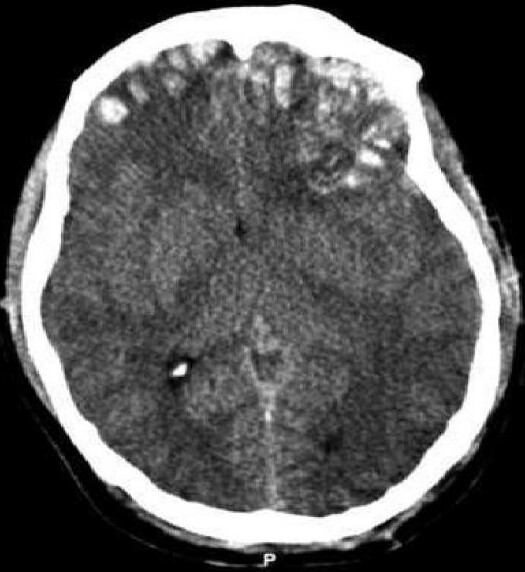


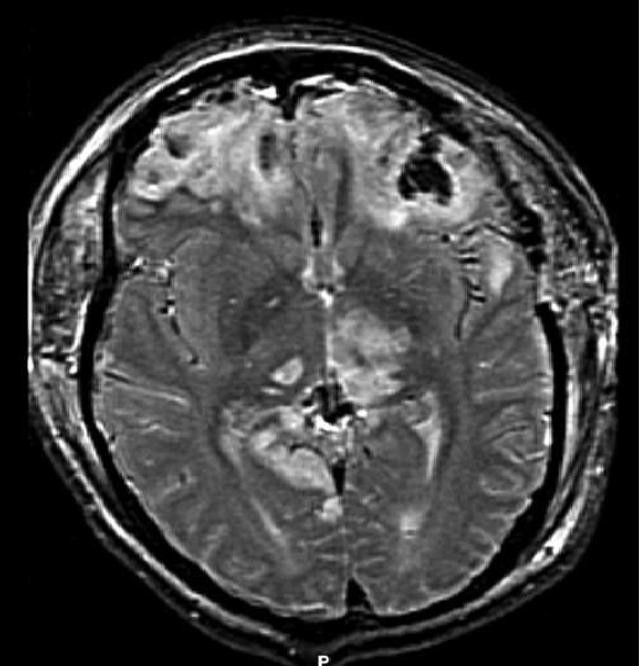
Characteristics and common presentations
Clinicians commonly classify TBI as mild, moderate, or severe, often using initial measures such as the Glasgow Coma Scale alongside imaging. Injury mechanisms include direct impact, rapid acceleration–deceleration, and penetrating wounds. Typical consequences span physical signs (headache, nausea, motor deficits), cognitive problems (memory, attention, executive function), and emotional or behavioral changes (irritability, depression). Secondary processes such as swelling, bleeding, and raised intracranial pressure can worsen outcome over hours to days.
Common clinical features include:
- Loss of consciousness or altered mental state
- Headache, dizziness, nausea
- Cognitive slowdown, confusion, memory gaps
- Mood changes, sleep disturbance
Causes, diagnosis and acute care
Frequent causes of TBI are falls, motor vehicle collisions, sports injuries, and assaults. Injuries may be closed (no penetration) or penetrating. Evaluation typically combines neurological examination, brief screening tests, and imaging such as CT or MRI when indicated. Early management focuses on stabilizing the airway, breathing and circulation, preventing further brain injury, and treating life‑threatening complications.
Assessment and early interventions can influence long‑term outcome; prognosis is highly variable and depends on injury severity, age, medical history, and timeliness of care. For some, recovery continues for months to years, while others face permanent impairment or loss of life outcomes.
Rehabilitation emphasizes physical therapy, occupational therapy, speech and cognitive therapies, and psychological support. Preventive measures—helmet use, fall‑proofing environments, safe sports practices and road safety—are central to reducing TBI incidence. For further general information and guidance see authoritative resources linked below.
Key points: TBI is heterogeneous, may produce subtle or profound effects, and benefits from coordinated acute care and long‑term rehabilitation.
Further reading and resources: definition, brain anatomy, scalp, skull, outcomes & prognosis.
Related articles
Author
AlegsaOnline.com Traumatic brain injury Leandro Alegsa
URL: https://en.alegsaonline.com/art/101237
Sources
- cdc.gov : "Prevention"