
Profanity: definitions, categories, cultural history, and social effects
An overview of profanity: meanings, common categories (religious, sexual, scatological), cultural variation, social functions, legal and moral responses, and modern media issues.
Overview
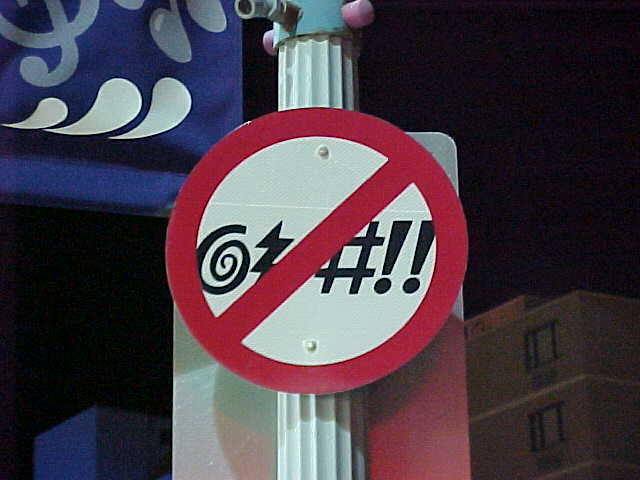
Profanity refers to words, expressions or gestures that many societies regard as offensive, vulgar or inappropriate in particular settings. The adjective profane describes language that violates prevailing standards of decency or that is seen as irreverent toward what a community holds sacred. Common synonyms include swear words, curse words, obscenities, expletives and strong language. What counts as profanity varies by culture, generation, social group and context; a term acceptable among friends may be taboo in formal or intergenerational contexts.
Image gallery
7 Images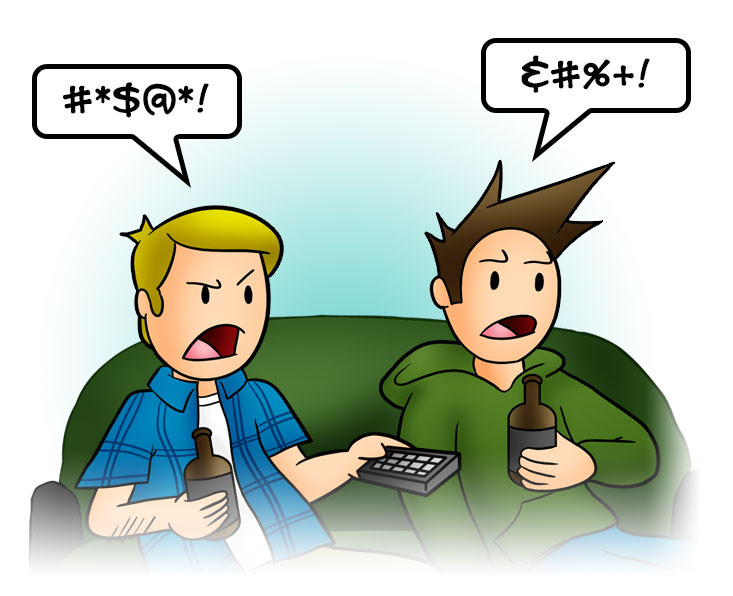


Categories and characteristics
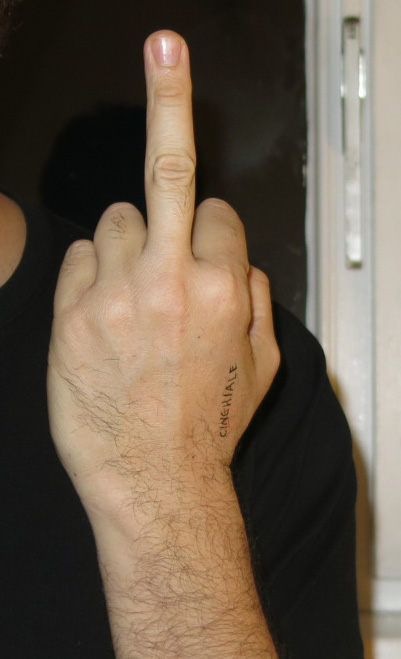
Profane language typically concentrates on a small set of sensitive subjects. These commonly include religion, sex and bodily functions. Religious profanity, often called blasphemy, involves language that disrespects sacred names, doctrines or rites; the verb to blaspheme names that act. Sexual and scatological terms draw on private or taboo aspects of human life and can be deployed to shock, insult or create humour. Nonverbal forms, such as an obscene gesture, are also recognized across cultures as profane acts.
History and cultural variation
The contrast between the sacred and the ordinary underlies much of the vocabulary labelled profane. The English term has classical roots in ideas about what is set outside of temples. Over time, particular words gain or lose force: expressions once regarded as harmless can become offensive, and vice versa. In some languages and cultural histories certain themes dominate; for example, everyday expletives in spoken French have historically incorporated religious elements more than is common in some other languages.
Functions and social uses
Despite negative associations, profane expressions fulfill communicative and social functions. They can convey strong emotion (anger, pain, surprise), act as intensifiers in speech, signal solidarity or informality among peers, and serve comedic or rhetorical purposes. Use and effect depend on audience, intent and setting: the same word can wound, amuse or strengthen group bonds depending on circumstances.
Legal, moral and religious responses
Responses to profanity range from social disapproval to formal sanction. Some legal systems have had or continue to have restrictions on blasphemy, public obscenity or hate speech, though enforcement varies. Religious teachings often influence attitudes: injunctions such as the Ten Commandments and passages in the Gospels are cited by adherents who consider certain speech forms wrong. Concepts like taboo and sin shape moral evaluations; some Christians and some Muslims regard swearing as morally wrong or spiritually harmful.
Media, censorship and workplace norms
Mass media and institutions commonly regulate language to balance freedom of expression with community standards. Broadcasters, publishers and employers develop style guides and codes of conduct that limit or contextualize profanity. Social media platforms apply policies to manage harassment and hateful content, and debates continue about where to draw lines between offensive language and legitimate expression.
Research, distinctions and practical guidance
Scholars of linguistics and social psychology distinguish between taboo vocabulary and vulgarity, study how profanity spreads and evolves, and examine its effects on cognition and social interaction. For practical communication: avoiding strong language in mixed, formal or unfamiliar settings reduces risk of offense; being aware of cultural variation helps interpret whether an utterance is insulting, habitual or performative. Readers seeking further introductory material can consult general resources on language, religion and etiquette that explore these topics in greater depth.
- Profanity is culturally and historically contingent: definitions change over time.
- Intent, audience and context determine perceived offensiveness.
- Regulation takes many forms, from social sanction to institutional policy.
For related concepts and more background see entries on profane, religion, sex and social taboos represented in comparative studies.
Questions and answers
Q: What is the definition of profanity?
A: Profanity is bad/swear words, and/or using vulgar/offensive language. It can also be referred to as curse ("cuss") words, swear words, dirty words, bad words, foul language, strong language, obscenity, obscene language or expletives.
Q: What is the verb form of blasphemy?
A: The verb form of blasphemy is to blaspheme.
Q: Is saying “God!” or “Jesus Christ!” considered blasphemy?
A: Yes, saying “God!” or “Jesus Christ!” as an expression of surprise or annoyance is considered by many to be blasphemy because one of the Ten Commandments says not to use God's name "in vain" (without substance or without relevance).
Q: Are oaths considered wrong by some who follow Jesus' teaching?
A: Yes, swearing oaths can also be considered wrong by some who follow Jesus' teaching against swearing oaths in the Gospels (such as Matthew 5:34).
Q: Can a profanity be a word or gesture?
A: Yes, a profanity can be a word or gesture or some other form of behavior. Different words can be profane to different people and what words are thought of as profanity in English can change over time. Whether a word is a profanity will always depend on the way people think.
Q: Are there certain taboo words that should not be used?
A: Yes, there are certain taboo words that should not be used which are thought by some people to be a sin. For example, some Christians and some Muslims believe that swearing is a sin.
Q: Does it matter how people think about something for it to qualify as profane?
A:Yes, whether something qualifies as being profane depends on how people think about it; Some people may find something offensive while others may not
Related articles
Author
AlegsaOnline.com Profanity: definitions, categories, cultural history, and social effects Leandro Alegsa
URL: https://en.alegsaonline.com/art/79345
Sources
- m-w.com : Definition of Profane