
Tony Hancock: British comedian and actor
Overview of Tony Hancock (1924–1968), his career in radio and television (Hancock's Half Hour), comic style, key collaborations, later work, personal life and legacy.
Anthony John Hancock (12 May 1924 – 24 June 1968) was a British comedian and actor who became one of the most influential figures in mid-20th century British comedy. He worked across radio, radio (recorded broadcasts), television and in movies, creating a comic persona whose combination of pretension, melancholy and observational wit set a template for later performers.
Image gallery
5 Images

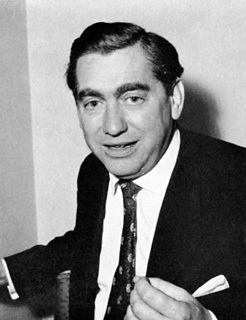


Career and style
Hancock first attracted national attention for a series that mixed situation comedy with character-driven sketches. He was best known for the BBC radio programme Hancock's Half Hour (which ran in radio and later in television form during the 1950s and early 1960s). The show presented Hancock as a frustrated, self-regarding everyman — often called "the lad himself" — whose petty hypocrisies and thwarted ambitions were played for both humour and pathos. Writers and collaborators around him helped shape the material, and the show is regularly cited as a turning point in British comic writing for its emphasis on character over gag.
Notable work and collaborations
Hancock worked with a number of performers and writers who played important parts in his output. He performed alongside comic actors such as Sid James in early series until around 1960, and his scripts benefited from the contributions of writers who worked to ground the humour in recognizable social detail. He also made a series of films and special programmes that extended his stage persona into other formats, allowing him to test longer-form narratives and film comedy techniques.
Key characteristics of his work included an ironic mix of self-importance and failure, carefully timed pauses and a delivery that made conversational frustration into comedy. This approach influenced later British comics who prized subtlety and realism over broader slapstick.
Hancock was born in Hall Green, Birmingham, and spent parts of his childhood in the south of England. He grew up in Bournemouth in Hampshire and was educated in towns including Swanage and Dorset, with later schooling in Reading, Berkshire. These provincial settings and the aspirations associated with them often fed into the themes of his comedy.
Later life and death
Behind Hancock's public persona were persistent personal problems. He struggled with mood and with alcohol, described in many accounts as a long-term alcoholic and someone who suffered serious depression. In June 1968 he died while on location in Australia; reports record that he killed himself in Sydney by taking an overdose of prescribed stimulant drugs and drinking alcohol, specifically amphetamines and vodka, in Sydney, New South Wales, Australia. His death was widely reported and prompted reflections on the pressures faced by performers and the relationship between fame and mental health.
Hancock's reputation has remained significant. Broadcasters, comic historians and performers continue to study his timing, his ability to create a recognisable, flawed character and his contribution to a move toward more naturalistic comedy on radio and television. Collections and retrospectives have kept selected episodes and performances in public view, and his influence can be traced in later generations of British comedians who emphasise character, awkwardness and social observation over purely gag-based routines.
- Overview: A pioneering mid-century British comic who worked in radio, television and film.
- Style: Character-led, often melancholic humour that mixed irony and pathos.
- Legacy: Influential on later British comedy writing and performance techniques.
Related articles
Author
AlegsaOnline.com Tony Hancock: British comedian and actor Leandro Alegsa
URL: https://en.alegsaonline.com/art/100572
Sources
- waterstones.com : "Tony Hancock: The Definitive Biography"