
Toxic metals: causes, health effects, exposure and prevention
Overview of toxic metals, common harmful elements, how they affect health, routes of exposure, diagnosis and treatment options, and strategies for prevention and environmental control.
Overview
Toxic metals are elements that can cause adverse biological effects when present in living organisms at elevated concentrations. The phrase often refers to certain heavy metals — such as lead, mercury, cadmium and arsenic — that are persistent in the environment and can accumulate in body tissues. Not all heavy metals are uniformly dangerous: some, including iron and zinc, are essential in small amounts, while others such as bismuth have relatively low toxicity. Both naturally occurring and industrial sources contribute to human and ecological exposures.

Image gallery
3 Images
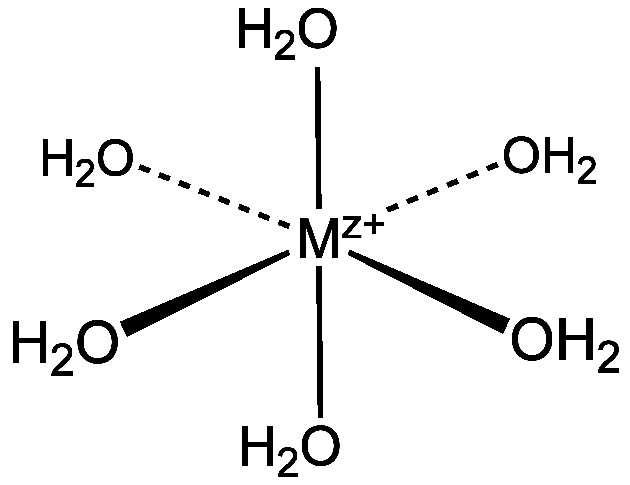

Common toxic metals and characteristics
Toxic metals differ in chemical behavior, routes of exposure and biological targets. Key examples include:
- Lead — affects the nervous system and blood-forming organs, with children especially vulnerable to developmental harm.
- Mercury — exists in elemental, inorganic and organic (methylmercury) forms; the organic forms readily cross the blood–brain barrier.
- Cadmium — accumulates in kidneys and bone, and is associated with kidney damage and bone weakness.
- Arsenic — a metalloid often grouped with toxic metals; chronic exposure can damage skin, the nervous system and increase cancer risk.
- Manganese — an essential micronutrient but neurotoxic at high airborne concentrations, particularly in occupational settings.
History and sources
Toxic metals have been used by humans for millennia in tools, pigments, medicines and fuels. Industrialization greatly increased environmental emissions through mining, smelting, fossil fuel combustion and improper waste disposal. Radioactive metals and isotopes introduce additional hazards when released by nuclear activities or accidents. Contemporary concerns focus on legacy contamination (old mines, leaded paint) and ongoing emissions from industry and agriculture.

Routes of exposure and health effects
People encounter toxic metals by ingesting contaminated food or water, inhaling dust or fumes, or through dermal contact. Health effects vary by metal, dose and duration: acute high-level exposures may cause gastrointestinal distress, respiratory problems or organ failure, while chronic low-level exposure can produce neurological deficits, developmental delays, kidney disease and increased cancer risk. Vulnerable groups include young children, pregnant people and workers in affected industries.
Diagnosis, treatment and management
Detecting excess metals typically involves measuring levels in blood, urine, hair or tissues and correlating them with symptoms and exposure history. Medical management ranges from supportive care to specific interventions such as chelation therapy for certain high-level poisonings; chelation should be used under medical supervision because it can have side effects and is not appropriate for all situations. Public-health responses emphasize exposure reduction and environmental cleanup.
Prevention, remediation and policy
Key prevention measures include regulating emissions, replacing toxic materials (for example, removing lead paint), ensuring clean drinking-water supplies and using protective equipment in workplaces. Environmental remediation techniques include soil removal, stabilization and biological approaches such as phytoremediation. International health agencies maintain guidance on acceptable exposure limits and ongoing surveillance to protect communities.
Notable distinctions and facts
- Some elements classified as heavy metals are essential at low doses and toxic at higher doses; context matters.
- Different chemical forms of the same element (e.g., inorganic vs. organic mercury) have very different toxicities.
- Because metals do not biodegrade, they can persist in ecosystems and biomagnify in food chains.
For further reading on metals in general and specific elements, see resources on metals, cadmium, manganese and other related topics from trusted health and environmental agencies. If you suspect harmful exposure, consult a health professional for testing and advice.
Questions and answers
Q: What are the most common metals associated with heavy metal poisoning?
A: The most common metals associated with heavy metal poisoning are lead, mercury, arsenic and cadmium.
Q: Are there any essential heavy metals?
A: Yes, some heavy metals are essential and necessary for human health.
Q: How long have humans been using heavy metals?
A: Humans have been using heavy metals for thousands of years.
Q: What is the main threat to human health from exposure to heavy metals?
A: The main threats to human health from exposure to heavy metals are associated with lead, cadmium, mercury and arsenic.
Q: What is meant by "heavy metal poisoning"?
A: Heavy metal poisoning is the accumulation of toxic amounts of certain types of metals in the soft tissues of the body.
Q: What international bodies regularly review effects on human health from exposure to these elements?
A: International bodies such as the World Health Organization (WHO) regularly review effects on human health from exposure to these elements.
Q: How can you tell if you have been exposed to high levels of toxic materials in your body?
A: You can tell if you have been exposed to high levels of toxic materials in your body through a blood or urine test that measures levels of certain toxins in your system.
Related articles
Author
AlegsaOnline.com Toxic metals: causes, health effects, exposure and prevention Leandro Alegsa
URL: https://en.alegsaonline.com/art/100943