
Tile (manufactured building material)
Durable manufactured pieces—commonly ceramic, stone, porcelain, glass or metal—used to cover roofs, floors, walls and decorative surfaces; available in many sizes, shapes and finishes.
Tiles are manufactured pieces of hard-wearing material designed to form a durable and often decorative covering for buildings and other constructed surfaces. Typical materials include ceramic, stone, porcelain, metal and glass. They are made in many sizes and shapes and may be glazed or unglazed, textured, polished or naturally finished to suit different functional and aesthetic needs.
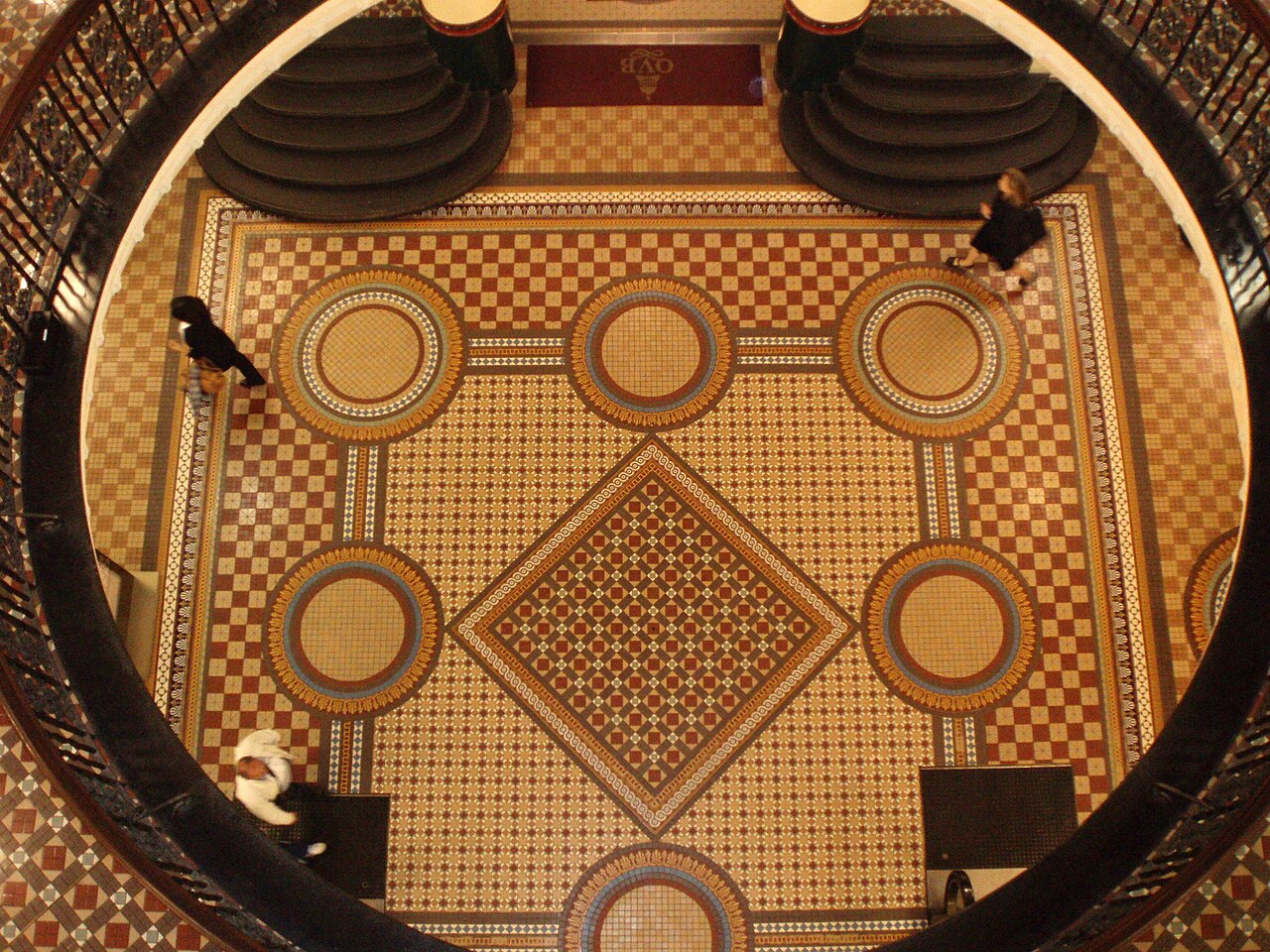
Common applications include covering roofs, floors and walls. Roofing tiles are specially profiled to shed water and are often made of clay, concrete or metal; see general information on roof tiles. Floor and wall tiles provide a durable surface for wet or high-traffic areas and are available in products intended specifically for floor or wall use. Small tiles can be assembled into intricate patterns and pictorial mosaics.
Image gallery
10 Images




Materials and manufacture
Clay-based tiles are formed, dried and fired in kilns. A glassy surface is often produced by applying a ceramic glaze before firing. Porcelain tiles are made from refined clays pressed and fired at higher temperatures to produce a dense, low-porosity body valued for durability and frost resistance. Natural stone tiles are cut, calibrated and finished from quarried blocks; each stone species has characteristic hardness, porosity and appearance. Metal and glass tiles are cast, pressed or tempered and may receive additional backing or coatings for adhesion and protection.
Forms and properties
- Shapes: squares, rectangles, hexagons, planks and custom profiles for decorative or functional effect.
- Surface: glazed, matte, polished, honed or textured to influence slip resistance and appearance.
- Physical properties: thickness, breaking strength and porosity determine suitability for floors, walls or exterior use.
- Special types: vitrified and porcelain bodies for low water absorption, quarry tiles and natural stone for rustic finishes.
Installation and maintenance
Tiles are fixed to prepared substrates with mortars or adhesives and joints are usually filled with grout to accommodate movement and prevent moisture penetration. Suitable substrates, correct adhesive choice and proper joint width are important for long-term performance. Maintenance ranges from routine cleaning to periodic regrouting or resealing, especially for porous natural stone.
History and contemporary use
Tile-making has ancient roots, with glazed and fired tiles used for millennia in many cultures for both functional and decorative purposes. Industrial advances in the 20th century reduced costs and increased variety, particularly for porcelain and glass tiles, making them widely available for residential and commercial projects. Today tiles remain a common choice where durability, hygiene and design versatility are required.
Related articles
Author
AlegsaOnline.com Tile (manufactured building material) Leandro Alegsa
URL: https://en.alegsaonline.com/art/99865