
Mosaic (decorative art)
A decorative art built from small pieces of stone, glass or tile (tesserae). Covers techniques, materials, history, uses and conservation of mosaics in architecture and public art.
Overview
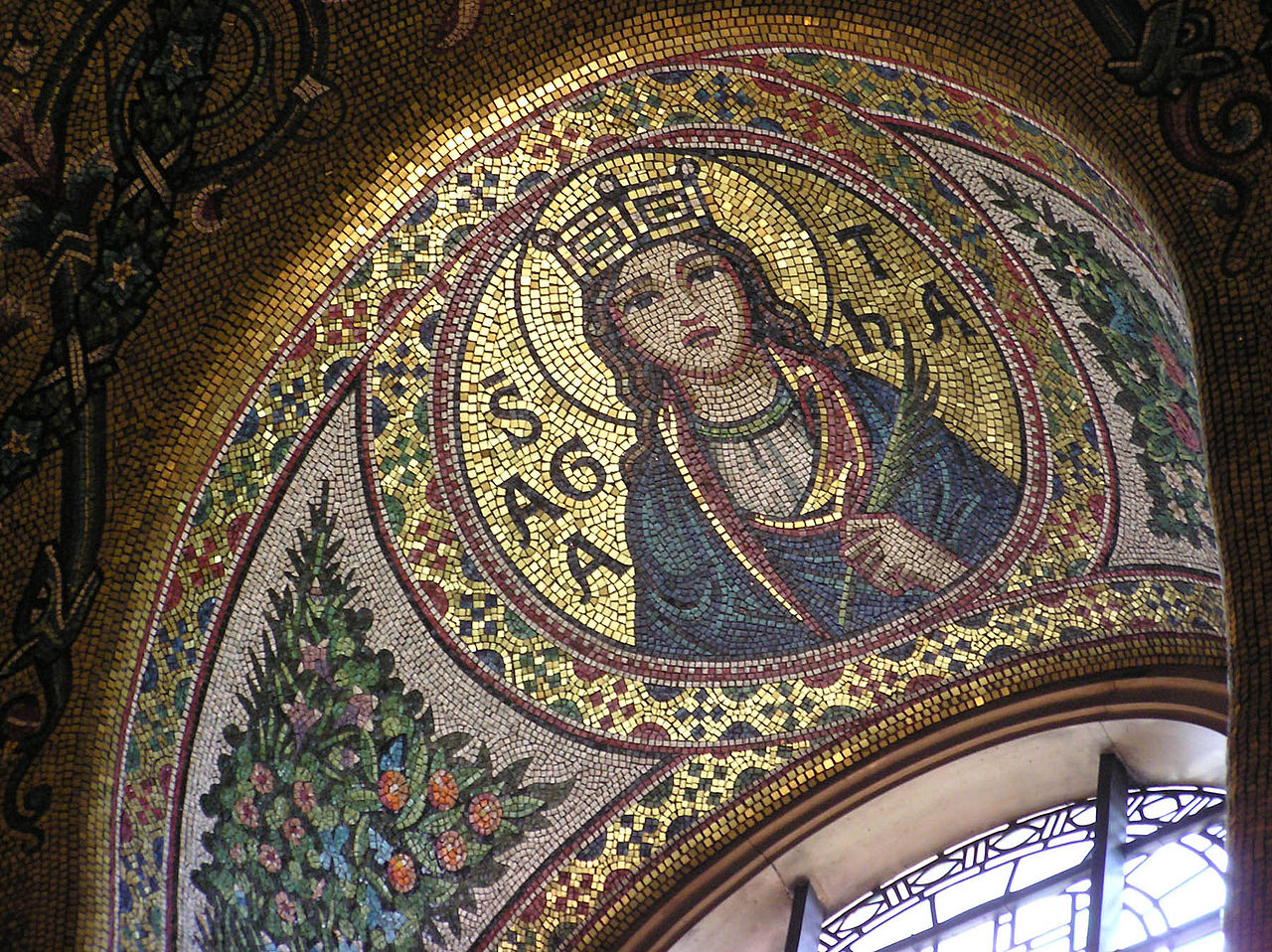
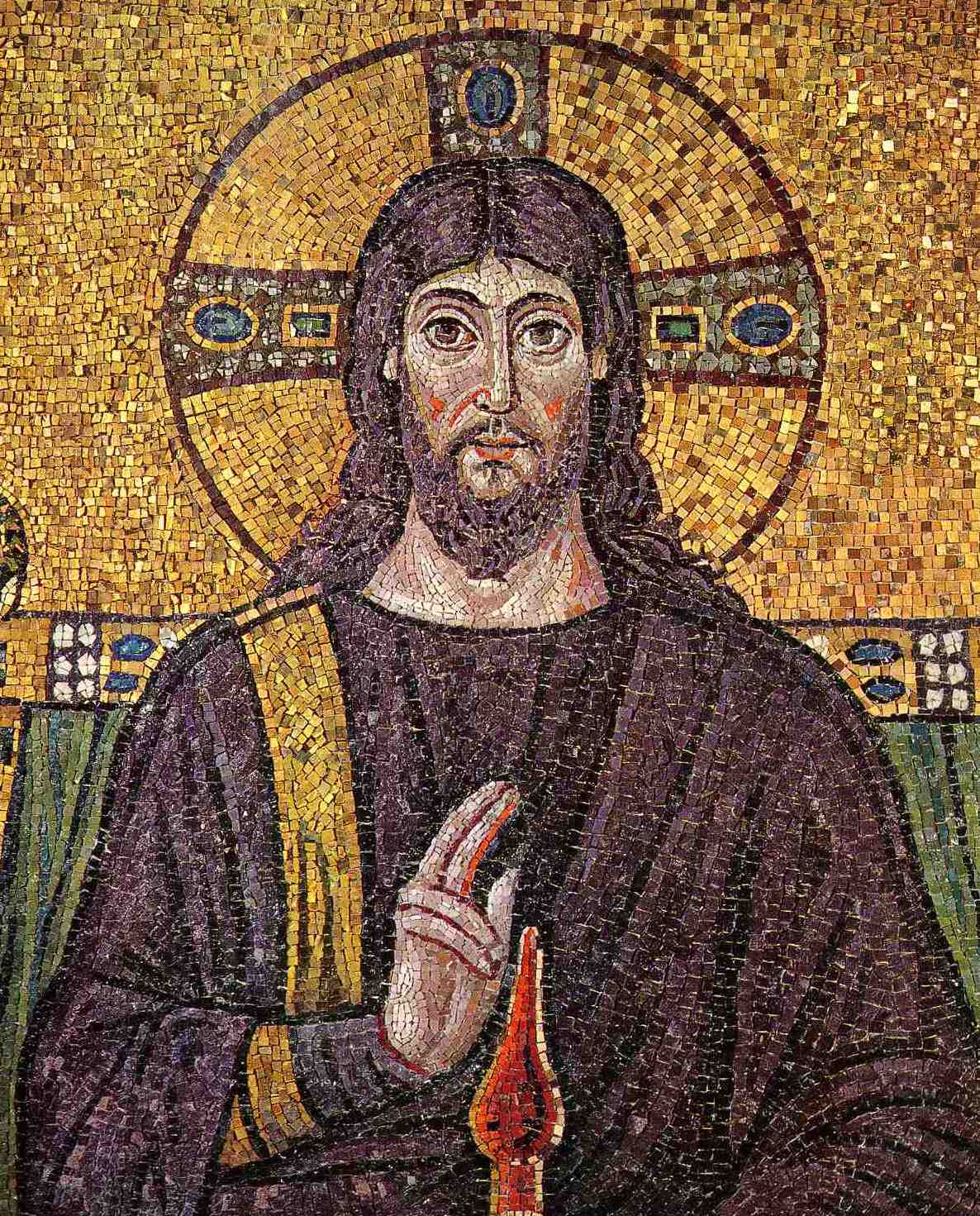
Mosaic is an art form and building craft in which small pieces of colored material are arranged to form images or patterns on a surface. These individual pieces, commonly called tesserae, can be made from stone, glass, ceramic, metal or other durable substances. Mosaics appear on floors, walls, ceilings and exterior pavements and range from simple geometric decorations to elaborate pictorial panels.
Image gallery
10 Images





Materials and techniques
Mosaics rely on a combination of tesserae, a supportive substrate, adhesive and grout. Glass tesserae known as smalti were widely used in Byzantine work for vivid color and light reflection, while natural stones provided subtle tones for Roman floors. Typical methods include the direct technique (placing tesserae directly on the final surface) and the indirect technique (assembling a panel off-site for later installation). Special variations such as opus vermiculatum and opus tessellatum describe particular Roman and Hellenistic laying patterns.
History and development
The mosaic tradition has deep roots in the ancient Near East and Mediterranean. It became highly developed among Greeks and Romans for both public and private buildings, then evolved into highly refined religious decoration in Byzantine churches. Later periods—Islamic, medieval European and modern—adapted mosaic vocabulary to different aesthetic and practical needs, including outdoor civic art in the 19th and 20th centuries.
Uses and examples
- Architectural ornamentation: floors, walls and domes in religious and secular buildings.
- Public art: pavements, murals and memorial panels in urban spaces.
- Functional decoration: swimming pools, countertops and furniture in contemporary design.
Conservation and notable distinctions
Mosaics are prized for durability but face risks from moisture, biological growth, freeze-thaw cycles and human wear. Conservation balances preserving original tesserae with compatible repair materials. Mosaics differ from inlay work and modern printed tiles by being composed of numerous individual pieces that create imagery through assembly rather than surface printing or singular carved elements.
For further reading on techniques and historical examples, consult specialized surveys of decorative arts and architecture or follow introductory resources linked from general art-history references.
Related articles
Author
AlegsaOnline.com Mosaic (decorative art) Leandro Alegsa
URL: https://en.alegsaonline.com/art/66819