
Tidal force: differential gravity and its effects
Tidal force is the difference in gravitational pull across an extended body. It shapes ocean tides, causes tidal locking and heating, and influences orbital evolution and planetary structure.
Overview
Tidal force is the variation in gravitational pull felt across the extent of an object caused by another mass. Rather than the overall attraction, tidal effects arise from differences in gravitational strength between the near side and far side of the body. These differences produce stretching and squeezing that are responsible for many natural phenomena, most familiarly oceanic tides.
Image gallery
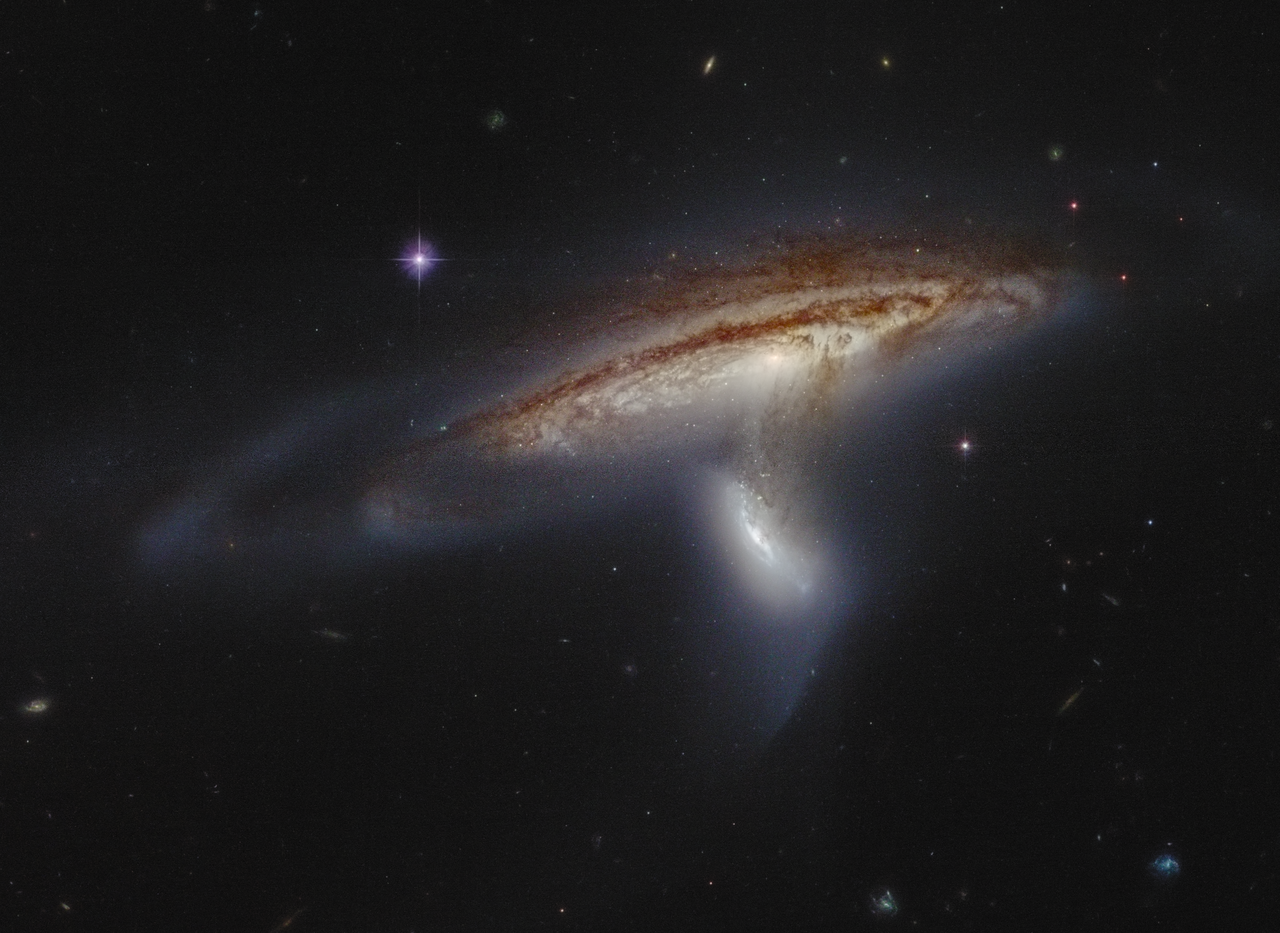
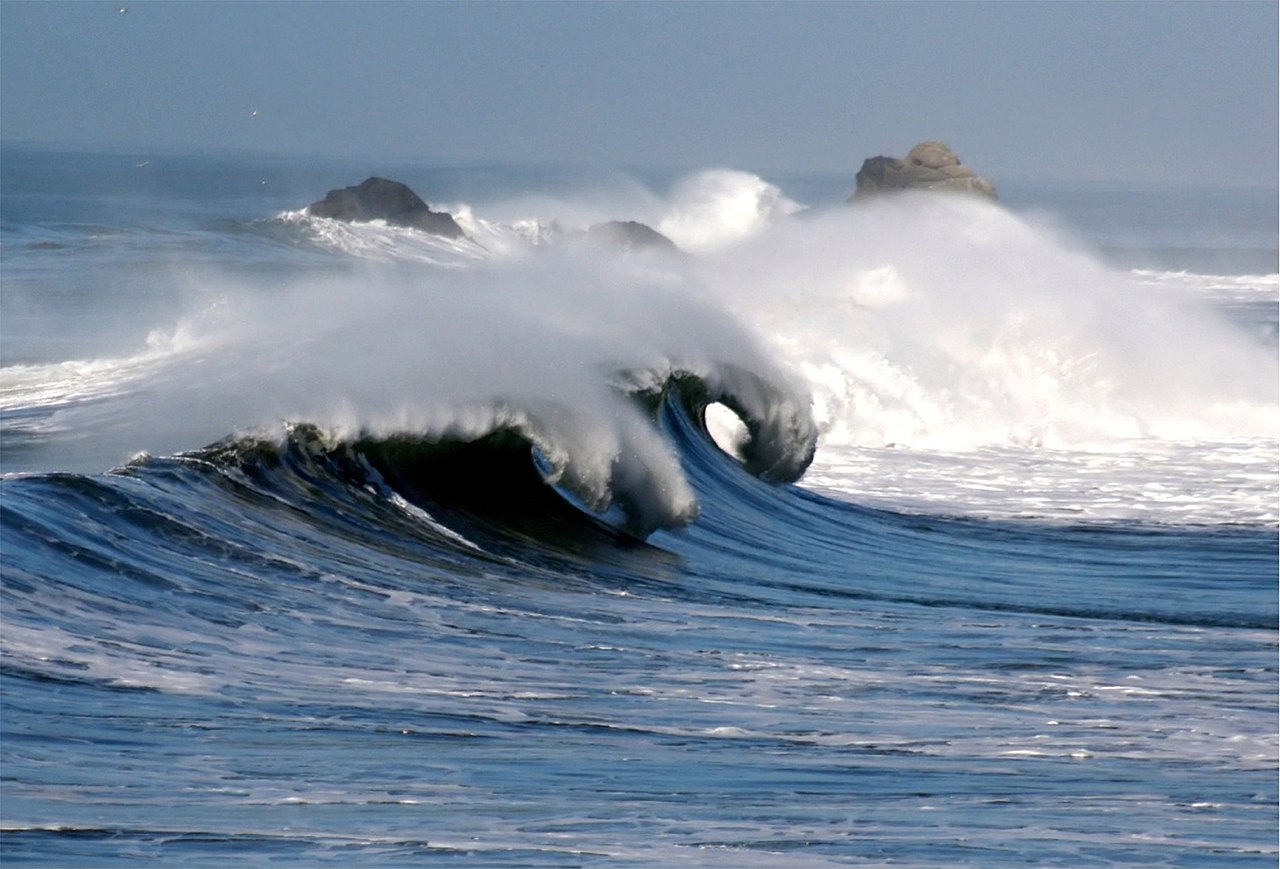
6 Images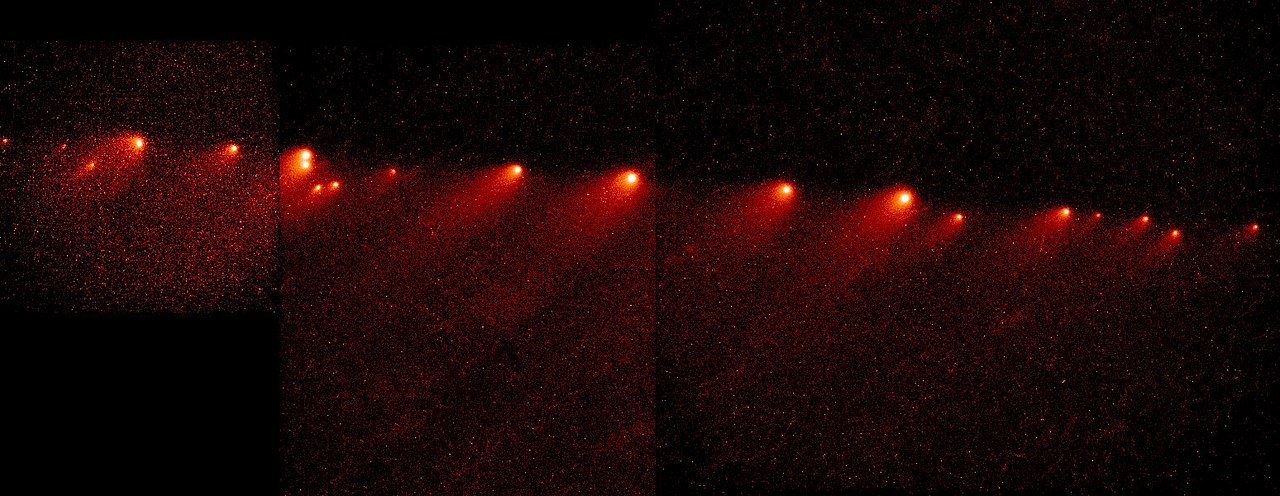



How tidal forces work
At a basic level the strength of the tidal effect falls off more rapidly with distance than the primary gravitational attraction: tidal acceleration scales roughly with the mass of the attracting body and the inverse cube of the separation. In a rotating reference frame (for example, the Earth–Moon system) centrifugal effects combine with the varying gravity to produce two tidal bulges. For a concise discussion of the underlying attraction see gravity and the changing gravitational field across a body's diameter.
Consequences and examples
- Ocean tides: periodic rises and falls of sea level driven mainly by the Moon and, to a lesser extent, the Sun; see tides.
- Tidal locking: bodies can rotate synchronously so the same face points toward the partner (the Moon is locked to Earth).
- Tidal heating: internal friction from changing tides can heat a moon or planet, powering volcanic activity (example: Jupiter's moon Io).
- Roche limit and disruption: if tidal forces exceed an object's self-gravity, it can break apart.
History and importance
Recognition of tidal effects is ancient, but a quantitative explanation emerged with Newtonian gravity, which linked tides to differential gravitational pull. Tidal interactions remain important in astrophysics and geophysics for understanding orbital evolution, the lengthening of Earth's day, and environments that affect habitability.
Distinctions and useful concepts
"Tidal force" is distinct from the total gravitational force: it denotes the spatial gradient of gravity. Models range from simple equilibrium tides to more complex dynamic and viscous responses that include resonance and friction. Appreciating the difference clarifies why tides vary by coastline, ocean depth, and celestial geometry.
Related articles
Author
AlegsaOnline.com Tidal force: differential gravity and its effects Leandro Alegsa
URL: https://en.alegsaonline.com/art/99796