
Thirty-Nine Articles of the Church of England
Historic doctrinal statements defining core Anglican positions on Scripture, sacraments, authority, and key controversies; produced in the 16th century and influential within Anglicanism.
Overview
The Thirty-Nine Articles are a historic set of doctrinal statements that summarize central theological positions associated with the Church of England. Composed in the context of the English Reformation, they were intended to clarify the Church of England's stance on contested matters of Christian belief and practice. They have never been presented as a complete systematic theology, but rather as a concise guide to the church's official teaching on a range of issues.
Image gallery
6 Images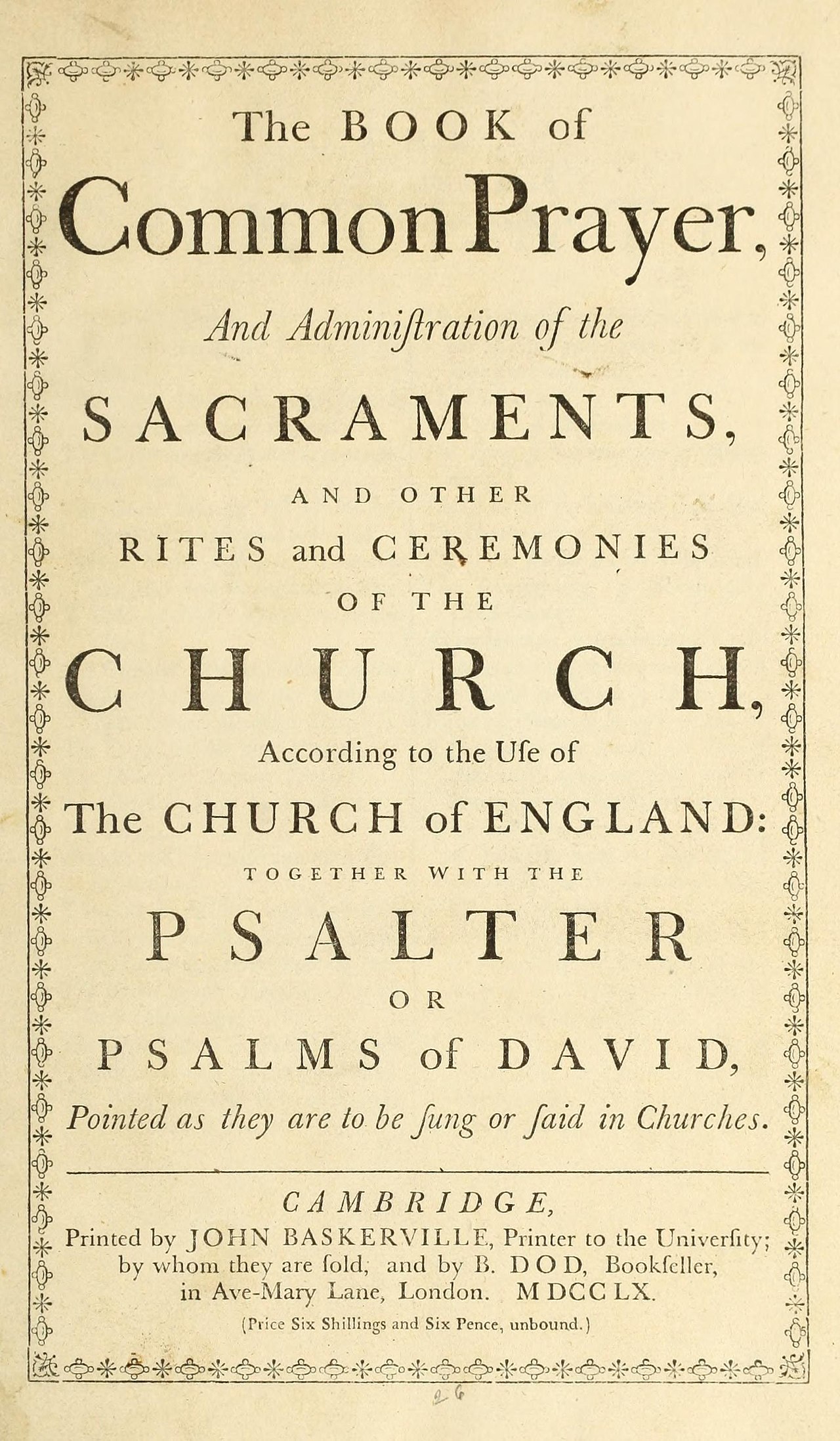



Contents and key themes
The Articles address doctrine, worship and church order. Major recurring themes include the authority of Scripture, the doctrine of justification by faith, the nature and number of the sacraments, and the rejection of certain medieval doctrines associated with the papacy and medieval scholasticism. A few representative emphases are:
- Scripture as the ultimate rule of faith and life.
- Justification by faith rather than by merit or works alone.
- Recognition of two primary sacraments ordained by Christ: Baptism and the Lord's Supper.
- Rejection of transubstantiation and certain sacramental theories prevalent in Roman Catholicism.
- Affirmations about predestination, the nature of the church, and clerical order.
History and development
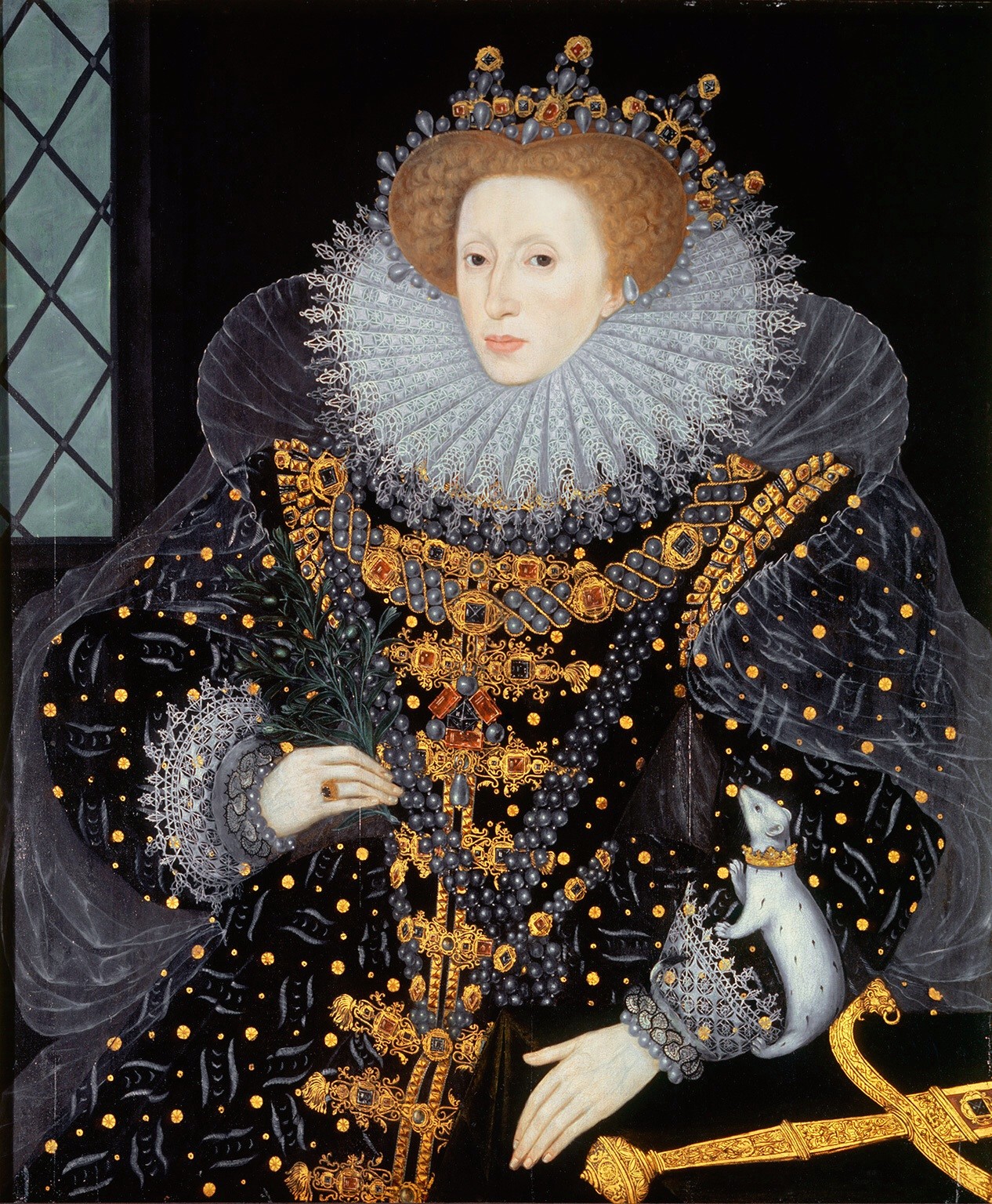
The Articles developed during the mid-16th century amid doctrinal disputes across Europe. Early drafts were prepared in the reigns of Henry VIII and Edward VI; a set of forty-two articles was produced in the 1550s. These were later revised and reduced to thirty-nine during the reign of Elizabeth I, when the statements took on their more familiar form. The process involved bishops, theologians and royal authority, and the resulting document reflected a deliberate effort to distinguish the new national church from both Roman Catholic and some continental Protestant positions.
Role and use
Historically the Articles served as a test of conformity for clergy and a reference for preaching and instruction. They were commonly printed with the Prayer Book and used in theological education. Over time, the Articles' authoritative weight has varied among Anglican provinces: some have regarded them as binding formularies, while others treat them as a historical summary of doctrine with persuasive rather than coercive force. They remain an important reference for studies of Anglican identity and history.
Distinctive features and influence
The Thirty-Nine Articles occupy a middle position between Roman Catholic and more radical Protestant teachings, which contributed to the characteristic breadth of Anglicanism. They served as a touchstone in debates about church order, liturgy and doctrine for several centuries and influenced later Anglican statements and confessions. Because they were concise and practical rather than exhaustive, pastors and theologians have long interpreted them in varying ways.
For further historical and textual introductions, see the historic statements collected as historic statements and references to Anglican beliefs in broader surveys such as Anglican beliefs. General background on Christianity and Reformation-era context is useful; consult summaries under Christian faith and resources about the Church of England at Church of England. Comparative discussions that contrast the Articles with continental Protestant confessions and Roman Catholic doctrine are widely available; for an overview see comparative references.
Questions and answers
Q: What are the Thirty-Nine Articles?
A: The Thirty-Nine Articles are historic statements of Anglican beliefs.
Q: Were the Thirty-Nine Articles meant to be a complete statement of the Christian faith?
A: No, the Articles were not meant to be a complete statement of the Christian faith.
Q: What is the purpose of the Thirty-Nine Articles?
A: The purpose of the Thirty-Nine Articles is to state the position of the Church of England against the Roman Catholic Church and against Protestants.
Q: Are the Thirty-Nine Articles exclusively against the Roman Catholic Church?
A: No, the Thirty-Nine Articles are against both the Roman Catholic Church and Protestants.
Q: Whose beliefs do the Thirty-Nine Articles represent?
A: The Thirty-Nine Articles represent Anglican beliefs.
Q: What is the significance of the Thirty-Nine Articles?
A: The Thirty-Nine Articles represent an important historical document in the context of the Anglican Church.
Q: Can the Thirty-Nine Articles be used as a guide for Christian beliefs?
A: While they are an important historical document, the Thirty-Nine Articles were not meant to be a complete statement of the Christian faith and should not be used as a guide for Christian beliefs.
Related articles
Author
AlegsaOnline.com Thirty-Nine Articles of the Church of England Leandro Alegsa
URL: https://en.alegsaonline.com/art/99422