
Three Jewels (Triple Gem) in Buddhism
The Three Jewels—Buddha, Dharma, Sangha—are the central objects of refuge in Buddhism. This article explains their meanings, historical development, ritual role, variations across traditions, and practical importance.
The term Three Jewels (also called the Triple Gem or Three Refuges) names the three focal points in which Buddhists take refuge: the Buddha, the Dharma, and the Sangha. Taking refuge is both a daily devotional practice and the formal statement that marks entry into the Buddhist path. The Three Jewels serve as anchors for faith, study, and ethical conduct across different schools of Buddhism.
Image gallery
10 Images

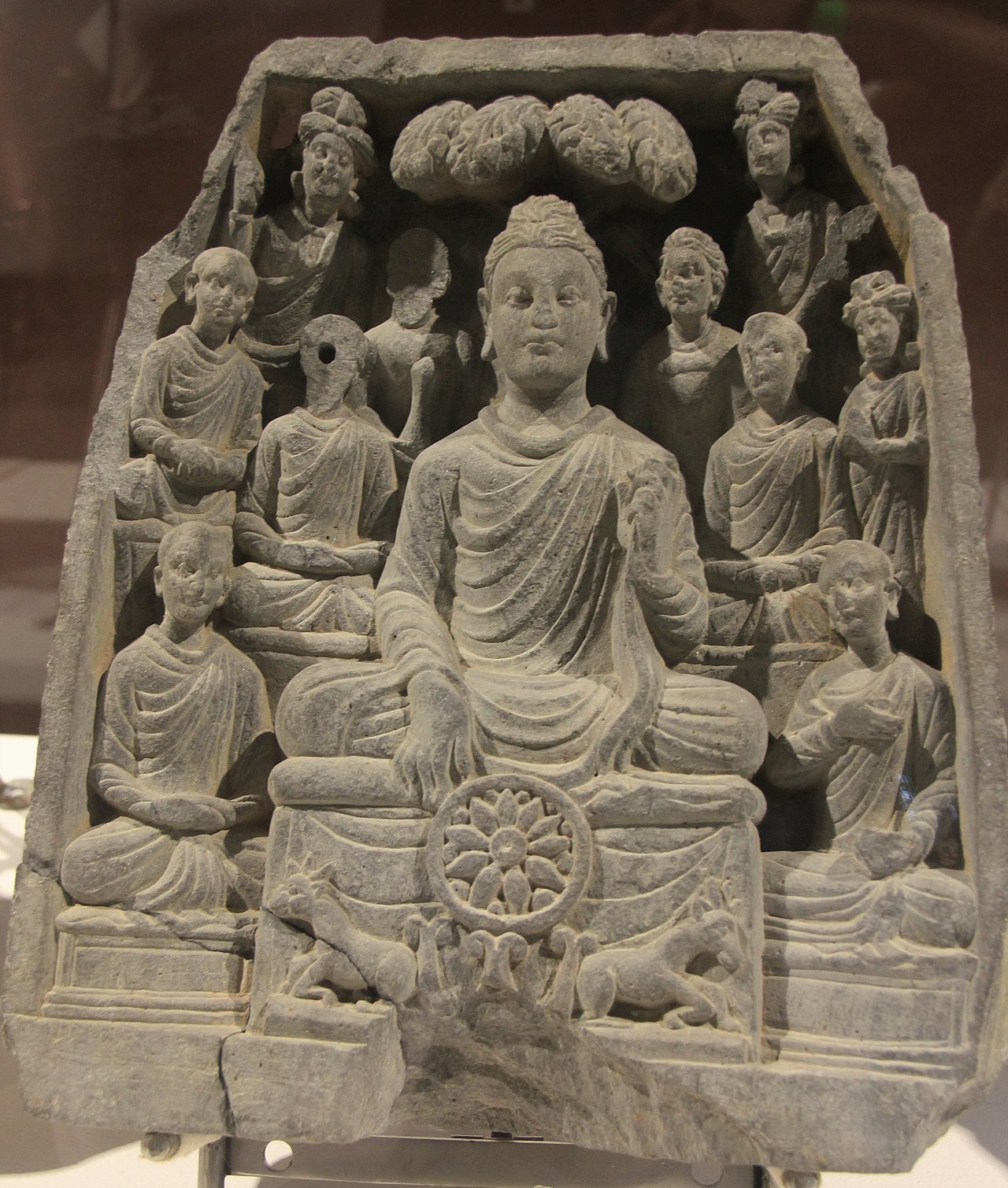

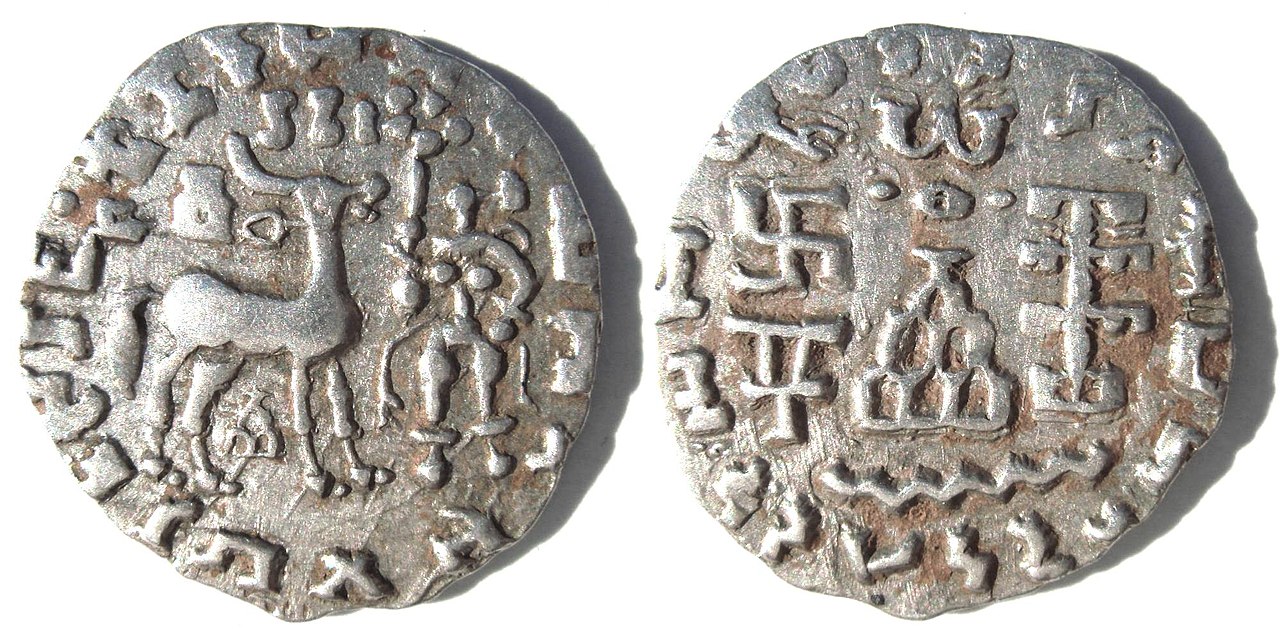


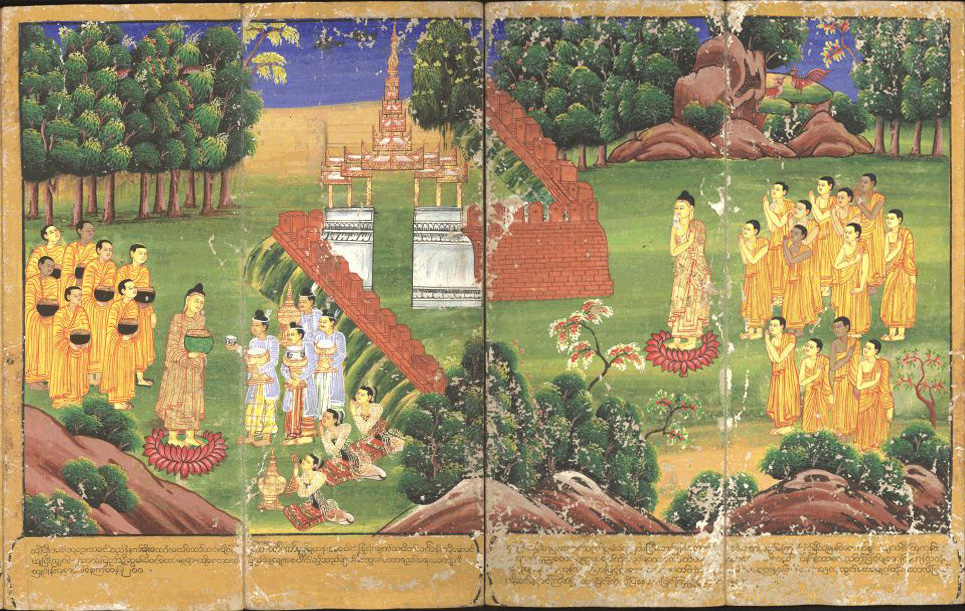

What the Three Jewels represent
Each Jewel points to a distinct dimension of the tradition:
- Buddha — the awakened teacher or the ideal of awakening available to all;
- Dharma — the teachings, doctrines, and methods that lead to liberation;
- Sangha — the community of practitioners who preserve and embody the practice.
Historical development
The Three Jewels emerged early in Buddhist history and appear prominently in the canonical texts and liturgy of both the Theravada and Mahayana traditions. Over centuries the interpretation of each term broadened: for example, Sangha in some contexts denotes monastic orders, while in others it refers to the community of awakened or ethically committed practitioners.
Practice and significance
Reciting the refuges is a common element of daily devotion, ordination ceremonies, and formal conversion. Taking refuge is understood as committing oneself to the path outlined by the teachings and to relying on the community for guidance and support. It also functions as a concise expression of Buddhist identity and orientation.
Variations and notable points
Different schools place different emphasis on the Jewels: Mahayana traditions may stress the ideal of the bodhisattva and devotion to lineage teachers, while Vajrayana practices sometimes pair the Three Jewels with the Three Roots or additional ritual refuges. Regardless of variation, the Three Jewels remain central as ethical compass, pedagogical framework, and living tradition.
Related articles
Author
AlegsaOnline.com Three Jewels (Triple Gem) in Buddhism Leandro Alegsa
URL: https://en.alegsaonline.com/art/99643