
Theogony: Hesiod's Account of the Origins and Genealogy of the Gods
Ancient Greek epic poem by Hesiod describing the origins and family tree of the gods; an early cosmogony that organized mythic traditions and influenced classical literature and religion.
Overview
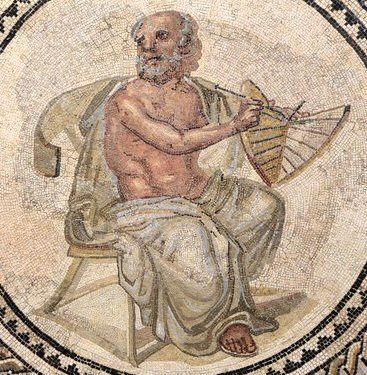
Theogony (literally the "birth of the gods") is a didactic epic traditionally attributed to the poet Hesiod. Composed in the Greek Epic dialect used by Homer, it dates to roughly the late eighth or early seventh century BCE and stands alongside the Iliad and Odyssey as one of the oldest literary sources for Greek mythology. The poem systematically recounts origins, genealogies, and the rise to power of the principal divine figures known in the Greek world.
Image gallery
10 Images




Structure and principal contents
The work is organized as a long genealogical narrative that begins with primeval conditions and proceeds through successive generations of divine beings. It functions both as mythic history and as a catalogue of relationships that explain why particular gods hold certain roles or receive specific honors. Key episodes include the emergence of primal entities, the succession of gods, and the establishment of Zeus and the Olympian order.
- Primal beings: the poem opens with elements such as Chaos, Gaia (Earth), Tartarus and Eros, which set the stage for later births.
- Primordial offspring: Uranus (Sky) and the birth of the Titans, Cyclopes, and Hecatoncheires.
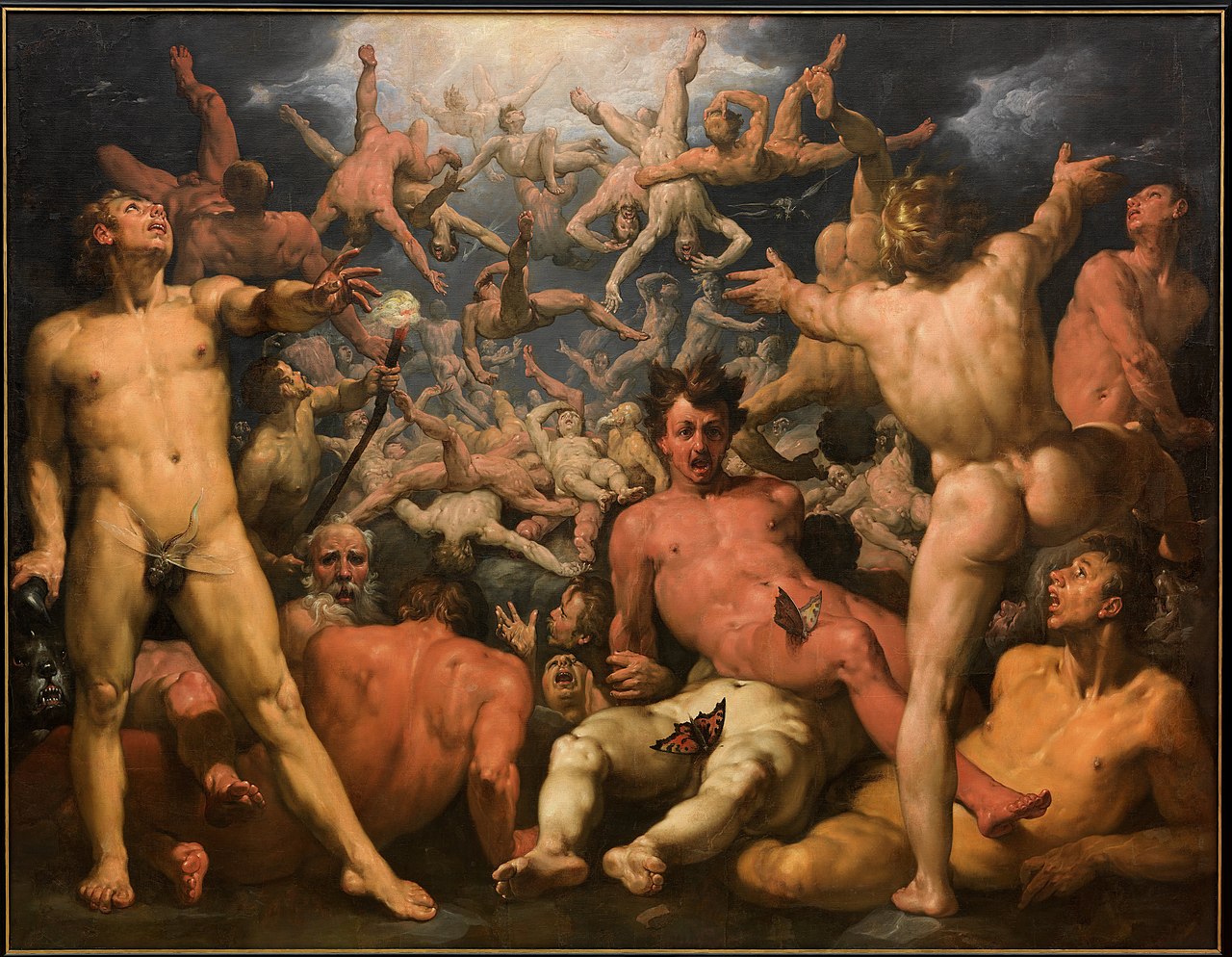
- Succession myths: the rise of Cronus and his overthrow by his son Zeus, including the castration of Uranus and the Titanomachy.
- Later acts: myths of Prometheus, the origin of Pandora, and the distribution of human conditions and ritual practices.
Themes and literary character
The cosmogony presented in the poem emphasizes order emerging from disorder, legitimacy established by genealogical succession, and the lawful supremacy of Zeus. Hesiod arranges often-local traditions into a single narrative frame, explaining divine power, the origins of cultic rites, and social norms. Written in dactylic hexameter, the poem mixes genealogical enumeration with vivid episodic storytelling and moralizing commentary.
Historical transmission and reception
Although attributed to a single poet, the material in the poem synthesizes a variety of regional myths that circulated in oral and written forms. Surviving copies reached us through a chain of medieval manuscripts and scholia; the study of its manuscript tradition helped classical scholars establish the text used today. From antiquity onward, the work was a primary source for later poets, philosophers, and educators who drew on its genealogies and images.
Importance and legacy
Theogony remains central for understanding ancient Greek religion and mythic thought: it provides a coherent picture of divine relationships, supplies origin-stories for natural and social phenomena, and influenced art, drama, and philosophical reflection about the cosmos. Modern readers consult it both as a literary achievement in early epic poetry and as a foundational document for the study of myth and ancient belief.
Further reading
For introductions and translations see standard commentaries and editions that situate the poem in its cultural and poetic context. Scholarly work explores its composite origins, comparative motifs, and later reception in Hellenistic and Roman literature.
Related articles
Author
AlegsaOnline.com Theogony: Hesiod's Account of the Origins and Genealogy of the Gods Leandro Alegsa
URL: https://en.alegsaonline.com/art/99253
Sources
- simple.wikisource.org : Theogony (Greek)
- en.wikisource.org : Theogony