
Thetis: Greek sea nymph, mother of Achilles
Thetis, one of the Nereids in Greek mythology, is a prophetic, shape-changing sea-nymph best known as the wife of Peleus and mother of Achilles; she figures in myths about fate, divine marriage, and the Trojan War.
Overview
Thetis is a prominent sea-nymph in Greek mythology, commonly identified in ancient sources by the Greek name Θέτις. She is counted among the Nereids, the fifty daughters of the sea-god Nereus and the oceanid Doris. As a figure connected to the sea, Thetis combines a domestic role in myth—wife and mother—with supernatural traits such as prophecy and metamorphosis.
Image gallery
10 Images



Family, marriage, and origins
Classical tradition presents Thetis as the daughter of Nereus and Doris and one of the chorus of Nereids who attend the gods and sailors. Zeus and Poseidon were said at one point to have desired her, but a prophecy that her son would surpass his father led the gods to arrange her marriage to the mortal hero Peleus. Their union is important in mythic genealogy because it produced the great warrior Achilles.
Myths and powers
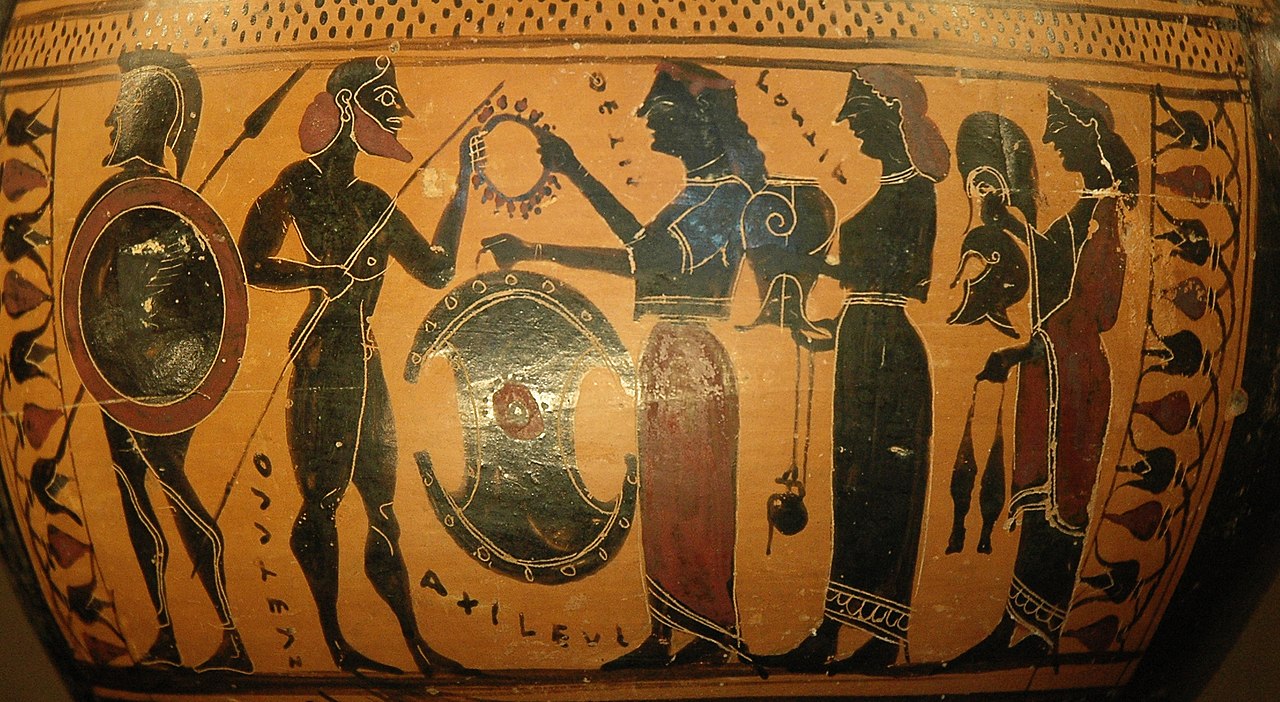
Thetis is frequently portrayed with two distinctive supernatural gifts: the ability to foretell the future and to change her shape at will. Many stories illustrate these powers. In one well-known episode, the sea-nymph transformed into various animals and elements while her mortal suitor clung to her until she relented and accepted marriage. In other traditions she takes measures to protect her son—some later tales describe attempts to render him immortal or invulnerable, and Homeric narrative shows her pleading with the gods on his behalf.
Role in the Trojan cycle and notable episodes
Thetis appears at key moments of the Trojan saga. Her wedding to Peleus is the backdrop for the famous discord sown by Eris, an event that set in motion the chain leading to the Trojan War. In Homer's Iliad she is the grieving and intervening mother of Achilles, asking the god Hephaestus to forge new armor for him and receiving divine consolation. Her actions bridge mortal combat and divine intervention, underlining themes of fate, honor, and parentage.
Iconography, distinctions, and legacy
In ancient art Thetis is usually depicted as a graceful sea-nymph emerging from waves, often attended by other Nereids or marine creatures. She is conceptually distinct from Oceanids and major sea-deities: Nereids like Thetis are daughters of Nereus and associated with the Mediterranean shore rather than the cosmic Oceanus. Over centuries Thetis has inspired vase-painting, sculpture, Roman poets, Renaissance artists, and modern literature—her image remains a touchstone for themes of maternal protection, metamorphosis, and the uneasy alliance of gods and humans.
Characteristics and cultural notes
- Attributes: prophetic insight and the power of metamorphosis.
- Mythic roles: wife of Peleus, mother and protector of Achilles.
- Artistic motif: sea-born nymph attended by waves, dolphins, or fellow Nereids.
- Later tradition: associated with the idea that Achilles had a single vulnerable spot—commonly called an "Achilles' heel"—though accounts differ on how this vulnerability arose.
For further reading in primary and secondary sources, consult introductions to Homeric epic and collections of Greek myth, which explore Thetis' many guises and her lasting influence on Western storytelling.
Related articles
Author
AlegsaOnline.com Thetis: Greek sea nymph, mother of Achilles Leandro Alegsa
URL: https://en.alegsaonline.com/art/99337