
Thrud (Þrúðr) — little-attested Norse figure of strength
Thrud (Old Norse Þrúðr) is a sparsely attested figure in Norse myth, named as a daughter of Thor and listed among valkyries. Her name means "strength" and scholars treat her as a personification of power.
Overview
Thrud, rendered in Old Norse as Þrúðr and sometimes anglicized Thrúd or Thrud, appears briefly in medieval Norse sources. She is identified in the Prose Edda as a daughter of the gods Sif and Thor, and a name "Thrúðr" is also included among the list of valkyries in the Poetic Edda poem Grímnismál. Beyond these terse mentions she leaves little trace; most surviving material offers no detailed myth, attributes, or narratives attached to her.
Image gallery
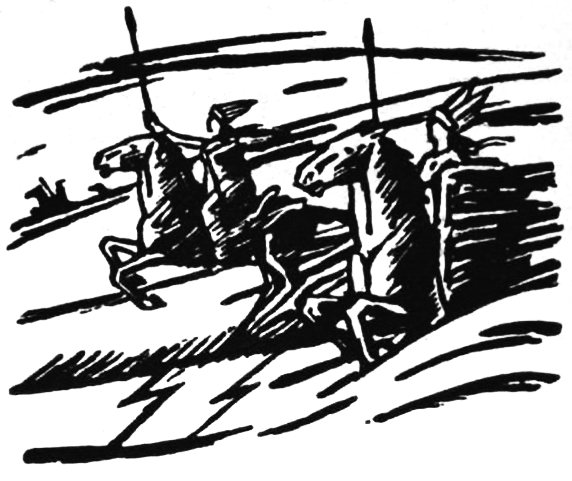
3 Images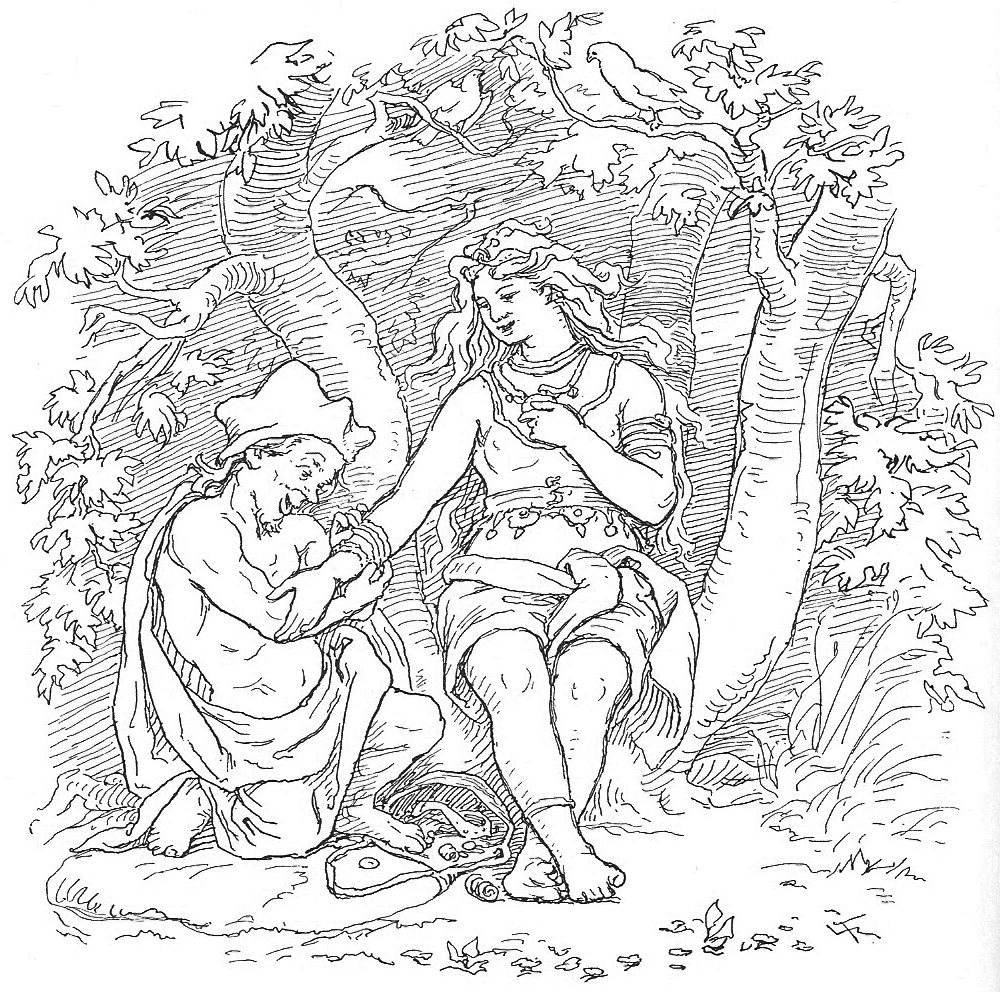

Name, meaning and etymology
The personal name Þrúðr literally means "strength" or "power" in Old Norse and is cognate with Germanic words for might. Because the name is a clear abstract noun, many scholars read Þrúðr as a personification of strength rather than a fully developed goddess with a distinct cult. Modern summaries sometimes describe her as a goddess of power or associate her with natural growth — for example, with trees, flowers and grass — but these latter attributions are not established in the principal medieval texts and should be treated cautiously.
Attestations
- Prose Edda (Skáldskaparmál): named as a daughter of Thor and Sif, with no further story or descriptive detail.
- Poetic Edda (Grímnismál): appears in a catalog of valkyrie names, where Þrúðr is one of several figures listed.
Interpretation and significance
Because the evidence is limited, Þrúðr is often discussed in studies of naming conventions, kennings, and the personification of qualities in Germanic myth. The overlap of a divine genealogy entry and a valkyrie list has led to scholarly debate: are these two separate traditions that happen to share a name, or does the sparsity of the record reflect a single figure with multiple roles? Many commentators favor a cautious view that Þrúðr represents the abstract idea of strength connected to Thor's household rather than a widely worshipped independent deity.
Modern reception and notable facts
Þrúðr has inspired occasional use in modern literature, artistic works, and as a personal name, often emphasizing martial or vigorous qualities associated with her name. Because the medieval testimony is so brief, she is a useful example of how much of Norse myth survives in fragmentary form and how later interpretations can expand on sparse originals.
Further reading
Readers who want to explore primary text occurrences can refer to editions and translations of the Norse myth collections and scholarly commentaries on the Eddas. For summaries aimed at general audiences, introductory works on the gods of the Norse tradition discuss Þrúðr in connection with Thor's family and the phenomenon of valkyrie lists.
Related articles
Author
AlegsaOnline.com Thrud (Þrúðr) — little-attested Norse figure of strength Leandro Alegsa
URL: https://en.alegsaonline.com/art/99684