
The Wind in the Willows
A classic 1908 children's novel by Kenneth Grahame about four anthropomorphic animals and their adventures in the English countryside, notable for its pastoral style and themes of friendship and home.
The Wind in the Willows is a children's novel first published in 1908. It follows the lives and exploits of several anthropomorphic animals who live beside an English river. The book combines adventure, gentle comedy and lyrical descriptions of nature to explore friendship, responsibility and nostalgia for rural life. For background and editions see The Wind in the Willows.
Image gallery
4 Images

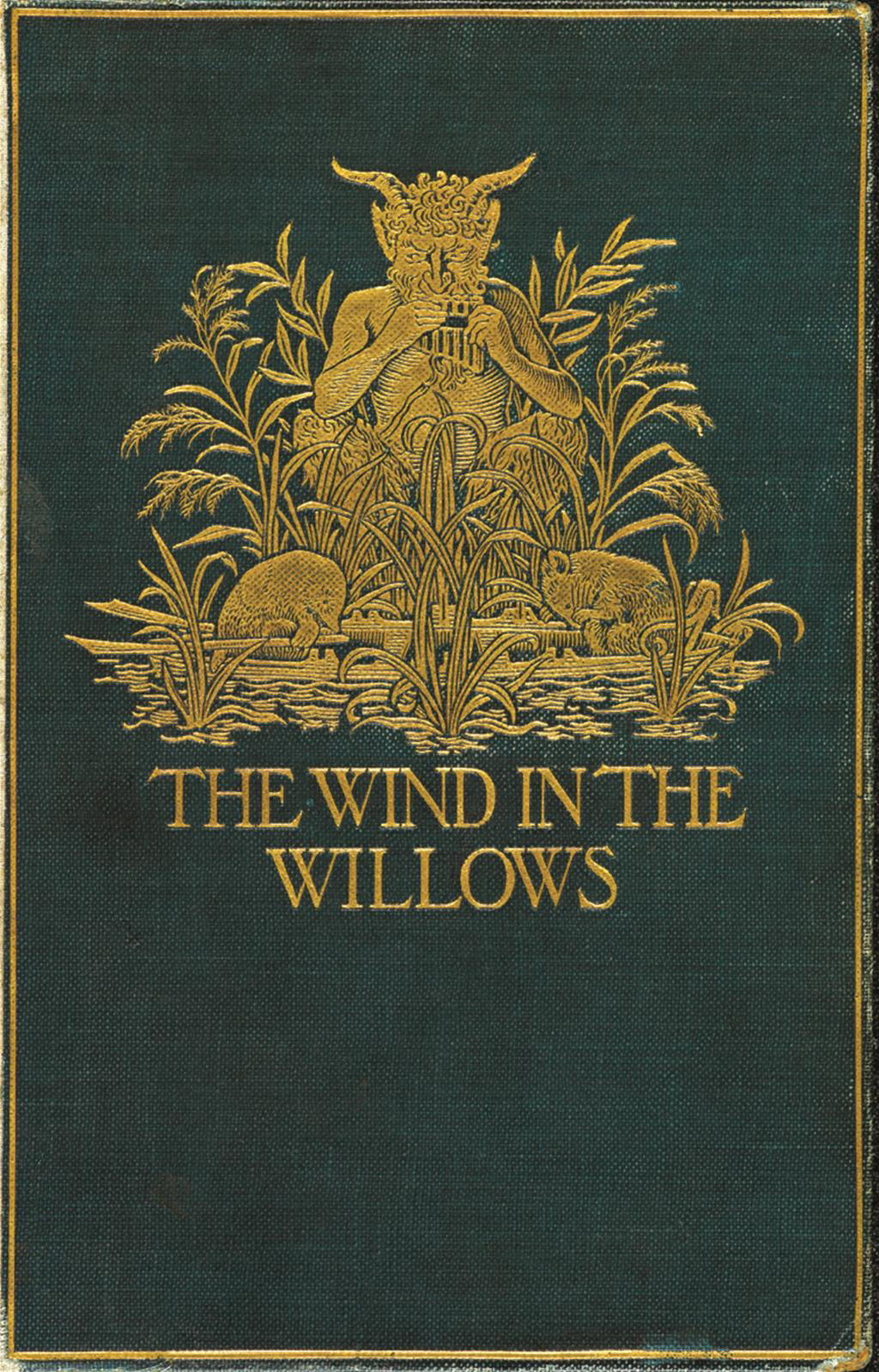

Main characters and structure
The narrative centers on four friends: the shy Mole, the water-loving Rat (often called Ratty), the reclusive Badger, and the impulsive Toad. Their personalities drive episodic adventures that include boating, house visits, reckless motoring, and a crisis of homecoming. The setting is an idealized English landscape—often called the English countryside—which plays a near-character role in the book.
Style and themes
Grahame's prose shifts between warm conversational scenes and richly observed pastoral passages. Major themes include the value of community, the tension between wanderlust and domestic comfort, and the restorative quality of nature. The story mixes gentle moral lessons with comic episodes, especially those concerning Toad's follies.
Origins and author
Written by the Scottish author Kenneth Grahame, the book grew from stories he told his son and from earlier magazine pieces. Grahame's background, including a career in banking and an interest in the countryside, influenced the tone and concerns of the work. His nationality is noted in discussions of literary context; see summaries under Scottish literature where relevant.
Adaptations and influence
The novel has inspired stage plays, films, radio dramatizations and illustrations. Its memorable characters and scenes continue to appear in adaptations for children and adults, and the book is frequently cited in studies of children's literature and pastoral writing. For further resources and editions consult this reference or specialized archives linked from related material.
Notable facts
- Though aimed at young readers, the book appeals to adults for its mood and craftsmanship.
- Its episodic form blends short adventures with a coherent sense of place.
- Scholars often discuss its balance of humor and moral reflection; see commentary at selected studies and collections at archives.
- Further reading and editions are available via library guides and publisher notes (regional resources).
Related articles
Author
AlegsaOnline.com The Wind in the Willows Leandro Alegsa
URL: https://en.alegsaonline.com/art/99123