
Kenneth Grahame
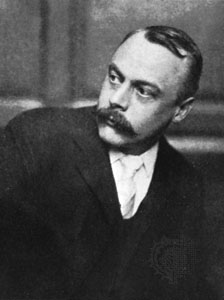
Scottish-born author (1859–1932) best known for The Wind in the Willows (1908). A former bank employee, he wrote nostalgic, pastoral and anthropomorphic tales including The Reluctant Dragon.
Overview
Kenneth Grahame (8 March 1859 – 6 July 1932) was a Scottish-born writer whose short but influential body of work is best known for The Wind in the Willows (1908). Combining pastoral description, comic incident and elegiac nostalgia, his fiction appealed to both children and adults and helped shape modern expectations of anthropomorphic storytelling. For concise biographical summaries and general reference material see overview sources.
Image gallery
5 Images


Life and career
Grahame was born in Edinburgh and spent much of his working life in London, where he was employed by the Bank of England. He rose through the ranks of the bank and retired in 1908, which allowed him greater time for writing. The rhythms of city employment and the riverine countryside he visited informed much of his nostalgic, river-bank prose. Biographical details of his early life are collected in several reference entries at Edinburgh and early life resources.
In 1899 Grahame married Elspeth Thomson; their only child, Alastair, was born in 1900. Alastair suffered persistent health and emotional difficulties and died by suicide in 1920, a tragedy that had a profound effect on Grahame and his later years. For accounts relating to family life and its consequences see family references. Grahame spent his later life in Pangbourne in Berkshire and died there on 6 July 1932; local and death notices are noted at Pangbourne material.
Major works
Grahame's published output was compact but enduring. His principal works include several collections of reminiscences and stories that mix memory and imagination. Key titles are listed below; fuller study guides and editions are available at specialist pages such as The Wind in the Willows page and short-story notes at The Reluctant Dragon reference.
- The Golden Age (1895) — A series of essays and vignettes that recall childhood play with affectionate satire.
- Dream Days (1898) — A collection of stories and essays, including the well-known piece "The Reluctant Dragon" which blends whimsy and gentle humour.
- The Wind in the Willows (1908) — Grahame's best-known work, tracing the adventures of Mole, Rat (the Water Rat), Badger and the impetuous Mr. Toad along a pastoral riverbank; a text notable for its alternation of bucolic description and comic set pieces.
Themes and style
Grahame's writing is characterised by a lyrical fondness for the natural world, a sympathetic interest in friendship and a wry, often ironic sense of human foible. His anthropomorphic characters are used to explore personality and manners rather than to deliver moral didacticism. The Wind in the Willows in particular balances contemplative celebration of seasons and riverside life with episodes of farce and adventure, producing a tone that many readers find simultaneously childlike and deeply adult.
Adaptations and cultural legacy
Grahame's stories have been adapted many times for stage, radio, film and television. The Mr. Toad episodes and episodes inspired by the river adventures have proved especially durable. Walt Disney incorporated a Mr. Toad segment in its 1949 anthology film The Adventures of Ichabod and Mr. Toad, and Disney also produced a 1941 feature around "The Reluctant Dragon" that combined studio sequences with the story proper; see adaptation notes at 1949 film adaptation and 1941 film.
Beyond direct adaptations, Grahame's work helped establish a tone for 20th-century British children's literature that emphasises atmosphere, the emotional life of childhood and the imaginative possibilities of animals as stand-ins for human traits. His influence is evident in the continued staging and retelling of The Wind in the Willows and in the persistent presence of its characters in popular culture.
Reception and influence
Contemporary reviewers often praised Grahame's prose and nostalgic sensibility, and subsequent generations have continued to rediscover his work through new illustrated editions and performances. Critics debate the balance between the book's pastoral idealism and hints of social and psychological depth, but most agree on Grahame's skill as a stylist and storyteller. For general commentary on his place in children's literature see reference summaries at children's literature resources.
Selected bibliography
- The Golden Age (1895)
- Dream Days (1898) — contains "The Reluctant Dragon"
- The Wind in the Willows (1908)
For readers seeking further information there are numerous editions, annotated texts and critical studies available; library and publisher guides can be consulted via general sources such as biographical overviews and specialised pages like work-focused resources.
Related articles
Author
AlegsaOnline.com Kenneth Grahame Leandro Alegsa
URL: https://en.alegsaonline.com/art/52896
Sources
- britannica.com : "Kenneth Grahame | British author"
- kennethgrahamesociety.net : "Biography"