
The Winter's Tale: Shakespeare's late romance of jealousy, loss and redemption
A clear, concise guide to Shakespeare's The Winter's Tale: its plot, characters, themes, publication, performance history and notable staging traditions.
Overview
The Winter's Tale is a play by William Shakespeare usually placed among his late works. Scholars generally date its composition to the years around 1609–1611. The play appears in the First Folio (1623) and has been variously classified as a comedy, a romance and, by some critics, a "problem play" because of the stark tonal shift between its parts. It combines intense psychological conflict in the opening scenes with a pastoral, restorative conclusion set many years later.
Image gallery
10 Images






Plot and structure
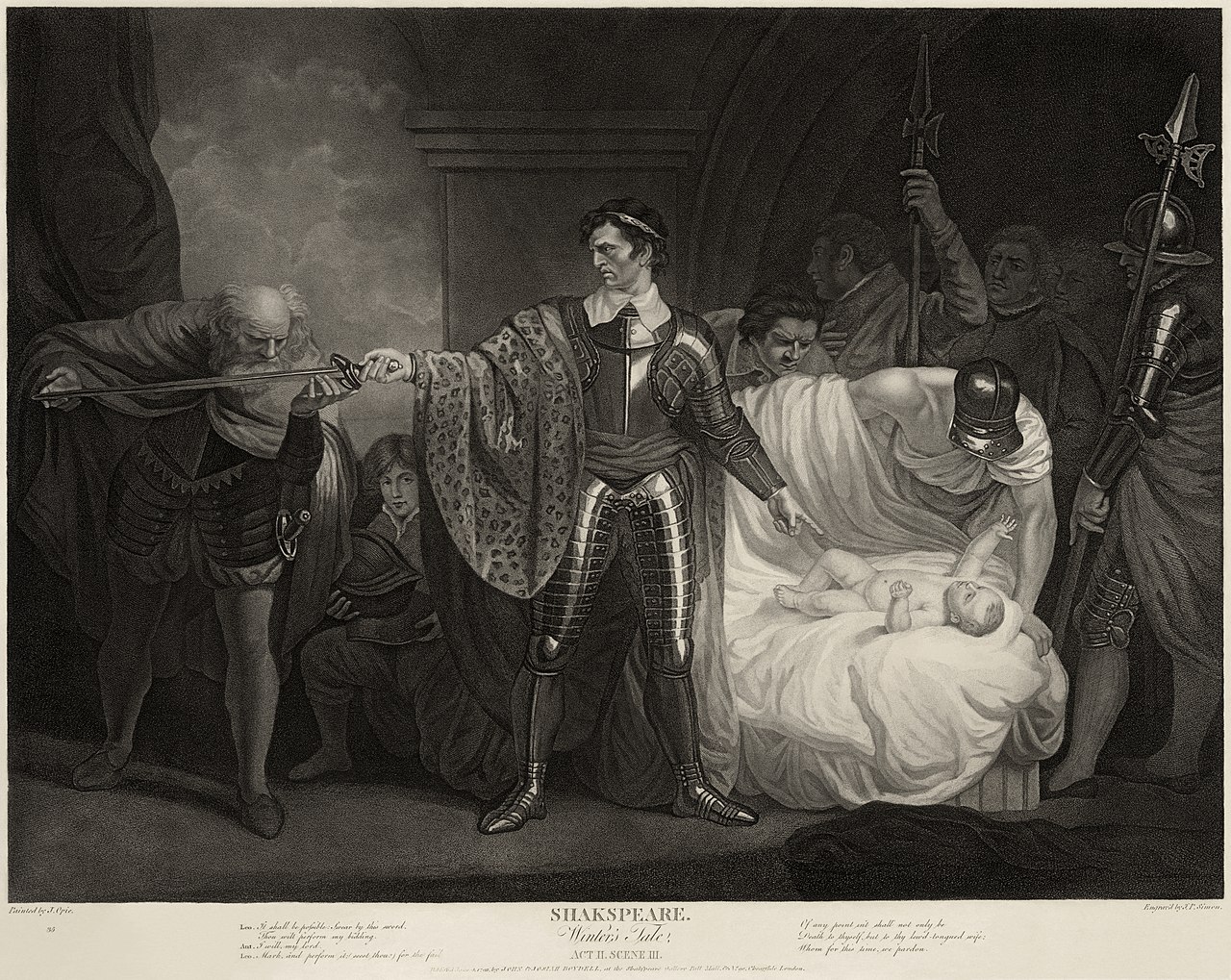
The action begins in the Sicilian court, where King Leontes becomes irrationally jealous of his friend King Polixenes of Bohemia and suspects an affair between Polixenes and Leontes's young queen, Hermione. Leontes's accusations set off a sequence of punishments and tragedies: Hermione is publicly disgraced, an infant daughter is abandoned, and a loyal courtier, Camillo, defects. A famous stage direction occurs during the early action: "Exit, pursued by a bear," marking a sudden, dramatic incident.
After a long lapse of time — often staged as sixteen years — the play moves to a pastoral Bohemian setting centered on Perdita, the abandoned daughter now raised as a shepherdess. The younger generation's romances, mistaken identities and reconciliations lead to a final reconciliation scene notable for its surprising theatrical conceit: a statue of Hermione that appears to come to life. The shift from court tragedy to rural comedy and finally to forgiveness and reunion is central to the play's design.
Major characters and features
- Leontes — King of Sicilia, whose jealousy drives the early plot.
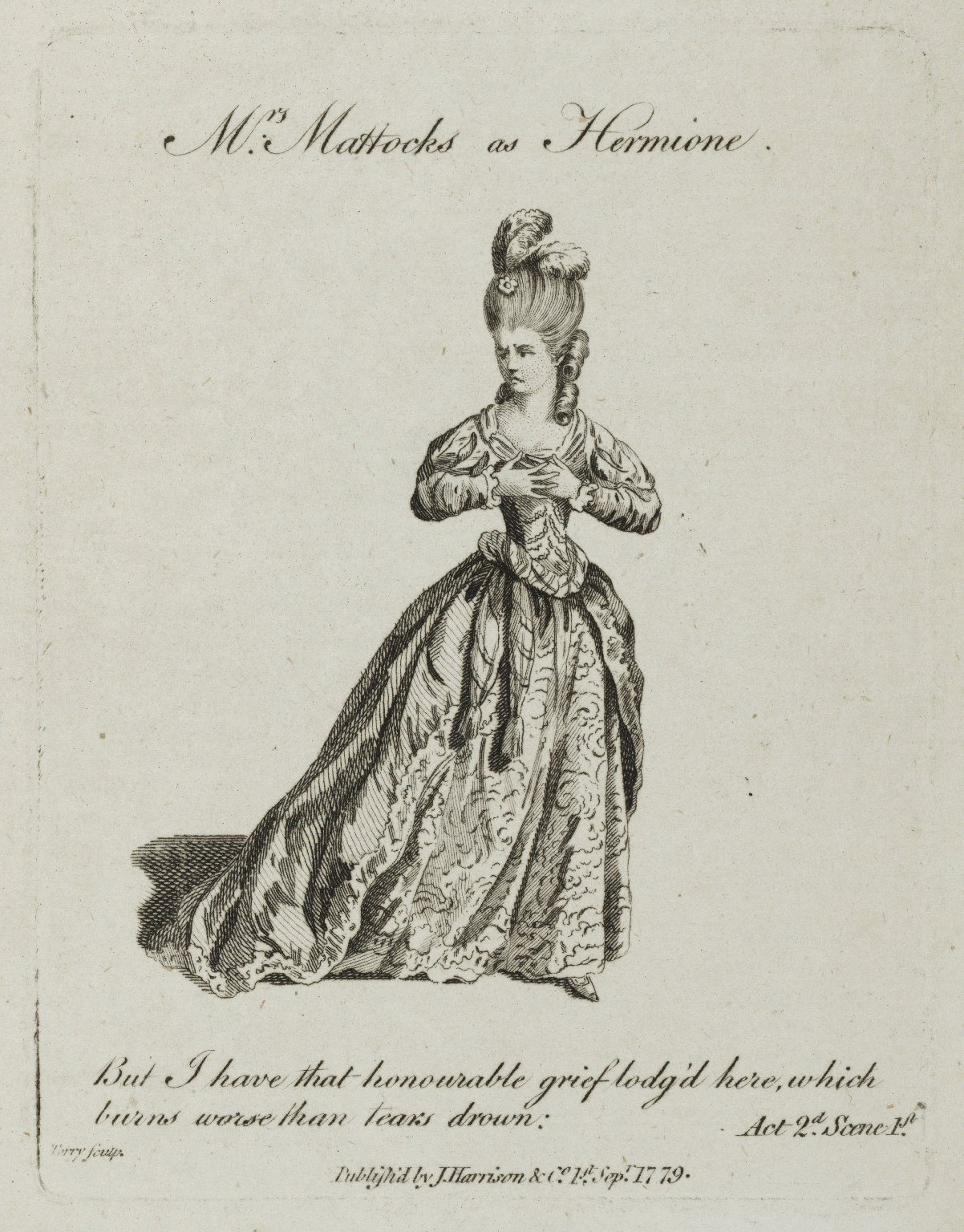
- Hermione — Leontes's queen, dignified and wronged.
- Polixenes — King of Bohemia and Leontes's former friend.
- Perdita — The abandoned daughter, raised as a shepherdess; central to the pastoral act.
- Florizel and Camillo — Figures who link the Sicilian and Bohemian strands.
- Paulina — A moral force in the play who champions Hermione.
History and performance
The play's survival in the First Folio ensured its availability to later generations, though its staging history has been uneven. In the 18th century David Garrick adapted the material into the popular version titled Florizel and Perdita, performed and published in the mid-1700s; Garrick's adaptation helped make the pastoral third act especially fashionable. During the 19th century the Perdita episodes were often extracted and staged independently as a pastoral entertainment. Only in the 20th century did full productions of the complete play regain regular currency, with modern directors exploring the play's complex tonal range.
Themes, interpretation and notable facts
The Winter's Tale explores jealousy, repentance, the passage of time and the possibility of restoration after wrongdoing. Critics who emphasize its early emotional intensity sometimes invoke psychological readings to account for Leontes's irrationality; others highlight its formal ties to medieval and early modern romance, with magic, marvel and improbable reunions. The play's final "statue" scene and the abrupt shift from tragedy to pastoral comedy continue to provoke debate about genre boundaries and theatrical effect. For theatre practitioners and audiences alike, the work remains valued for its memorable characters, striking stage moments and its unusual movement from darkness to reconciliation.
Selected productions, adaptations and responses over the centuries demonstrate the play's flexibility: it can be presented as a dark study of human failing, a bucolic romance, or a mixture of both. Its mixture of courtly drama and country life, together with moments of stark theatricality, keeps The Winter's Tale an enduring and frequently revived piece in the Shakespearean repertoire.
Related articles
Author
AlegsaOnline.com The Winter's Tale: Shakespeare's late romance of jealousy, loss and redemption Leandro Alegsa
URL: https://en.alegsaonline.com/art/99127