
Adipocyte: structure, types, functions and clinical significance
Adipocytes (fat cells) are connective tissue cells specialized for storing lipids and acting as endocrine and insulating tissue. This article explains their types, structure, development, roles and medical relevance.
An adipocyte, commonly called a fat cell or simply a cell of adipose tissue, is a specialized cell in loose connective tissue (connective tissue) responsible for the synthesis and storage of lipids (synthesis). Collections of adipocytes form adipose tissue (adipose tissue), a widespread organ that cushions organs, insulates the body and serves as a major energy reserve.
Image gallery
6 Images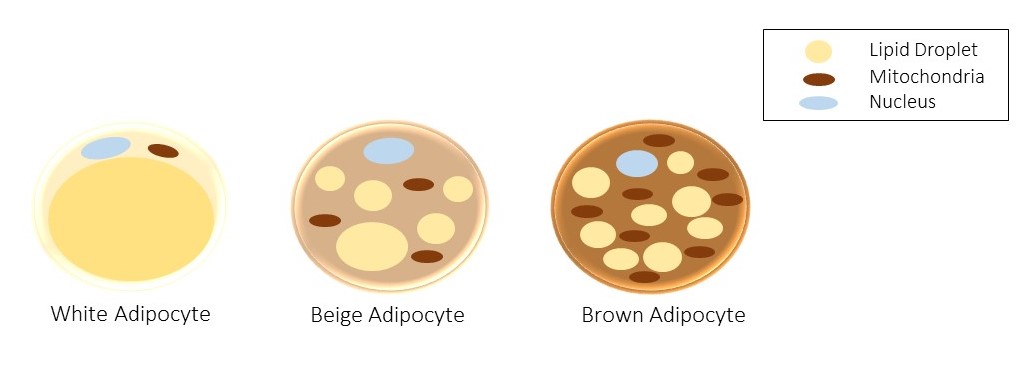


Structure and major types
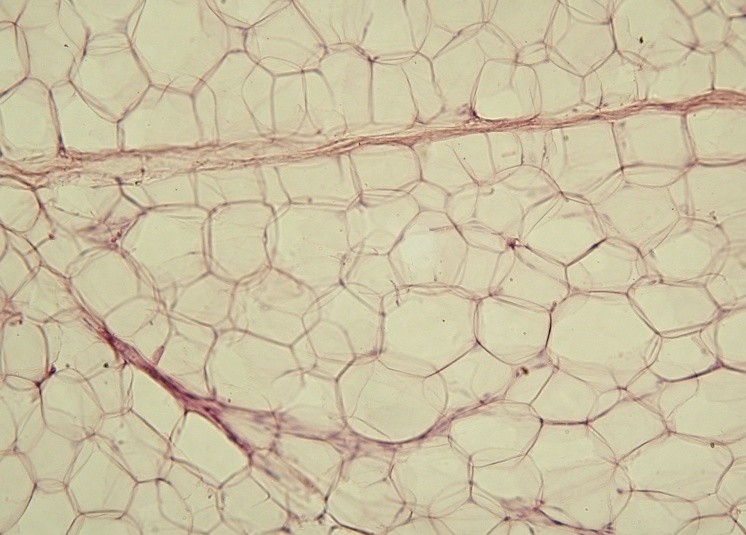
Adipocytes vary in appearance and function. White adipocytes (unilocular) contain a single large lipid droplet that pushes the cytoplasm and nucleus to the cell periphery. Brown adipocytes (multilocular) contain many small droplets and abundant mitochondria that enable heat generation. Beige or brite adipocytes are inducible cells with intermediate properties that appear in white depots under certain stimuli.
Key functions
- Energy storage: triglycerides accumulate and are mobilized by lipolysis when required.
- Endocrine roles: adipocytes secrete hormones and signaling molecules such as leptin and adiponectin that regulate appetite, metabolism and inflammation.
- Mechanical and thermal protection: they cushion organs and provide insulation beneath the skin.
Beyond these basic roles, adipocytes participate in local immune responses and interact with vascular and stromal cells within adipose depots. Their metabolic activity influences whole-body energy balance and insulin sensitivity.
Development, variation and clinical relevance
Adipocytes differentiate from mesenchymal precursor cells through adipogenesis, a regulated program of gene expression. Distribution (subcutaneous versus visceral), cell size and depot-specific properties affect disease risk: excess visceral adiposity is linked to insulin resistance, type 2 diabetes and cardiovascular disease, while inadequate adipose function causes lipodystrophy. Research into adipocyte biology informs obesity treatments, metabolic disease therapies and regenerative medicine.
Related articles
Author
AlegsaOnline.com Adipocyte: structure, types, functions and clinical significance Leandro Alegsa
URL: https://en.alegsaonline.com/art/988