
Adrenal gland: structure, hormones, and clinical significance
Small paired glands atop or near the kidneys that produce steroid and catecholamine hormones regulating stress, metabolism, blood pressure and electrolyte balance.
The adrenal gland is a paired endocrine organ found in most mammals. In humans it sits as a cap-like structure on top of each kidney, though in other species the glands may lie near the kidneys. The name reflects this position: ad- meaning near and -renal referring to the kidney. Despite their small size, the glands have a wide-ranging influence on physiology by secreting several classes of hormones.
Image gallery
6 Images


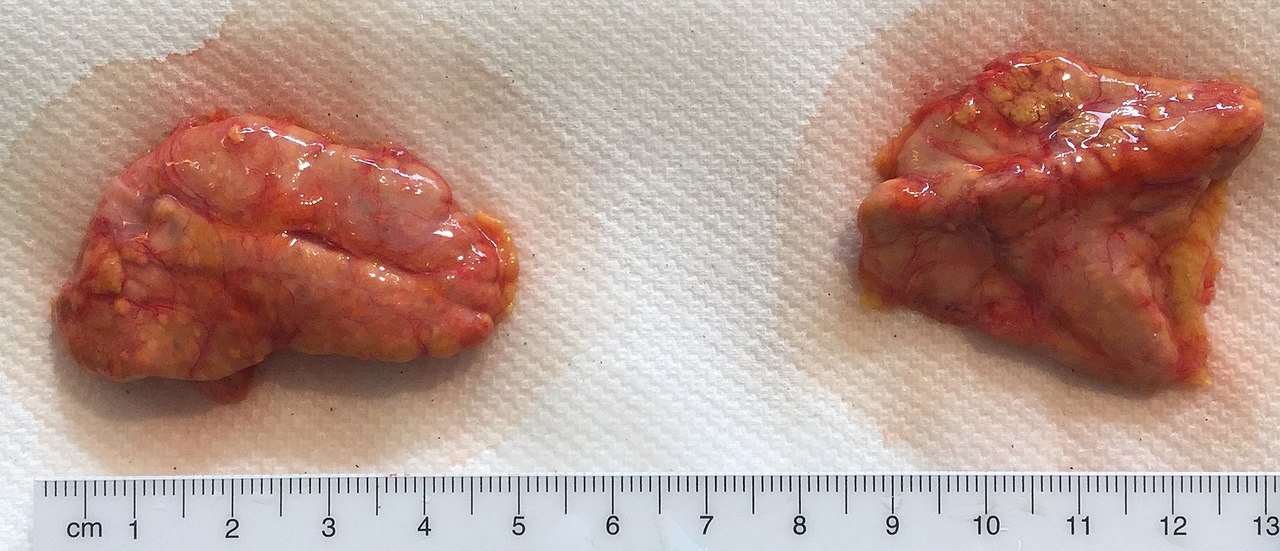

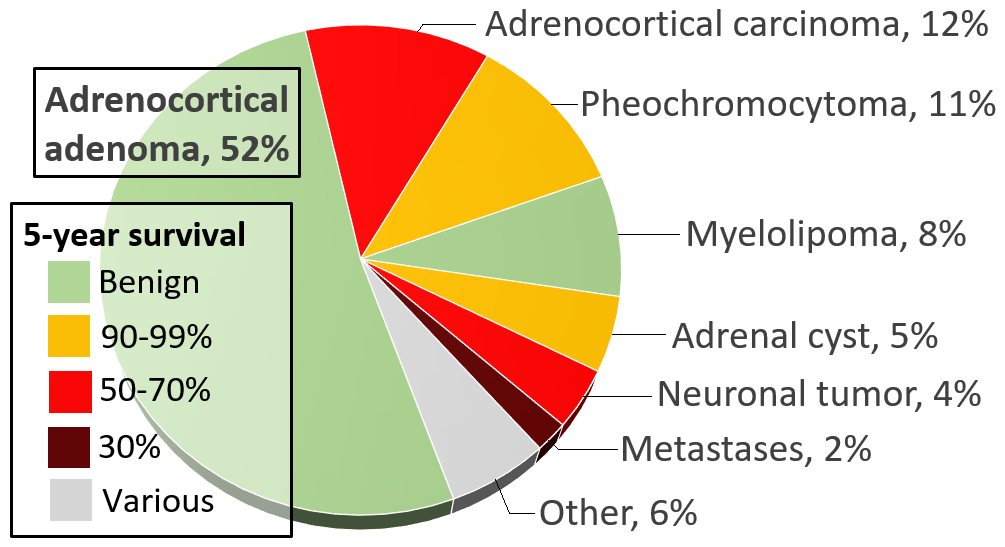
Anatomy and internal organization
Each adrenal gland is divided into two anatomically and functionally distinct regions. The outer layer, the adrenal cortex, is composed of steroid-producing cells arranged in zones. The inner core, the adrenal medulla, contains chromaffin cells that release catecholamines. These two parts arise from different embryological tissues and therefore produce different types of chemical messengers.
Major hormones and their roles
The cortex synthesizes steroid hormones in three broad groups: mineralocorticoids, glucocorticoids and adrenal androgens. Mineralocorticoids (for example, aldosterone) help regulate blood pressure and the balance of sodium and potassium that determine electrolyte homeostasis. Glucocorticoids (notably cortisol) influence carbohydrate and protein metabolism, inflammation, and the body’s response to stress. The medulla produces catecholamines such as adrenaline and noradrenaline, which provide rapid cardiovascular and metabolic adjustments in fight-or-flight situations.
- Mineralocorticoids: regulate fluid and salt handling (mineralocorticoids).
- Glucocorticoids: modulate metabolism and immune responses (glucocorticoids, cortisol).
- Androgens: weak sex steroids produced in small amounts (androgens).
- Catecholamines: rapid-acting mediators of alertness and circulation (hormones of the medulla).
Development, variation and evolutionary notes
The cortex and medulla have distinct embryonic origins: the cortex arises from mesodermal tissue while the medulla is derived from neural crest cells. Across vertebrates the position and microscopic arrangement can vary, and in humans the suprarenal position atop the kidney is a characteristic feature. The glands are often referred to as suprarenal glands in anatomical texts.
Clinical importance and common disorders
Because of the adrenals’ role in hormone production, dysfunction can lead to a range of medical conditions. Primary adrenal insufficiency (Addison disease) causes inadequate steroid secretion; chronic excess glucocorticoid exposure results in Cushing-like features; catecholamine-secreting tumors of the medulla (pheochromocytomas) provoke episodic hypertension and palpitations; congenital enzyme defects in steroid synthesis lead to congenital adrenal hyperplasia with altered androgen levels. Evaluation of adrenal function uses biochemical tests and imaging when indicated.
Why the adrenal glands matter
The adrenal glands integrate short-term responses such as the release of adrenaline with longer-term regulation via steroids that shape metabolism, immune function and fluid balance. That interplay is central to surviving acute threats and maintaining homeostasis. For further reading on anatomy, physiology and clinical aspects, consult specialized endocrinology sources or medical references (steroid pathways, electrolyte effects, blood pressure control). Additional introductory materials are available through general anatomy and physiology overviews (adrenal gland, kidney relationships, comparative anatomy).
Note: this article summarizes widely accepted anatomical and physiological concepts and is intended for general information rather than clinical guidance. For diagnosis or treatment decisions seek professional medical advice and up-to-date clinical sources (hormones and stress response; cortisol regulation).
Questions and answers
Q: What is the adrenal gland?
A: The adrenal gland is a gland in most mammals that is near the kidneys.
Q: What are the two types of tissues that make up the adrenal gland?
A: The two types of tissues that make up the adrenal gland are the adrenal medulla and the adrenal cortex.
Q: What are the adrenal glands known as in humans?
A: The adrenal glands are known as "suprarenal glands" in humans.
Q: What are the three main types of steroid hormones produced by the adrenal cortex?
A: The three main types of steroid hormones produced by the adrenal cortex are mineralocorticoids, glucocorticoids, and androgens.
Q: What is the function of mineralocorticoids?
A: The function of mineralocorticoids, such as aldosterone, is to help regulate blood pressure and electrolyte balance.
Q: What hormones are involved in controlling stress that are produced by the adrenal gland?
A: Cortisol and adrenaline are hormones that are involved in controlling stress and are produced by the adrenal gland.
Q: Where are the adrenal glands located in humans?
A: The adrenal glands in humans are cap-like structures on top of the kidneys.
Related articles
Author
AlegsaOnline.com Adrenal gland: structure, hormones, and clinical significance Leandro Alegsa
URL: https://en.alegsaonline.com/art/1064