
Aestivation: summer dormancy and survival strategies in animals
Aestivation (estivation) is a state of reduced metabolic activity animals use to survive high temperature and dry conditions; found across invertebrates and vertebrates with varied mechanisms and ecological roles.
Overview
Aestivation (also spelled estivation in some regions) is a reversible state of greatly reduced activity and metabolic rate that animals enter to survive hot, dry periods. It is one form of dormancy, a broader category of temporary physiological slowing that helps organisms cope with unfavorable environmental conditions. Like hibernation, which occurs in cold seasons, aestivation reduces energy needs, but it is triggered by heat and drought rather than low temperatures.
Image gallery
8 Images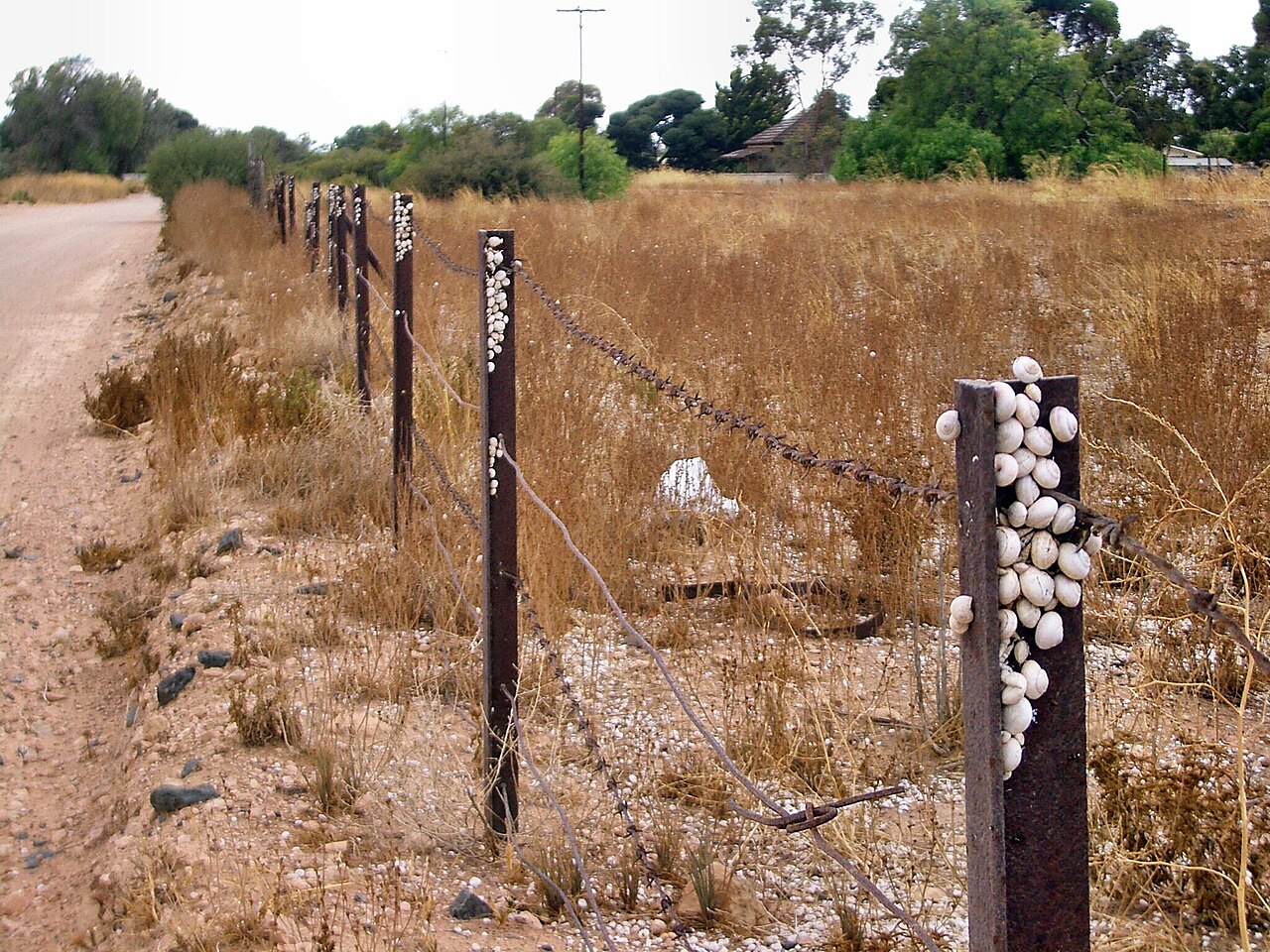





Physiology and mechanisms
During aestivation an animal lowers its rate of energy use, conserves water, and often suspends feeding and digestion. Broad strategies include metabolic depression, accumulation of protective molecules, and behavioral modifications such as burrowing or retreating into shells. These changes limit water loss and reduce damage from heat. Scientists study shifts in respiration, ion balance, and antioxidant defenses to understand how tissues survive prolonged low-activity states and avoid desiccation.
Common adaptations and behaviors
- Sealing body openings or forming a protective covering (for example, some snails produce an epiphragm).
- Burrowing into soil or mud to reach cooler, moister microhabitats.
- Encysting or creating a cocoon, seen in some insects and annelids.
- Reducing breathing and circulation to minimize water loss and slow metabolism.
Taxa and examples
Aestivation occurs across many groups. Examples include aquatic and terrestrial species: the African and South American lungfish famously survive dry seasons by burrowing and forming a mucous cocoon; fossil relatives have shown this strategy dates back to the Devonian period. Other examples are reptiles such as the Nile crocodile and certain turtles, land mollusks like many snails, and insects including some lady beetles and grasshoppers. Both invertebrates and vertebrates use aestivation; it is found in terrestrial species and in aquatic animals facing seasonal drying.
Distinctions, ecological role, and research
Aestivation differs from torpor and hibernation mainly in its environmental triggers and some physiological details. Ecologically, it allows species to persist through predictable seasonal extremes, affects population dynamics, and shapes life-history timing (breeding and migration). Researchers examine aestivation for clues about metabolic control, organ protection, and potential medical applications such as organ preservation and improving tolerance to low-oxygen conditions. Understanding aestivation also informs conservation, because climate change can alter the timing and severity of heat and drought that drive these behaviors.
Notable facts and conservation implications
Because aestivation helps species bridge periods of hardship, it is an important survival tactic across ecosystems. However, prolonged or more intense heat and drying may exceed the limits of this strategy for some organisms. Conservation efforts increasingly consider how altered seasonal patterns affect animals that rely on dormancy cycles. For further reading on definitions and examples, see entries linked to key topics such as dormancy, hibernation, and taxon-specific pages like lungfish or studies summarized in broader resources (estivation, metabolism).
Related topics and resources: Devonian context, Nile crocodile, land snails, lady beetles, invertebrates, vertebrates, desiccation, terrestrial and aquatic survival strategies.
Questions and answers
Q: What is aestivation?
A: Aestivation is a way for animals to go dormant, similar to being asleep, when it is hot outside instead of when it is cold.
Q: How is aestivation similar to hibernation?
A: Aestivation is similar to hibernation because both involve the animal slowing down and using less energy (food), but aestivation occurs when it is hot instead of when it is cold.
Q: When do animals aestivate?
A: Animals aestivate when the temperature is high and the weather is dry, in order to avoid dying from the heat or from drying out.
Q: Which animals have been doing aestivation since millions of years ago?
A: Lungfish have been doing aestivation since the Devonian period millions of years ago.
Q: Which animals aestivate to avoid death from heat or from drying out?
A: Both invertebrate and vertebrate animals aestivate to avoid death from heat or from drying out.
Q: Can both land- and water-living animals do aestivation?
A: Yes, both land- and water-living animals can do aestivation.
Q: Can you name some animals that aestivate?
A: Some animals that aestivate include the Nile crocodile, many species of snails, and lady beetles.
Related articles
Author
AlegsaOnline.com Aestivation: summer dormancy and survival strategies in animals Leandro Alegsa
URL: https://en.alegsaonline.com/art/1195
Sources
- books.google.com : Trace fossils: concepts, problems, prospects
- publish.csiro.au : abstract