
The Marvelous Misadventures of Flapjack
An encyclopedic overview of the Cartoon Network series by Thurop Van Orman: premise, characters, production, style, themes, broadcast, reception, and influence on modern animation.
Overview
The Marvelous Misadventures of Flapjack is an American animated television series created by Thurop Van Orman for Cartoon Network. The series premiered in June 2008 and is known for combining childlike wonder with surreal, sometimes dark humor. Its narrative follows a curious foster boy, Flapjack, who dreams of finding the mythical Candy Island. The show mixes traditional 2D character animation with richly textured, hand-drawn backgrounds and distinctive, slightly off-kilter character designs.
Image gallery
6 Images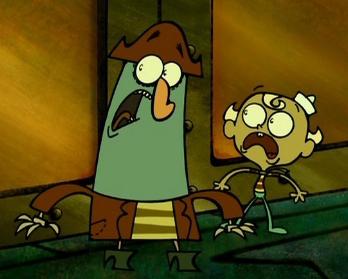


Premise and main characters
The central quest of the series is Flapjack's search for Candy Island, a legendary place that promises endless sweets and adventure. He lives in a bathtub aboard the floating home of Bubbie, an anthropomorphic whale who acts as his foster mother and primary protector. Flapjack's companion is the grizzled, lazy seafarer Captain K'nuckles, an unreliable mentor whose appetites—especially for syrup—often complicate their journeys. The interplay between Flapjack's innocence, K'nuckles' dubious guidance, and Bubbie's protective presence drives much of the show's humor and emotional heart.
- Flapjack: a naïve and adventurous boy whose optimism powers the series; background notes are available here.
- Captain K'nuckles: an older sailor with selfish schemes and a fondness for sweets; character background at this link.
- Bubbie: an anthropomorphic whale who fosters and cares for Flapjack; see more on the character here.
Production and creators
Thurop Van Orman developed the series after work in other animated shows; his experience as a cartoonist and storyboard artist shaped the program's visual and narrative approach. The series is notable for its hand-crafted aesthetic and creator-driven sensibility. Several artists and storyboarders who contributed to the show later went on to create or influence other notable animated programs, an aspect often discussed in retrospectives and timelines here. For information on Van Orman's earlier credits, see this reference.
Style, themes and recurring elements
The show frequently explores themes of exploration, the contrast between romanticized adventure and real danger, and the formation of family through chosen bonds rather than blood. Visual motifs include nautical imagery, retro-inspired textures, and an often whimsical yet unsettling palette. Running gags and motifs—such as K'nuckles' comic addiction to syrup—underscore character quirks and provide recurring comic beats; a discussion of that motif can be found here. The series also uses nonhuman characters and anthropomorphic designs to shape its world-building (more on anthropomorphism), and it regularly places Flapjack in situations that test his innocence and courage (examples).
Episodes and broadcast
Episodes were typically formatted as short segments suitable for half-hour programming blocks, following a common structure for contemporary animated series. The program ran for multiple seasons and aired on Cartoon Network; for official series notes and scheduling information see this resource. The show reached audiences through traditional broadcast windows and later through various home media and streaming arrangements maintained by the network.
Reception and legacy
Critics and viewers praised the program for its originality, distinct visuals, and willingness to blend child-centered adventure with surreal or darker moments. While aimed at younger audiences, its offbeat humor and design appealed to older viewers and aspiring animators. The series is often cited for helping to incubate a group of creators and storyboard artists—some alumni moved on to create widely known series—contributing to a wave of creator-driven animation. For a look at the show's lore and the in-universe concept of Candy Island, see Candy Island lore.
Further notes
The Marvelous Misadventures of Flapjack is remembered as a distinctive, creator-led cartoon that combined adventurous storytelling with a visual sensibility that influenced subsequent animated projects. Discussions of the series often highlight its approach to found family and foster relationships (foster themes), its textured art style, and the ways it balanced whimsy with cautionary episodes. For additional reading on characters and production context, consult network and archival entries linked throughout this article and the broader collection of retrospective essays on the series.
For official materials, production credits, and episode guides, viewers are directed to the network's program pages and authorized reference sites: network, creator notes and interviews, and the timeline and resources linked above for deeper historical context.
Related articles
Author
AlegsaOnline.com The Marvelous Misadventures of Flapjack Leandro Alegsa
URL: https://en.alegsaonline.com/art/98429