
Anthropomorphism: attributing human traits to non-human beings and objects
Anthropomorphism is attributing human characteristics to animals, objects, or ideas. This article explains its meaning, history, psychological roots, uses in art and commerce, and ethical or scientific concerns.
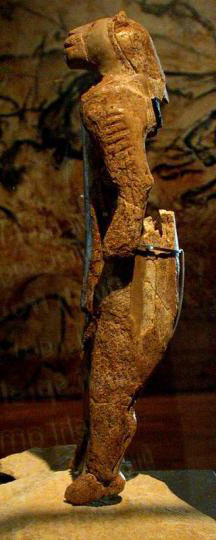
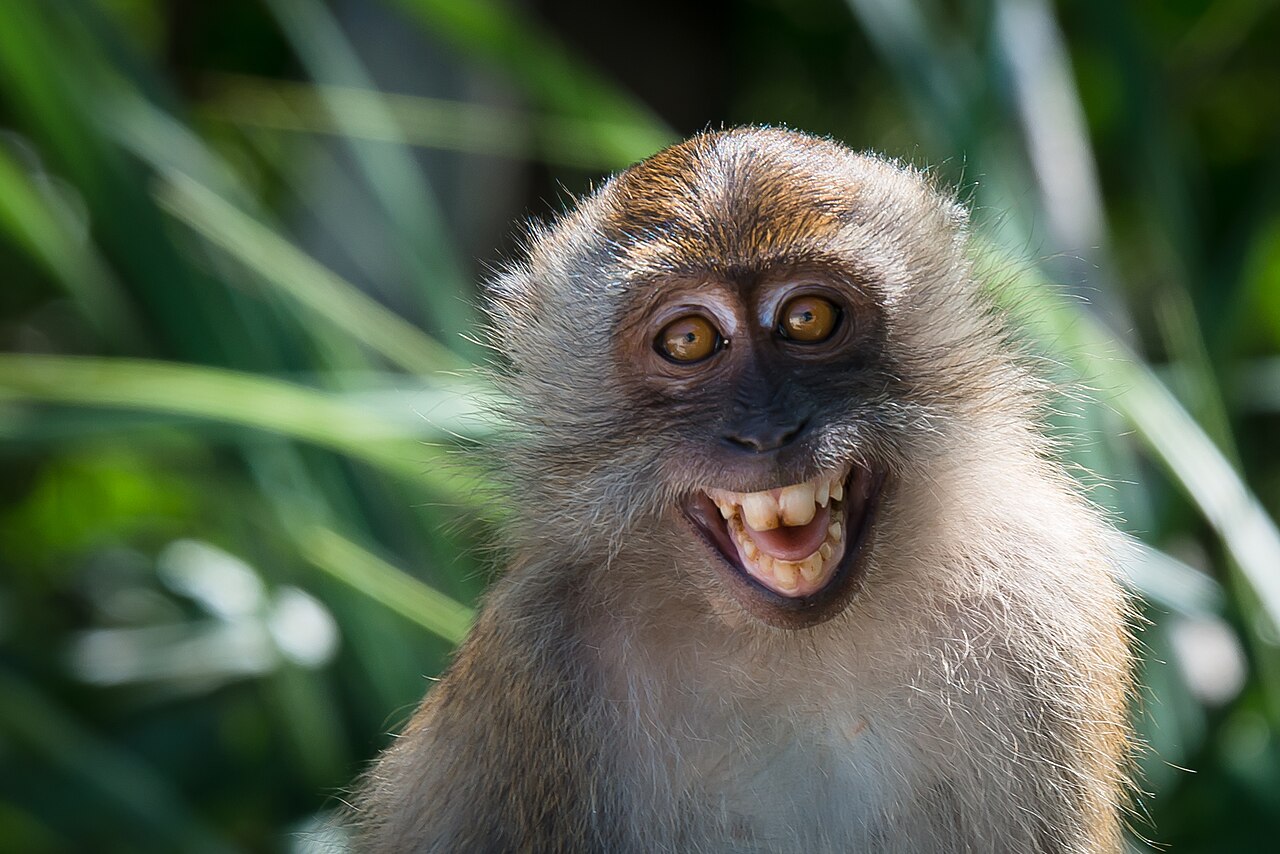
Anthropomorphism is the attribution of human qualities, emotions, intentions, or behaviors to non-human entities. In everyday speech it describes ascribing human traits to animals, plants, natural forces, machines, or abstract concepts. More narrowly, it is distinct from simple metaphor: anthropomorphism treats the non-human as if it had a human-like mind or social identity rather than merely using human imagery.
Image gallery
10 Images




Characteristics and related terms
Anthropomorphism can appear in many forms. It may assign human traits such as speech, reasoning, or moral agency, or it may depict inner states like feelings and desires. Closely related terms include personification—a rhetorical device that gives human qualities to abstract ideas—and furry culture, which embraces anthropomorphized animal characters; the word furry is commonly used for people who enjoy or create such characters. The differences are subtle: personification is often poetic, while anthropomorphism implies an assumed internal life.
Historically and culturally, anthropomorphism is extremely common. Ancient religions and mythologies frequently cast gods, spirits, or natural forces in human form or behavior. In folklore and children's tales, talking animals and animated objects are routines because they make stories relatable and memorable. Classic examples in popular culture include the wolf and three pigs from the tale of The Three Little Pigs and the long-running icon Mickey Mouse, both of which behave, reason, and interact like people.
Common uses and examples
- Children's literature and animation: anthropomorphic characters teach lessons and mirror human society.
- Literary realism and symbolism: novels such as The Call of the Wild use human-like animal consciousness to explore themes; its protagonist Buck is an example of animals portrayed with complex inner life.
- Marketing and product design: mascots and brand characters are anthropomorphized to create emotional bonds with consumers.
- Robotics and artificial intelligence: assigning human expressions or voices to machines helps users interact with technology more intuitively.
- Everyday pet behavior: owners often narrate animal actions as if the pet has human motives or thoughts.
- Religious and mythological contexts: deities and spirits frequently appear with human form and psychology.
Psychologists and cognitive scientists study why people anthropomorphize. Explanations include the human tendency to project familiar mental states onto others (a functioning theory of mind), the need to explain and predict behavior, and an innate bias toward attributing agency. Anthropomorphism can help people feel empathy for animals or objects, but it can also lead to misinterpretation of real animal behavior when human motives are assumed.
Critics caution that anthropomorphism can distort scientific observations and ethical judgments. Treating animal acts as morally motivated human choices may obscure biological explanations and welfare needs. Conversely, anthropomorphism has been a force for empathy in conservation, design, and storytelling. Distinguishing between useful metaphor and misleading projection is an ongoing concern: scholars recommend careful, evidence-based study of non-human minds while recognizing the cultural power of humanlike portrayals.
Anthropomorphism remains a persistent and flexible mode of thought and expression. It bridges imagination and everyday interpretation, appearing in folklore, literature, commerce, technology, and daily life. For further reading on the concept and its implications, see broader overviews and specialized studies in psychology, literary criticism, and animal behavior research (example resource). Additional contexts and examples are available through introductory resources and curated collections (folk tales, media archives, thematic studies, cross-cultural surveys, psychology summaries, community pages, literary examples, character studies, educational guides).
Questions and answers
Q: What is anthropomorphism?
A: Anthropomorphism is the addition of human traits to something that is not a human.
Q: Can you provide an example of anthropomorphism?
A: Yes, a common example of anthropomorphism is the use of human-like traits in stories and art, such as the Three Little Pigs and Disney's Mickey Mouse.
Q: What is a furry?
A: A furry is an anthropomorphized animal.
Q: What is The Call of the Wild?
A: The Call of the Wild is a novel that uses anthropomorphism to portray animals with human-like thoughts and behaviors.
Q: Who is the main character in The Call of the Wild?
A: The main character in The Call of the Wild is a dog named Buck.
Q: Do many characters in The Call of the Wild also display human-like thoughts and behaviors?
A: Yes, in The Call of the Wild, many characters, including dogs and wolves, think and act more like humans than dogs.
Q: How common is the use of anthropomorphism in stories and art?
A: The use of anthropomorphism is a common literary and artistic device used to make non-human characters more relatable and engaging to audiences.
Related articles
Author
AlegsaOnline.com Anthropomorphism: attributing human traits to non-human beings and objects Leandro Alegsa
URL: https://en.alegsaonline.com/art/4598
Sources
- citeseerx.ist.psu.edu : 10.1.1.457.4031
- doi.org : 10.1037/0033-295x.114.4.864
- pubmed.ncbi.nlm.nih.gov : 17907867