
The Mary Tyler Moore Show
1970s American sitcom starring Mary Tyler Moore as Mary Richards; noted for its portrayal of a single, career-focused woman, strong ensemble cast, social themes, and influential spin-offs and awards.
The Mary Tyler Moore Show was an American television sitcom that aired from September 1970 to March 1977. It starred Mary Tyler Moore as Mary Richards, a young, independent woman who builds a career and life after relocating to Minneapolis. The series combined workplace comedy with thoughtful treatment of contemporary social issues and helped redefine how television represented single women and professional life.
Image gallery
4 Images

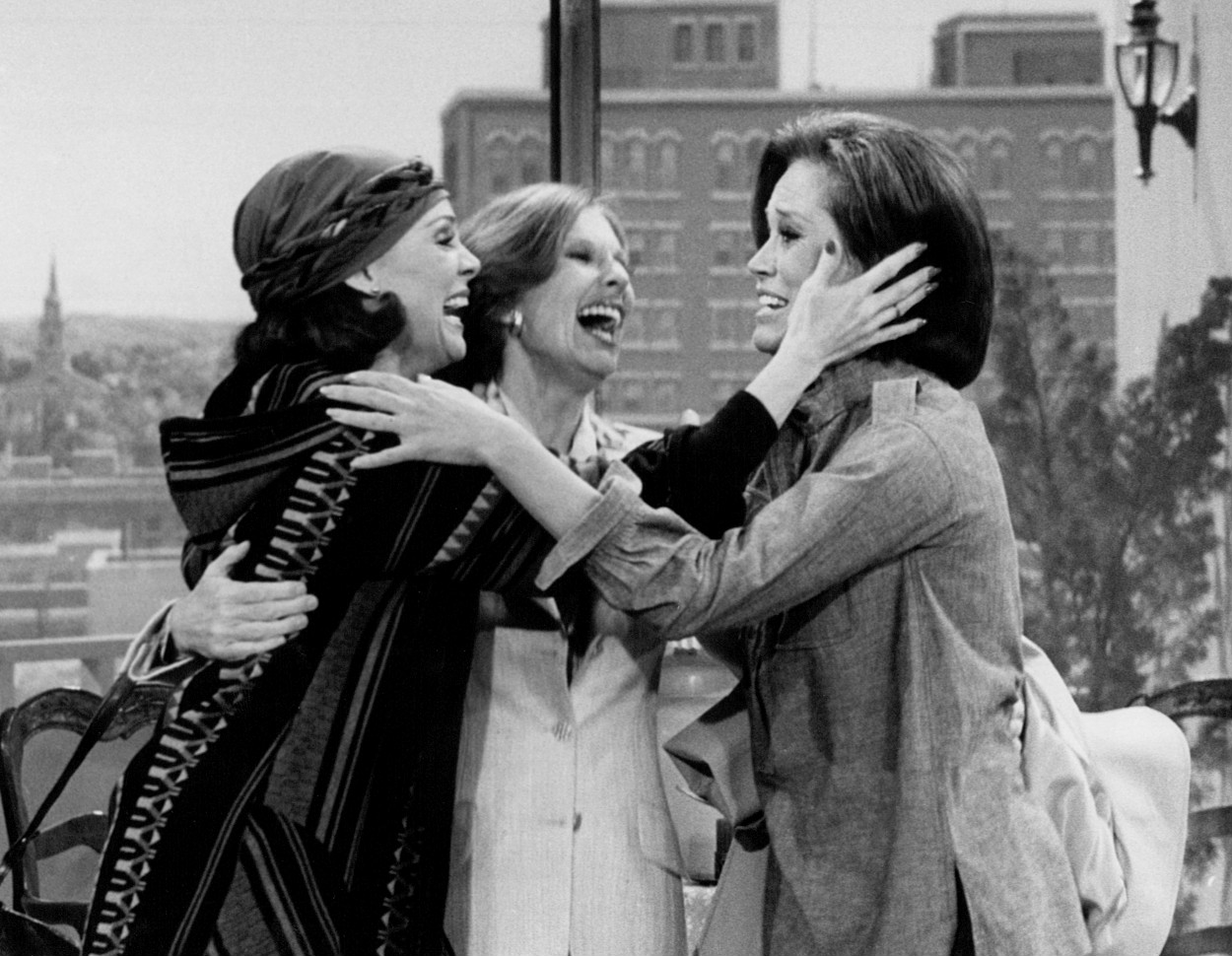

Characters and cast
- Mary Richards (Mary Tyler Moore) — the show's central character and a single, career-minded woman; see discussion of the role as a depiction of a single woman.
- Lou Grant (Ed Asner) — Mary’s boss, a gruff but complex newsroom editor who later headlined his own dramatic spin-off.
- Murray, Ted, Rhoda, Phyllis, Sue Ann — memorable supporting roles, including Rhoda Morgenstern (played by Valerie Harper) and Sue Ann Nivens (played by Betty White), who contributed strong comic personalities and frequent storylines.
Production, style and themes
Produced by MTM Enterprises and notable for its ensemble writing and character-driven plots, the series used the setting of a local television newsroom to explore work relationships, aspirations and personal independence. Its tone balanced gentle humor with sincere moments; episodes addressed changing social norms, career choices, dating and friendships in ways that were then uncommon on network television. The show’s theme song and opening sequence became iconic symbols of its optimistic, urban outlook.
Awards, reception and legacy
The program received widespread critical acclaim and numerous honors, including awards such as the Peabody Award, multiple Golden Globes and many Emmy Awards for both the series and individual cast members. Critics and historians often cite it as a landmark series for its sophisticated scripts, ensemble performances and for expanding the kinds of women’s stories shown on television.
Spin-offs and influence
The Mary Tyler Moore Show generated several direct spin-offs — most notably Rhoda, Phyllis and Lou Grant — each extending characters and themes in new directions; Lou Grant famously became a workplace drama rather than a sitcom. Beyond those series, its influence is visible in later shows that center professional women, ensemble workplaces, or a mix of comedy and social awareness.
Today the series is remembered both for its warm, witty portrayal of ordinary life and for helping transform television storytelling in the 1970s, establishing character types and narrative approaches that are still familiar in contemporary TV comedy and drama.
Related articles
Author
AlegsaOnline.com The Mary Tyler Moore Show Leandro Alegsa
URL: https://en.alegsaonline.com/art/98430