
The Mike Douglas Show
A long-running American daytime television talk program (1961–1982) hosted by Mike Douglas, known for its mix of interviews, music, rotating celebrity co-hosts and wide syndication by Westinghouse.
Overview
The Mike Douglas Show was an influential American daytime television talk show that aired in syndication from 1961 to 1982. Presented by the entertainer Mike Douglas, the program combined interviews, musical performances and light-variety segments. Distributed by Westinghouse Broadcasting (often called Group W), the show reached a broad national audience and became a familiar presence in daytime lineups for over two decades.
Image gallery
4 Images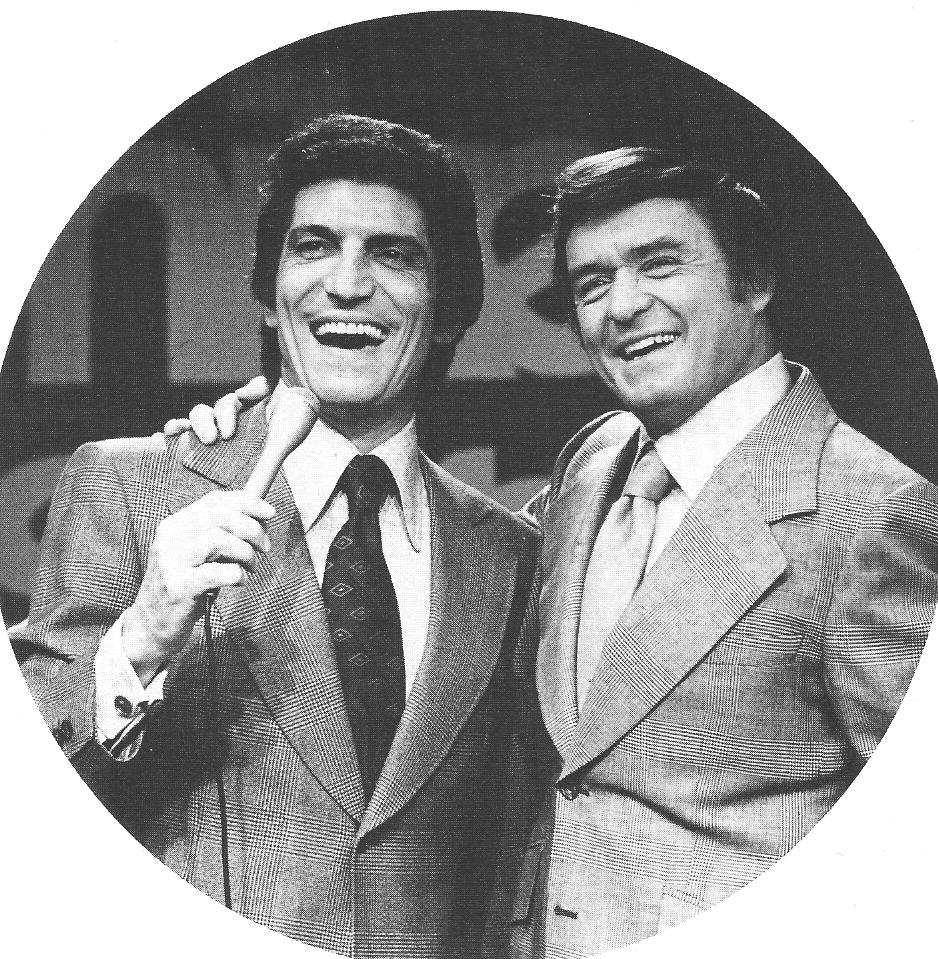


Format and characteristics
The show followed a magazine-style format that blended conversation, entertainment and demonstration. Episodes commonly featured celebrity interviews, live music, comedy bits and occasional instructional segments. A distinctive element was the use of a rotating guest co-host who joined Douglas for a full week; these co-hosts ranged from actors and singers to authors and public figures. The tone was generally informal and aimed at a broad, home-viewing audience.
Production and history
Produced and distributed by Westinghouse Broadcasting, many episodes were taped in studios belonging to the company’s television stations. The program’s production moved between facilities associated with Westinghouse operations, and its syndication model allowed local stations across the United States to include the show in their daytime schedules. Over its run from the early 1960s through the early 1980s, the program adapted to changing tastes while retaining its core mix of interviews and performances.
Notable features and examples
- Weekly guest co-hosts who participated in interviews and segments alongside Douglas.
- Live musical performances and appearances by entertainers from film, television and music.
- Informal interviews that highlighted both popular culture and occasional topical discussion.
Influence and legacy
The Mike Douglas Show helped shape the format of American daytime talk programming by combining celebrity interviews with musical and variety elements in a syndicated daily slot. Its mix of entertainment and accessible conversation influenced later daytime and variety programs. Though the show ended in 1982, it is remembered for popularizing the rotating co-host concept and for providing a national stage to a wide range of performers and personalities.
Further reading
For more about the program’s place in television history and Mike Douglas’s career, see contemporary broadcasting histories and archives that document American daytime television development.
Related articles
Author
AlegsaOnline.com The Mike Douglas Show Leandro Alegsa
URL: https://en.alegsaonline.com/art/98462