
Bebop (Bop): Origins, Characteristics and Influence
Bebop is a fast, improvisation-led style of jazz that emerged in New York in the 1940s, marked by complex harmony, rapid tempos, small groups, and pioneers such as Charlie Parker and Dizzy Gillespie.
Overview: Bebop (often called "bop") is a style of jazz that grew into prominence in the early to mid-1940s. It is distinguished by brisk tempos, dense harmonies and a focus on individual improvisation. Unlike the large swing orchestras that preceded it, bebop usually features small combos—typically saxophone, trumpet, piano, bass and drums—where musicians exchange short, intense solos.
Image gallery
5 Images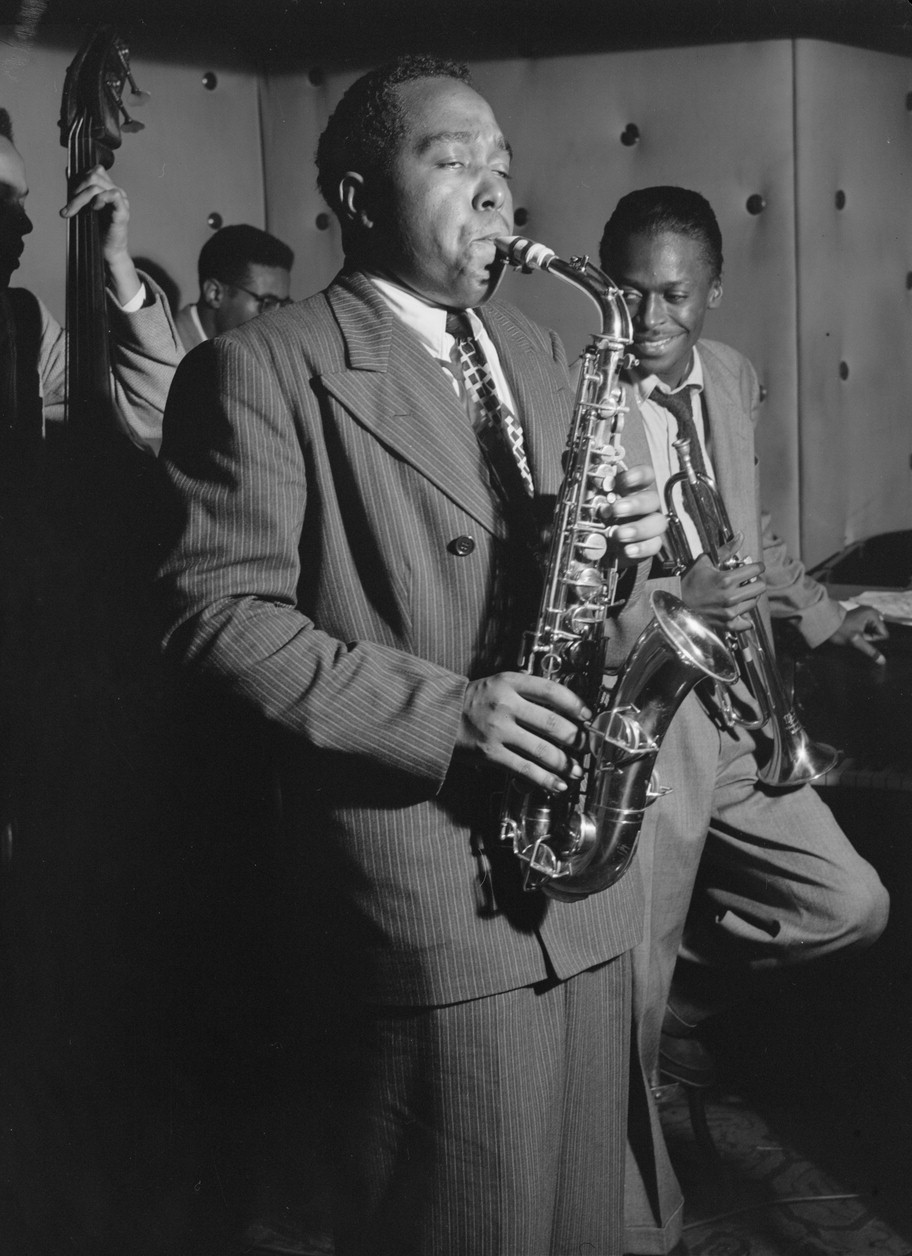


Characteristics
Bebop emphasizes musical ideas that challenged listeners and performers: extended and altered chords, rapid single-line melodies, unexpected accents, and frequent chord substitutions. Arrangements are often simple frameworks: a composed melody or "head" followed by improvised solos and a return to the head.
- Small ensemble interplay and conversational soloing.
- Complex harmony and fast-moving chord changes.
- Rhythmic innovation, syncopation and drum ride-patterns.
- Instrumental virtuosity—prominent voices include the saxophone and trumpet.
Origins and development
Bebop developed largely in New York City clubs and rehearsal rooms where younger musicians experimented away from dance-oriented big bands. House bands at after-hours venues and jam sessions became test beds for new harmonic ideas. Key innovators included Charlie Parker (see Parker's early life and musical development) and Dizzy Gillespie (see Gillespie's background), whose collaborations defined much of the style's vocabulary.
The name "bebop" derives from scat-singing syllables and onomatopoeic vocalizations used by singers and instrumentalists; those short, punchy sounds came to describe the music's clipped, angular melodies and rhythmic drive. Bebop represented a shift from music created primarily for dancing toward music made for concentrated listening and artistic expression.
Legacy and influence
Bebop reshaped the course of modern jazz, providing the harmonic and improvisational foundation for later styles such as hard bop, modal jazz and free jazz. It also raised technical expectations for jazz musicians and influenced teaching approaches in jazz studies. While sometimes perceived as less accessible than earlier popular forms, bebop's innovations remain central to jazz practice and repertoire (further reading on the era).
Listening tips: To hear bebop's defining traits, compare composed heads and solo passages by leading combos, paying attention to rapid harmonic shifts and conversational exchanges between trumpet and saxophone. For biographical and archival material on principal figures and recordings, consult artist profiles and curated collections (resources on bebop's legacy).
Related articles
Author
AlegsaOnline.com Bebop (Bop): Origins, Characteristics and Influence Leandro Alegsa
URL: https://en.alegsaonline.com/art/9983