
Big Mama's Funeral
A short prose work by Gabriel García Márquez blending satire and magical realism. The story examines power, ritual, and myth-making around a provincial matriarch and her elaborate funeral.
Overview
"Big Mama's Funeral" is a short prose work by Nobel Prize–winning author Gabriel García Márquez. It recounts the public spectacle surrounding the death and elaborate burial rites of a dominant provincial matriarch often called Mamá Grande. An English edition appeared in 1972 and the tale is sometimes mentioned in connection with Márquez's larger fictional universe, including references in One Hundred Years of Solitude.
Image gallery
1 Image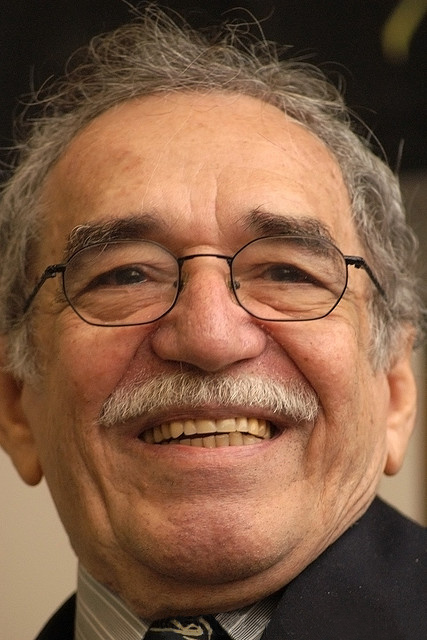
Characteristics and structure
The piece combines vivid, hyperbolic description with ironic distance. Scenes shift between the intimate—family attendants, last words—and the civic: politicians, journalists, and the masses who treat the funeral as a stage for power. Márquez uses repetition, amplified detail, and sudden surreal touches to transform ordinary events into emblematic, sometimes grotesque, spectacle.
Themes and significance
- Power and clientelism: The story satirizes how local rulers cultivate loyalty and myth to maintain control.
- Ritual and propaganda: Public mourning becomes a means to display or seize influence.
- Myth-making: Ordinary facts are magnified into legend, a common strategy in Márquez's work.
Style and literary context
Written in the register commonly labeled magical realism, the story blends concrete social observation with fantastical exaggeration. Márquez's narrative voice moves fluidly from affectionate caricature to pointed critique, making the tale both entertaining and politically astute. Readers encounter familiar techniques that also appear in his novels and short-story collections.
Reception and legacy
Critics have read "Big Mama's Funeral" as a compact satire of Latin American caudillismo and as a showcase for Márquez's prose craft. The author, who later received the Nobel Prize in Literature in 1982, is often cited for works that merge folklore, history, and politics; this story is a clear example of those preoccupations. For more detailed bibliographic and critical information see the story entry at source page and biographical notes about the author and his awards at relevant references.
Related articles
Author
AlegsaOnline.com Big Mama's Funeral Leandro Alegsa
URL: https://en.alegsaonline.com/art/11361