
Bibliography: meaning, types, history and uses
An overview of bibliography as both lists of writings and the scholarly study of books as physical and cultural objects, including organization methods, historical development, and practical applications.
Overview
Bibliography commonly refers to an organized list of writings — books, articles, reports and other published material — selected and arranged according to a chosen scheme. The word has roots in Greek; many accounts trace the element for book to Greek βίβλος and for writing to γραφή. In everyday use a bibliography helps readers identify and locate sources used in research, provide publication details, and indicate further reading. In a second, related sense, bibliography names an academic discipline that examines books themselves as physical, historical and cultural artifacts.
Image gallery
4 Images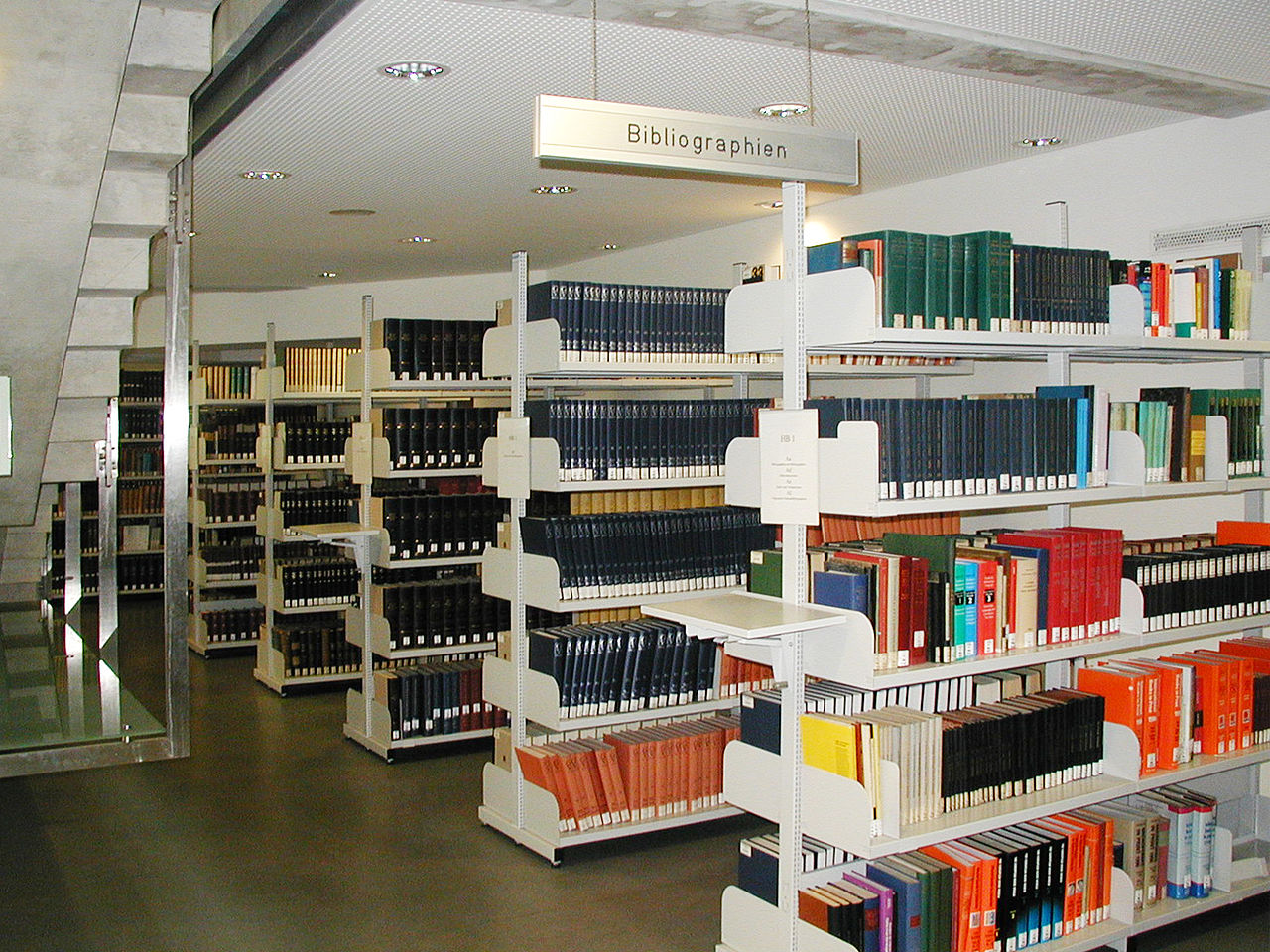


Organization and types
Bibliographies vary widely in purpose and form. Simple, unannotated lists are sometimes called checklists, while annotated bibliographies add summaries, evaluations or contextual notes. Common organizing principles include:
- Author: entries listed alphabetically by author name, common in scholarly works and library catalogs.
- Subject or topic: grouped by themes, subjects, or classifications to support topical research.
- Chronology: arranged by date of publication to show development over time.
- Format or medium: separating books, articles, theses, reports, and electronic resources.
Specialized forms include national bibliographies, subject bibliographies, critical bibliographies, and bibliographies intended for general readers or students. Bibliographic entries normally give enough information — author, title, publisher, date and pagination — to permit identification and retrieval.
History and development
The practice of compiling lists of writings has long roots in the history of scholarship. Early libraries and scholars maintained catalogs of works; over centuries the methods, standards and tools for recording bibliographic information evolved alongside printing, indexing and publishing. The rise of printing in the 15th century made systematic lists more necessary, and modern bibliographic conventions developed with the expansion of scholarship and the formation of bibliographic societies. In the 20th and 21st centuries, bibliographies moved from manuscript and printed forms into electronic databases and citation indexes, changing how researchers search and cite literature.
Bibliography as the study of books
When treated as a scholarly field, sometimes called bibliology or descriptive bibliography, the focus shifts from lists to books as objects. This branch studies how books are designed, produced, transmitted and collected: paper, type, binding, editions, printing practices, and the history of publication. Scholars in this area examine variants between editions, evidence of circulation and ownership, and the material traces that affect textual meaning. That field often supports rare book librarianship, textual criticism and the history of the book.
Uses, examples and importance
Bibliographies serve multiple audiences and functions. Researchers rely on curated bibliographies to discover relevant literature; instructors may assign annotated bibliographies to teach critical reading and source evaluation. Librarians and information professionals compile bibliographies to manage collections and to guide patrons. Publishers and booksellers use bibliographic records for cataloging and sales. Digital bibliographies and online citation tools have made it easier to create, share and format bibliographic information, although they also introduce concerns about completeness and long-term accessibility.
Distinctions and notable facts
It is important to distinguish between a bibliography as a reference list attached to a work and a standalone bibliography that surveys a field. Another distinction is between descriptive bibliography, which records how a work appears, and analytical or critical bibliography, which interprets production and textual transmission. For further reading on bibliographic standards and examples, see resources organized by authorship, publication type and subject classification: printed works, periodical literature, author-based lists at author indexes, and subject-focused compilations at subject bibliographies. Contemporary practice blends traditional descriptive techniques with digital metadata to make bibliographic information more discoverable and interoperable.
Tags
Related articles
Author
AlegsaOnline.com Bibliography: meaning, types, history and uses Leandro Alegsa
URL: https://en.alegsaonline.com/art/11245