
The King and I — Rodgers and Hammerstein musical
A two-act musical (1951) by Rodgers and Hammerstein, adapted from Margaret Landon's novel; celebrated for its score, choreography, original cast and its later film adaptation and revivals.
Overview
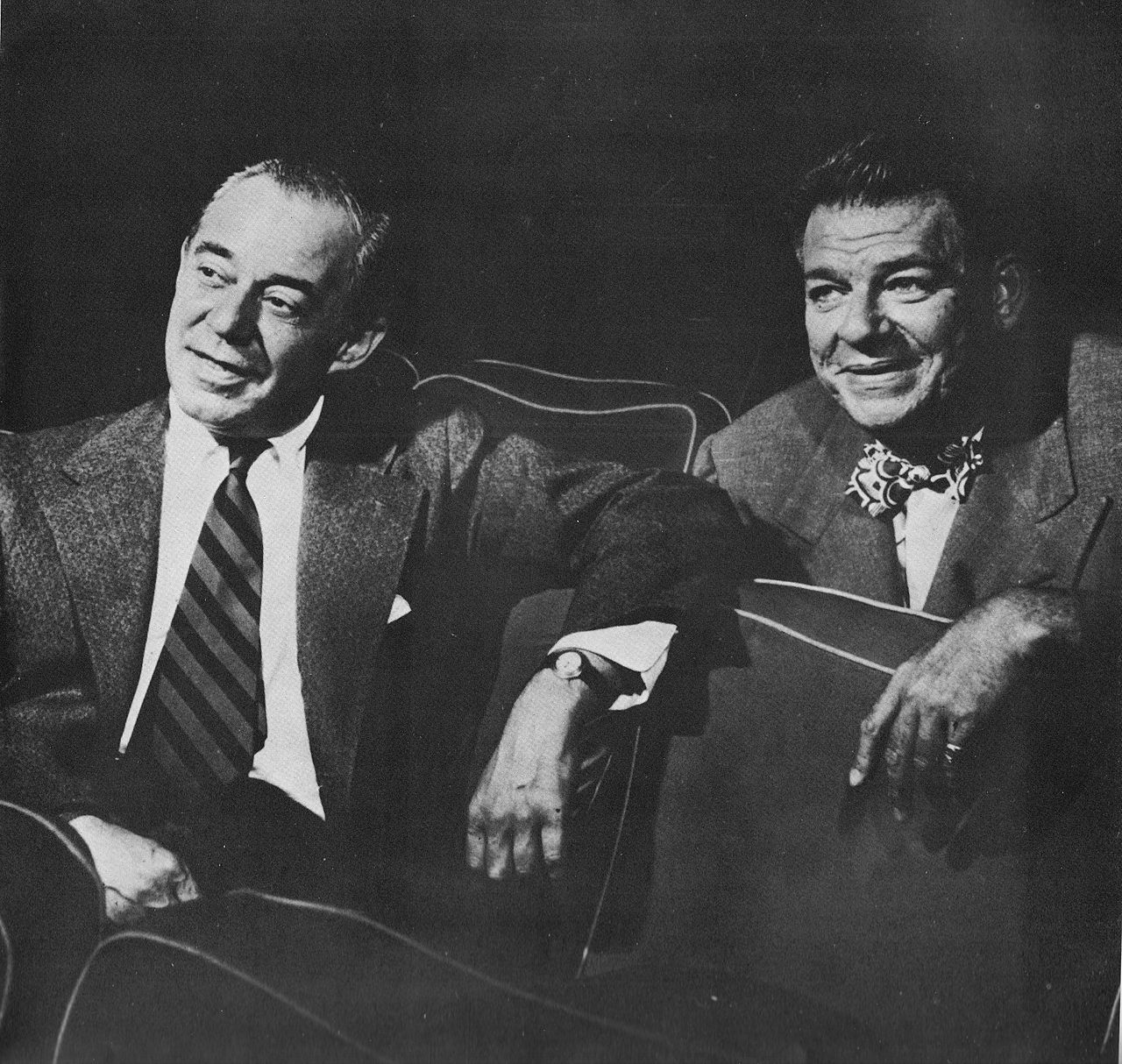
The King and I is a two-act musical by composer Richard Rodgers and librettist-lyricist Oscar Hammerstein II, adapted from the novel Anna and the King of Siam by Margaret Landon. First produced in 1951, it fictionalizes the experiences of Anna Leonowens, a British schoolteacher employed by the King of Siam to educate his children and some of his wives. The piece blends spoken drama, set musical numbers and extended dance sequences to examine themes of authority, cultural difference, modernization and personal dignity.
Image gallery
10 Images





Plot and musical structure
The narrative follows Anna's arrival at the Siamese court, her evolving relationship with the monarch, and the tensions between Western and Siamese customs. The score includes lyrical ballads, ensemble pieces and a large ballet sequence that functions as a play-within-the-play. Well-known songs from the show include "Getting to Know You," "Hello, Young Lovers," "Shall We Dance?" and character numbers such as "A Puzzlement" and "Something Wonderful." The extended "Small House of Uncle Thomas" sequence is staged as a dramatic ballet that comments on the main story and was a prominent and influential element of early productions.
Original production and creative team
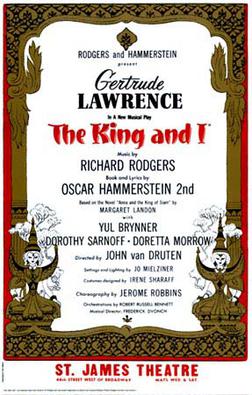
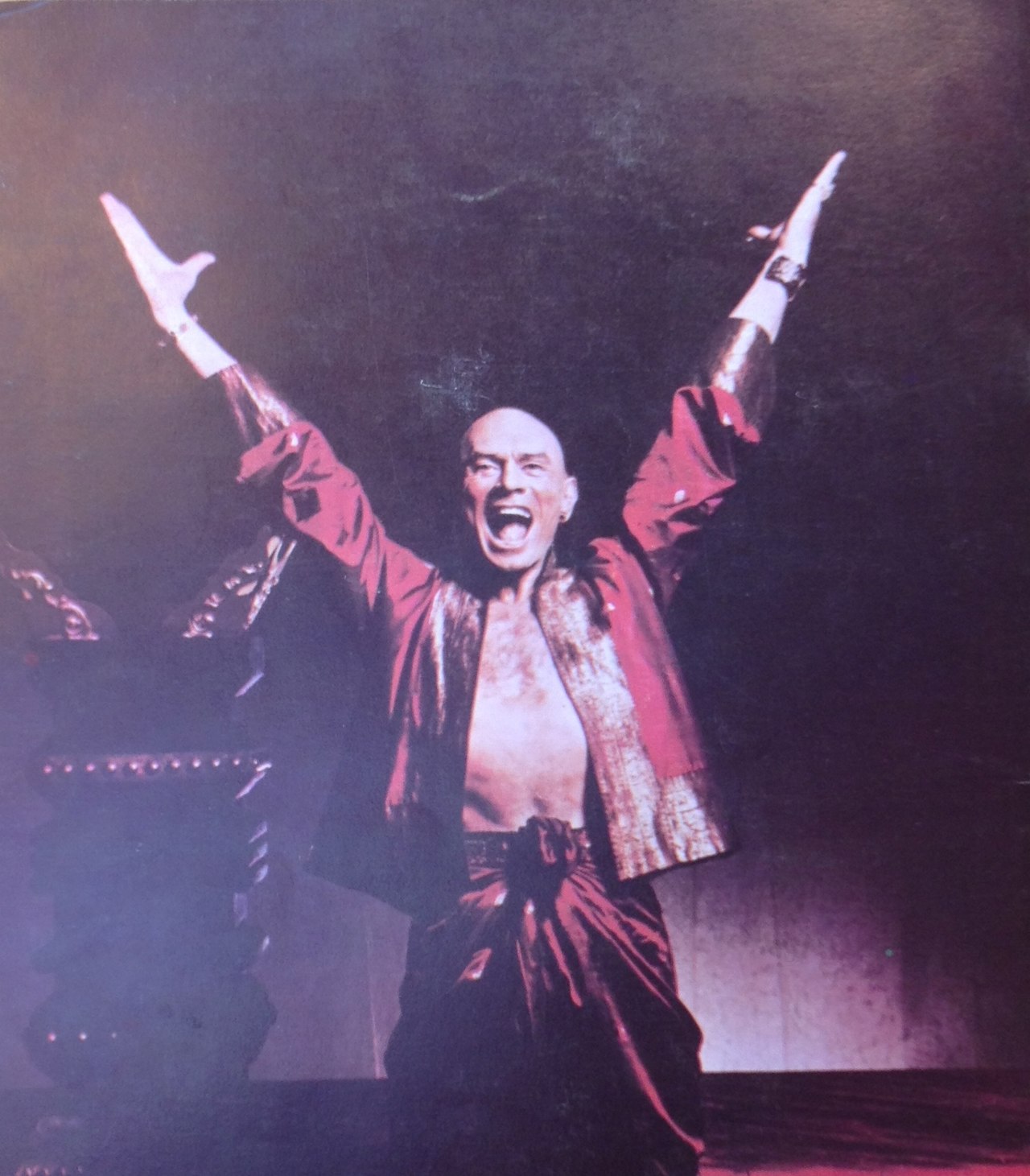
The original Broadway production opened at the St. James Theatre on 29 March 1951 and ran for 1,246 performances. It starred Gertrude Lawrence and Yul Brynner, was directed by John Van Druten, choreographed by Jerome Robbins and featured scenery and lighting by Jo Mielziner. The production won the 1952 Tony Award for Best Musical and established Yul Brynner's portrayal of the King as one of musical theatre's most recognizable roles.
West End, film and recordings
A West End production opened at the Theatre Royal, Drury Lane on 8 October 1953 and enjoyed a lengthy run. The musical was adapted for the screen by Twentieth Century Fox and released in 1956, with Yul Brynner reprising his stage role opposite Deborah Kerr. The score has been recorded many times by cast recordings and studio ensembles, and individual songs are frequently performed in concerts and anthologies of musical theatre.
Choreography, design and performance demands
Choreography plays a central role in productions of The King and I, with the original staging making significant use of ballet and stylized movement to convey the court's ritual life and the characters' inner emotions. Scenic and lighting design traditionally emphasize grandeur and contrast between private and public spaces in the palace. Casting is demanding: principal performers are required to act and sing with nuance, and large company numbers often demand strong dance ensembles.
Themes, reception and criticisms
The musical explores modernization, the negotiation of power and the possibilities and limits of cross-cultural understanding. From its earliest productions it received praise for its music, performances and theatricality, while also drawing critical attention for its historical liberties and for orientalist portrayals common in mid-20th-century Western theatre. In recent decades commentators and some revival directors have re-evaluated these aspects, seeking to address representation and to involve artists and consultants with Southeast Asian heritage.
Legacy and revivals
Yul Brynner's association with the King endured through numerous returns to the role on stage and screen. The work has been revived multiple times on Broadway, the West End and in regional theatres worldwide. Directors and designers vary in how they reconcile the show's spectacle with contemporary sensibilities: some preserve traditional staging while others alter choreography, casting practices or dramaturgy to foreground historical context and cultural sensitivity.
Further reading and resources
- Read the novel that inspired the musical: Anna and the King of Siam.
- Biographical and creative context: material on Oscar Hammerstein II and Richard Rodgers.
- Original Broadway production details: archival records for the St. James Theatre run are available here.
- Notable performers and histories: profiles of Gertrude Lawrence and Yul Brynner.
- West End production information: see the Theatre Royal, Drury Lane record here.
- Film adaptation and studio release: material on the 1956 movie from Twentieth Century Fox and its principal cast including Deborah Kerr.
The King and I remains a significant work in the American musical theatre repertoire: its score, choreography and central dramatic conflict continue to invite performance, scholarship and debate. Producers, directors and scholars often balance respect for Rodgers and Hammerstein's craft with a careful consideration of how best to present the story to contemporary audiences.
Related articles
Author
AlegsaOnline.com The King and I — Rodgers and Hammerstein musical Leandro Alegsa
URL: https://en.alegsaonline.com/art/98268
Sources
- broadwaymusicalhome.com : Broadway Musical Home: the King and I
- guidetomusicaltheatre.com : Guide to Musical Theatre: The King and I
- imagi-nation.com : Imagi-nation: The King and I
- ibdb.com : IBdb: The King and I
- civic.bev.net : BEV: The King and I