
The Lion King (musical)
Stage adaptation of Disney's 1994 film combining African-influenced music, large-scale puppetry and costume design; premiered on Broadway in 1997 and has become a global theatrical phenomenon.
Overview
The Lion King is a stage musical adapted from the 1994 animated film of the same name. It retells the coming-of-age story of Simba, a young lion who must reconcile his past and assume responsibility as king. The show blends Western musical theatre structure with African rhythms, choral writing, and visual techniques drawn from mask and puppet traditions.
Image gallery
5 Images



Creative team and design
Music for the stage production was developed from songs by Elton John with lyrics by Tim Rice, augmented by additional vocal and rhythmic material to evoke African musical sources. The original production was directed and co-designed by Julie Taymor, whose inventive use of masks, stilts and life-sized puppets became a defining feature of the show. Costumes, puppetry and stagecraft work together to suggest animal movement and landscape without literal realism.
Notable features
- Large-scale puppetry and masks that allow actors to suggest animals while retaining human agency.
- Interplay of English-language songs with African choral patterns and percussion.
- Visual storytelling emphasizing silhouette, gesture and ensemble tableaux rather than detailed sets.
Productions and recordings
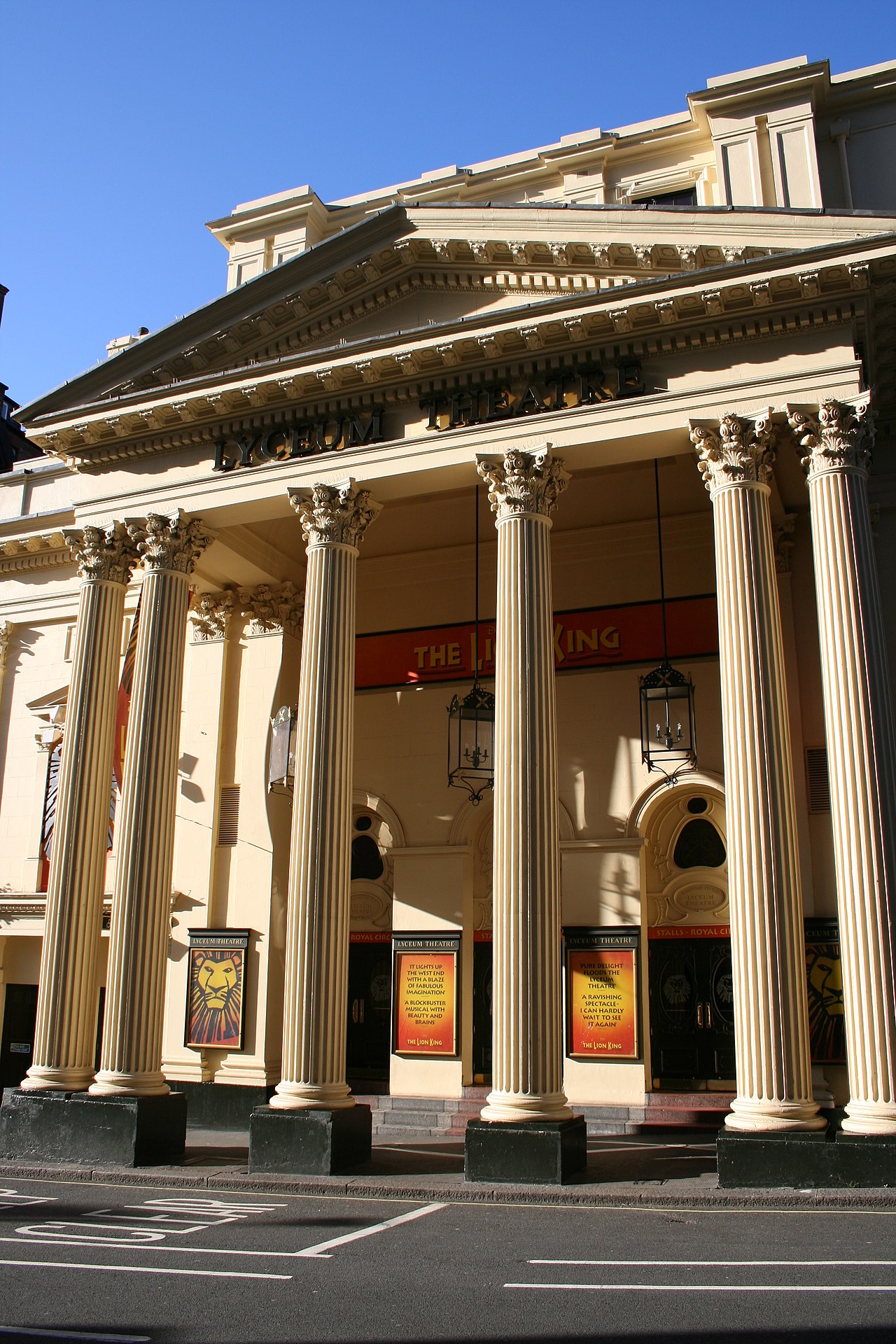
The musical opened on Broadway at the New Amsterdam Theatre in November 1997 and later opened in London’s West End at the Lyceum Theatre in 1999. Since those premieres, The Lion King has been mounted worldwide in both long-running resident productions and touring companies. Original cast recordings—most notably the Broadway and London releases—preserve the stage arrangements alongside the familiar film songs and additional theatrical material.
Awards and legacy
The stage adaptation earned broad critical and commercial success, receiving numerous honors including multiple Drama Desk Awards and Tony Awards, plus recognition in other countries. It has become one of the highest-grossing and longest-running shows in modern musical theatre, noted for expanding the language of spectacle in commercial theatre and for introducing mainstream audiences to theatrical forms inspired by African performance traditions.
Importance and distinctions
Beyond box-office success, the production is often discussed for its cross-cultural artistic collaboration, the prominence it gave to non-Western-inspired stagecraft on major commercial stages, and its influence on subsequent large-scale musicals. While rooted in a familiar cinematic narrative, the show is regularly cited as an example of how design-driven theatre can transform a film into an independent stage work.
For further details on the original film, creative contributors and award histories, see entries on the film and principal artists: film, Elton John, Tim Rice, Julie Taymor, and production histories in Broadway and West End records: Broadway, West End.
Related articles
Author
AlegsaOnline.com The Lion King (musical) Leandro Alegsa
URL: https://en.alegsaonline.com/art/98353