
The Marriage of Figaro (play)
A five-act comedy by Pierre Beaumarchais, written in 1778 and first staged in 1784. A satirical portrait of class and marriage, it completes a Figaro trilogy and inspired Mozart's opera.
Overview
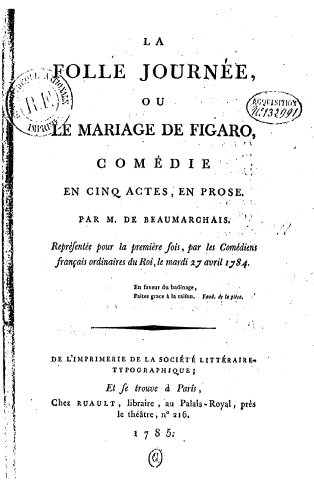
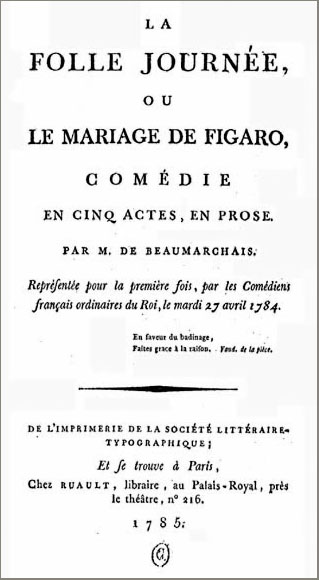
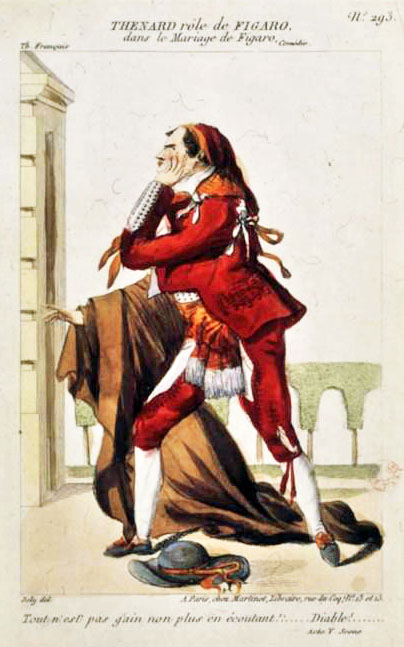
The Marriage of Figaro (French: La Folle Journée, ou Le Mariage de Figaro) is a five-act stage comedy by Pierre Beaumarchais. Written in 1778 and published in 1785, the play was first performed at the Théâtre Français on 27 April 1784. It achieved popular success and has remained one of the best-known dramatic works of the late 18th century. The play is customarily described as a comedy (comedy) that mixes farce, satire and social observation.
Image gallery
8 Images


Characters and structure
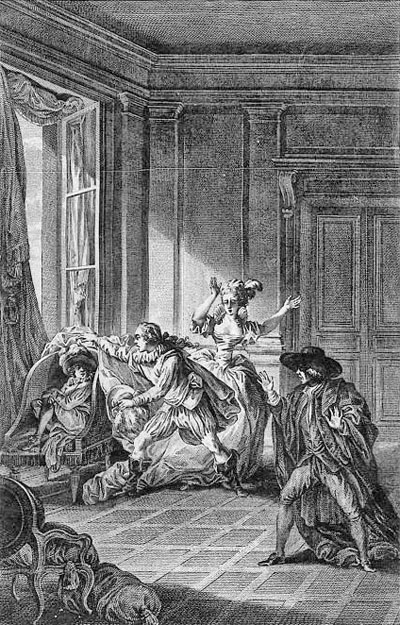
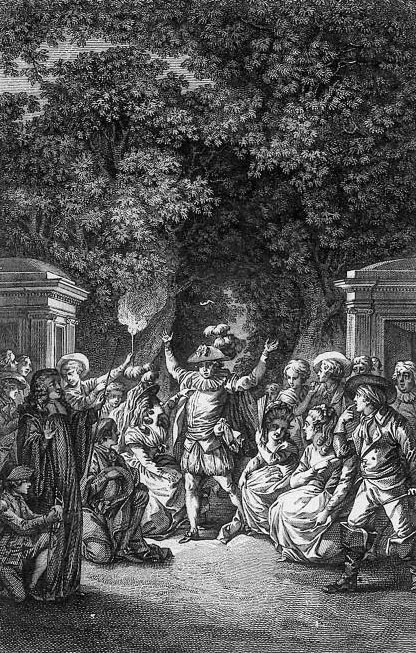
The principal roles include Figaro (a clever valet), Suzanne (his fiancée and maid), the Count Almaviva, the Countess Rosine, and the page Cherubino. A number of secondary figures — such as Marcellina and Dr. Bartolo — help drive the plot's intrigues. The action unfolds across five acts of rapidly shifting scenes, relying on disguises, mistaken identities and verbal sparring to create both comic energy and moral tension.
- Figaro — the resourceful servant
- Suzanne — Figaro's fiancée and the Countess's maid
- Count Almaviva — a nobleman whose authority is questioned
- Countess Rosine — a woman coping with marital estrangement
- Cherubino — an exuberant adolescent page
Historical context and reception
At the time of its composition, the play was notable for its sharp critique of aristocratic privilege and the juridical rights exercised by nobles. These elements made it politically controversial and it encountered censorship before public staging. When it reached the stage in 1784 it provoked lively debate and broad audiences, contributing to its reputation as a work aligned with several Enlightenment concerns about social hierarchy and personal liberty.
Themes, significance and adaptations
Major themes include class conflict, the tension between public rank and private feeling, gender relations and the use of wit as a form of social resistance. Its fast-moving plot and memorable characters also made the drama highly adaptable: the play provided the basis for Wolfgang Amadeus Mozart's famous 1786 opera "Le nozze di Figaro." It sits between Beaumarchais's earlier The Barber of Seville and the later The Guilty Mother, forming a loosely connected Figaro trilogy.
Notable facts
- The work blends comedy with pointed social satire and helped popularize the figure of the clever servant who outwits superiors.
- Its performance history has ranged from immediate public acclaim to moments of official disapproval, reflecting its political bite.
- Beyond Mozart's adaptation, the play has inspired numerous productions, translations and reinterpretations in theatre and music.
Related articles
Author
AlegsaOnline.com The Marriage of Figaro (play) Leandro Alegsa
URL: https://en.alegsaonline.com/art/98421