
The Merchant of Venice
An encyclopedic overview of Shakespeare's The Merchant of Venice: plot, main characters, themes, textual history, controversies and adaptations across stage, screen and opera.
The Merchant of Venice is a five-act play by William Shakespeare that combines elements of comedy, romance and courtroom drama. Likely written in the late 1590s, it draws on Italian novella sources, most notably the fourteenth-century tale tradition exemplified by Il Pecorone. The play is remembered for its dramatic contrasts, its memorable speeches and for the figure of Shylock, a Jewish moneylender whose portrayal has provoked centuries of debate.
Image gallery
10 Images






Plot and principal characters
The central action follows Bassanio, a young Venetian of limited means, who seeks funds to court Portia, the wealthy heiress of Belmont. His friend Antonio, a merchant whose melancholy is often remarked upon, borrows money from Shylock to finance Bassanio's journey. The loan is secured by a bond that entitles Shylock to a pound of Antonio's flesh if repayment fails. The narrative alternates between the legal peril Antonio faces in Venice and the trials of love and choice in Belmont, where Portia disguises herself and intervenes in a dramatic courtroom scene.
- Antonio – the merchant and friend whose fate catalyses the trial.
- Bassanio – suitor to Portia, whose need for money sets the plot in motion.
- Portia – intelligent heiress who uses wit and legal reasoning to resolve the crisis.
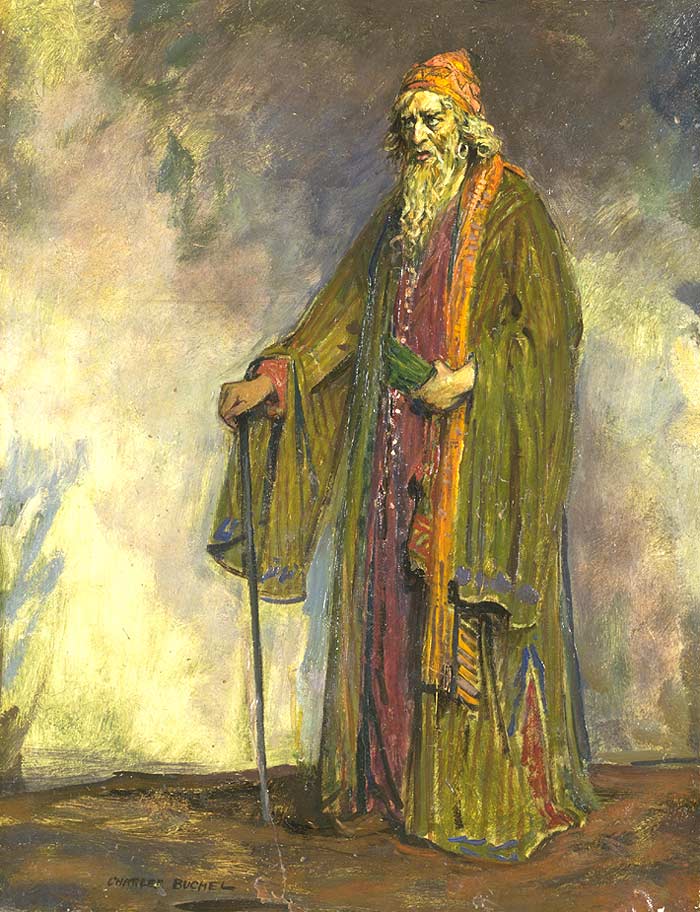
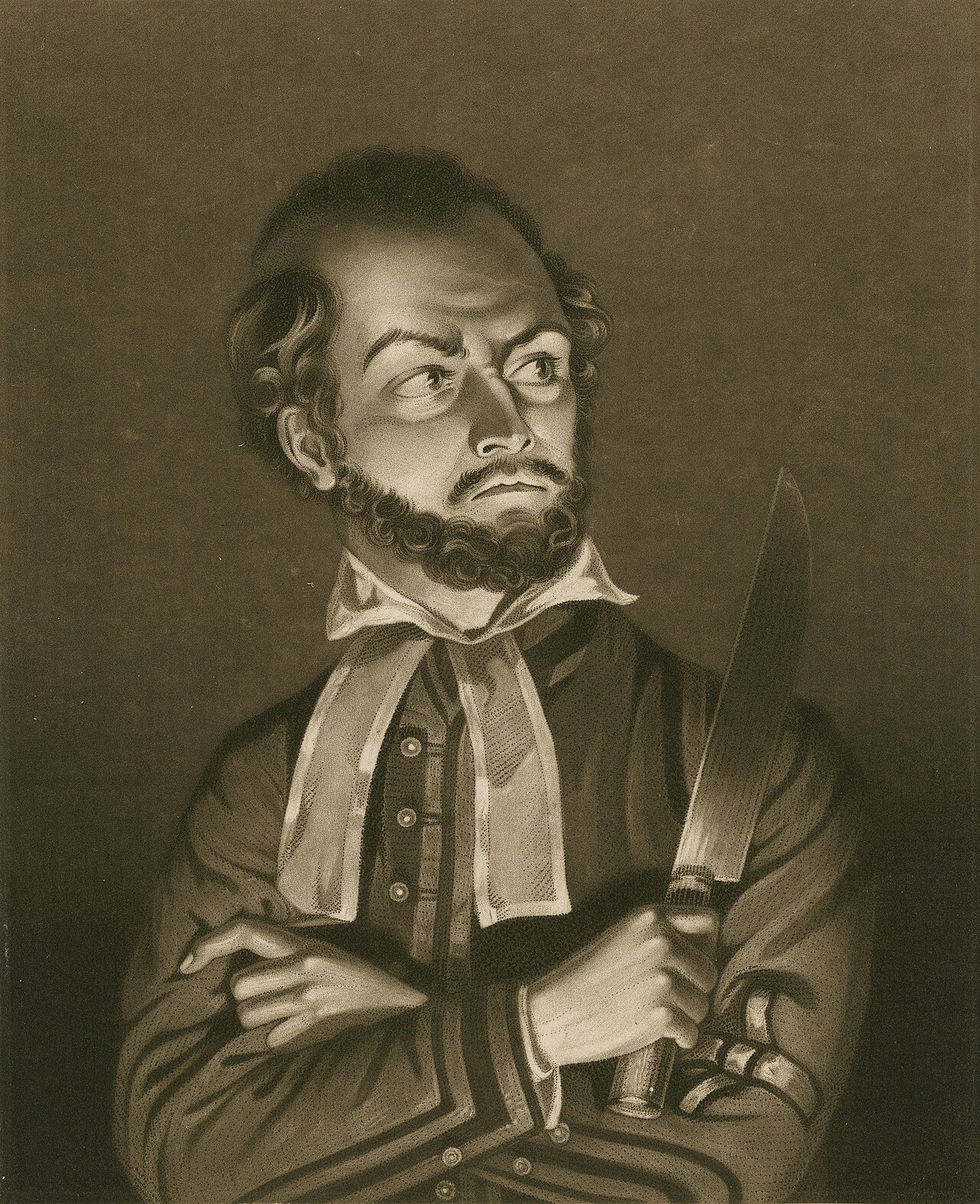
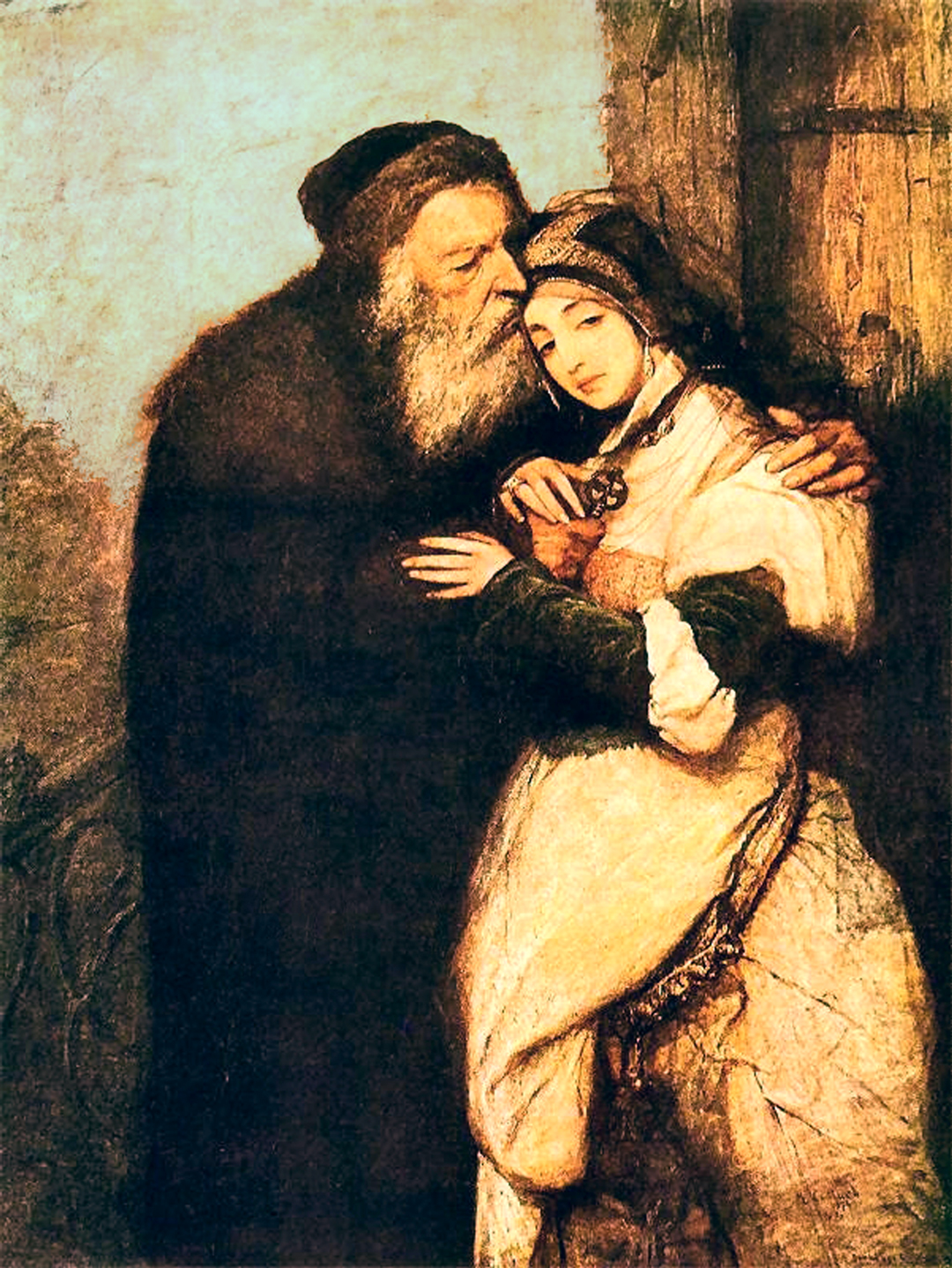
- Shylock – a complex and controversial figure whose motivations and treatment raise questions about prejudice and revenge.
- Other figures – including Portia's servant Nerissa, Bassanio's friend Gratiano, and other Venetians who represent social and legal norms of the play's world.
Themes, language and famous passages
The play explores themes of justice versus mercy, the binding force of contracts, friendship, identity and the social marginalization of minorities. Shakespeare mixes legal rhetoric, moral argument and lyrical passages to dramatize conflicting values; lines such as the so-called "quality of mercy" speech and Shylock's plea that "Hath not a Jew eyes?" are often cited in discussions of tolerance and exclusion. The work resists a single interpretation, since its comic resolution coexists uneasily with moments that read as tragic or condemning.
Textual history and sources
Material from Italian prose tales and dramatic convention informed the play's plot and characters. It first appeared in print in a quarto edition around 1600 and was later included in the 1623 First Folio. Scholars date composition to the late 1590s, with references to the play appearing in contemporary writings by the end of that decade. Textual variants across early editions and later theatrical adaptations have contributed to ongoing editorial work on the play.
Performance history and adaptations
The Merchant of Venice has a long stage history and has been adapted for television and film many times; it has also inspired several operatic settings. Directors and actors have repeatedly reinterpreted the characters, especially Shylock, to reflect changing social attitudes toward religion, ethnicity and law. Stagings range from traditional Renaissance settings to modern and experimental productions that foreground different aspects of the plot and themes.
Reception and continuing debate
Critical responses have varied: some readings view the play as a critique of antisemitism and a call for mercy, while others see it as reinforcing contemporary prejudices. Modern scholarship tends to place the play in its historical context, emphasizing both its literary artistry and the problematic depictions it contains. Because it raises enduring ethical and theatrical questions, The Merchant of Venice remains central to courses on Shakespeare, drama and cultural history.
Students and audiences encounter the play through editions that collate early texts and through performances that negotiate its difficult material. As theatrical practice and social values continue to evolve, new interpretations keep the play a subject of lively discussion and analysis.
Related articles
Author
AlegsaOnline.com The Merchant of Venice Leandro Alegsa
URL: https://en.alegsaonline.com/art/98451