
The Hunchback of Notre-Dame (Notre-Dame de Paris)
Victor Hugo's 1831 historical novel set in medieval Paris, examining love, social exclusion and the cathedral of Notre-Dame through characters such as Quasimodo, Esmeralda and Claude Frollo.
The Hunchback of Notre-Dame is a landmark 19th-century novel by Victor Hugo. Published as a French novel and commonly known by its original title Notre-Dame de Paris, it takes place in late 15th-century Paris and follows intertwined lives shaped by the great cathedral at the heart of the city. The book combines historical description, social critique and Romantic drama to explore how architecture and human fate interact.
Image gallery
3 Images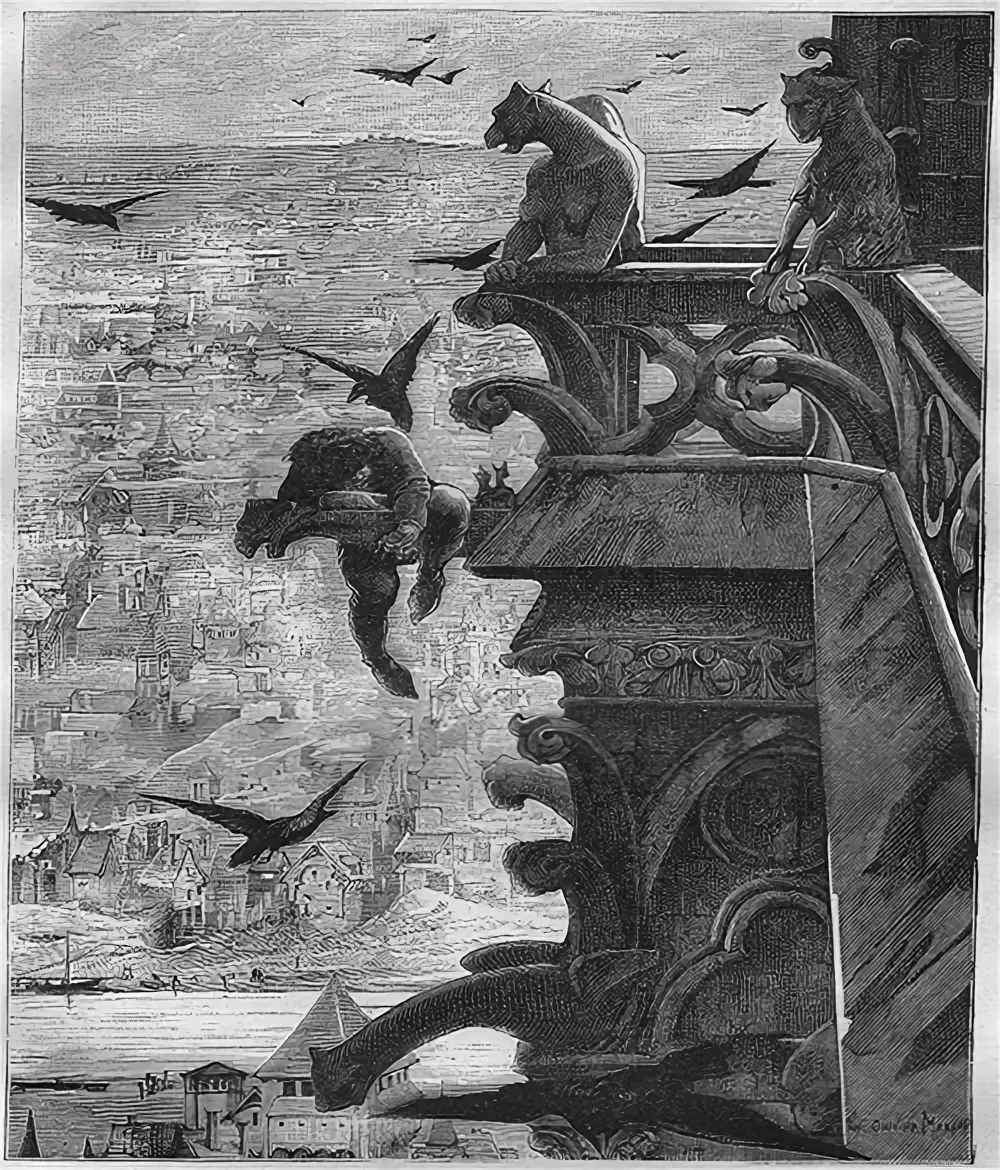

Overview and setting
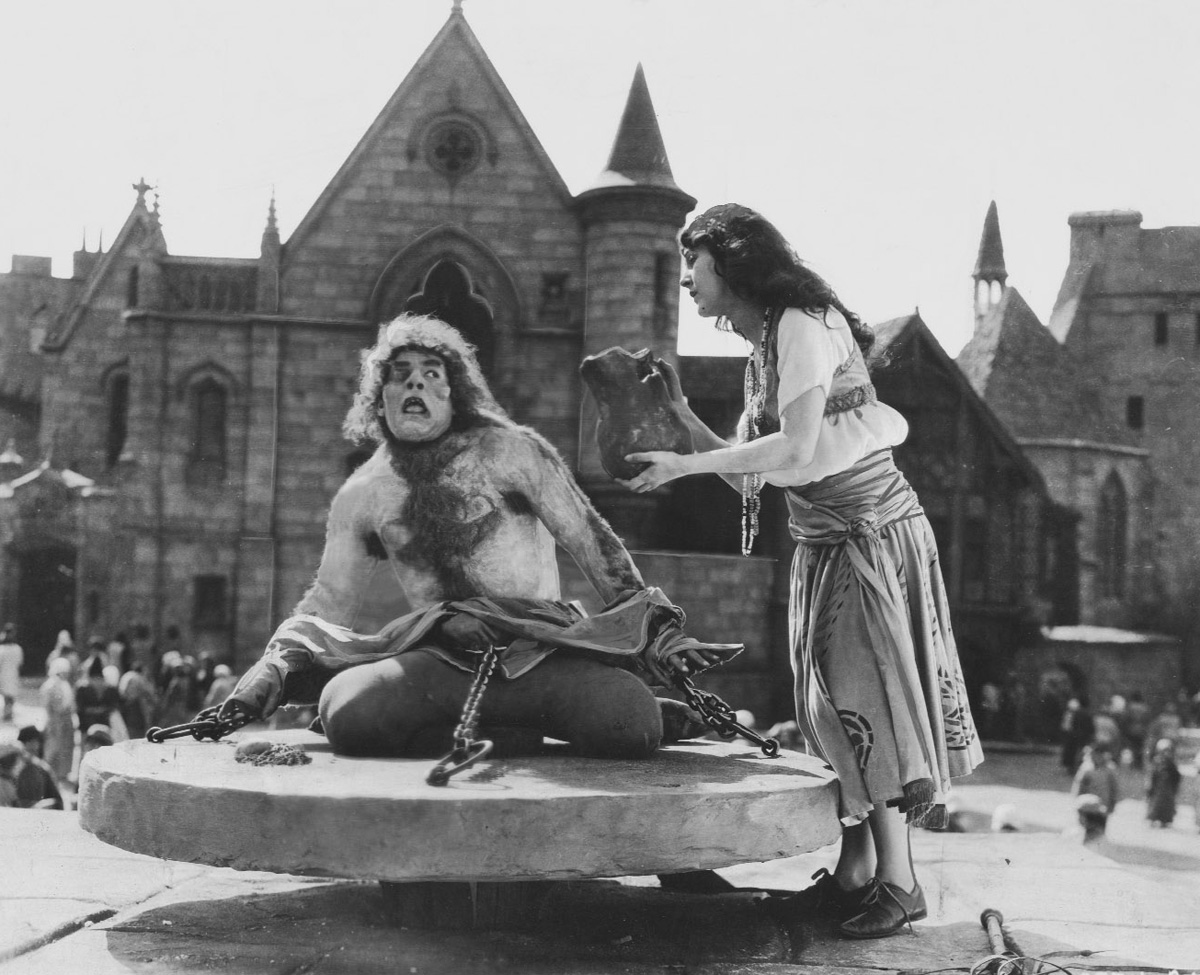
The narrative centers on a marginalized bell-ringer, Quasimodo, a compassionate but physically deformed man, and his unrequited devotion to a young Romani dancer, Esmeralda. They are caught in a tragic triangle with the obsessive archdeacon Claude Frollo and other citizens of Paris. Much of the story unfolds in and around the Notre-Dame cathedral, which Hugo treats almost as a character in its own right, emblematic of medieval craftsmanship and social order.
Characters and structure
- Quasimodo — the deaf bell-ringer whose appearance and strength contrast with his inner sensitivity.
- Esmeralda — a young dancer whose beauty and kindness attract both compassion and cruelty.
- Claude Frollo — an archdeacon torn between religious duty and destructive desire.
- Other figures — soldiers, gypsies, townspeople and officials who represent the social tensions of the period.
Themes and significance
Hugo's novel examines social marginalization, the conflict between reason and passion, and the symbolic power of buildings. As a Romantic work it emphasizes emotion, historical atmosphere and dramatic contrasts. It also contributed to a renewed popular interest in medieval architecture and heritage preservation, influencing later movements to restore historical monuments.
History and influence
First released as first published in 1831, the novel was part of a broader cultural moment that reevaluated the Middle Ages and advocated for the protection of historical monuments. Hugo used detailed description and archival material to reconstruct the Paris of the 1400s while addressing contemporary social issues of his own century.
Adaptations and legacy
The story has been adapted widely for stage, film and animation, ranging from faithful dramatic treatments to freely interpreted versions. Notable adaptations have emphasized different aspects — the horror of social exclusion, the romance, or the architecture itself — which attests to the book's flexibility and enduring appeal. The novel remains a principal reference when discussing Gothic revival, Romantic literature and cultural attitudes toward preservation.
Note: While Hugo's depiction mixes historical fact and fiction, the novel's portrait of people and place continues to shape modern perceptions of medieval Paris and of Notre-Dame as both a religious building and a cultural symbol.
Related articles
Author
AlegsaOnline.com The Hunchback of Notre-Dame (Notre-Dame de Paris) Leandro Alegsa
URL: https://en.alegsaonline.com/art/98180