
The Lion, the Witch and the Wardrobe
A classic children's fantasy by C. S. Lewis, first published as the initial Narnia book; it follows four siblings who enter the magical land of Narnia and confront themes of good, sacrifice and redemption.
The Lion, the Witch and the Wardrobe is a children's fantasy novel by C. S. Lewis. First published as a standalone volume in the mid-20th century, it became the best-known title of Lewis's sequence, The Chronicles of Narnia. The story follows four English siblings—Lucy, Edmund, Susan and Peter—who enter the magical realm of Narnia through the back of an old wardrobe and become involved in a conflict between a cruel winter-wielding ruler and a returning rightful king.
Image gallery
4 Images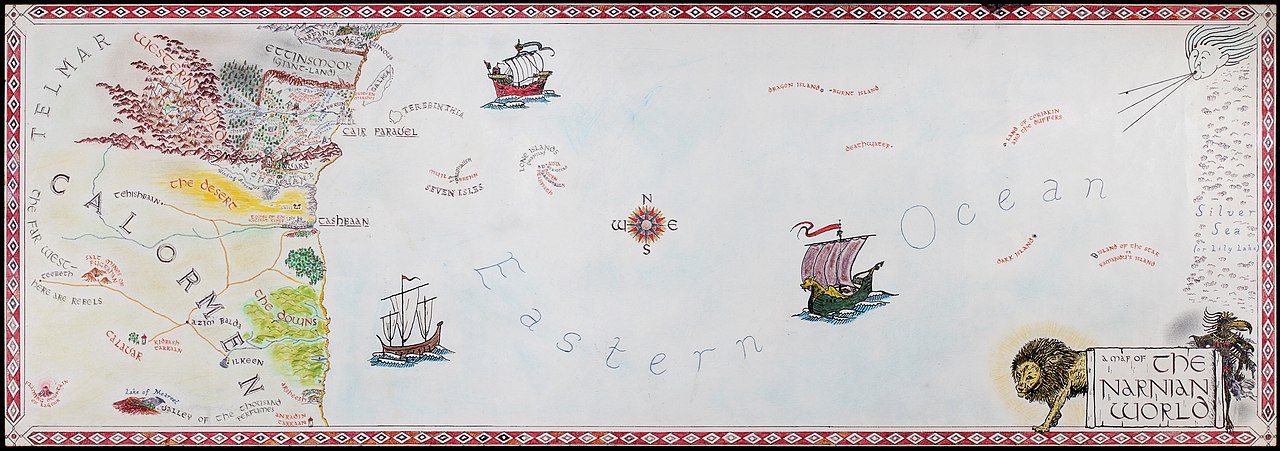
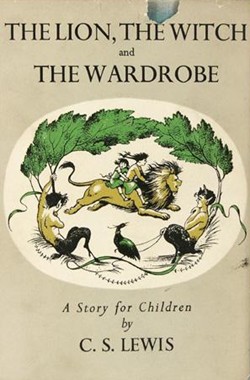


Overview
The novel blends fairy tale, myth and moral allegory. Designed for young readers, it pairs accessible storytelling with symbolic elements and references to classical and folk traditions. Lewis's prose moves between intimate domestic scenes in wartime Britain and broad, mythic episodes in the secondary world of Narnia, where animals talk, trees have wills and seasons reflect the moral state of the land.
Plot summary
The children, evacuated from London during wartime, take refuge in a country house and discover Narnia when Lucy hides inside an old wardrobe. Her siblings follow and soon learn that Narnia is under the rule of the White Witch, who has made the land always winter but never Christmas. As the story unfolds, Edmund betrays his siblings after encounters with the Witch, while the others join forces with talking creatures and rebels. The appearance of Aslan, a great lion with deep authority, shifts the conflict toward themes of sacrifice and justice: Aslan's actions and the subsequent battle lead to the downfall of the Witch and the restoration of Narnia to a season of hope and renewal. By the close, the Pevensie children are crowned as Narnian monarchs and rule until they return to their own world, changed by their experience.
Characters and motifs
- The Pevensie children: Lucy, Edmund, Susan and Peter, each representing different virtues, fears and stages of growth.
- Aslan: A powerful lion who embodies leadership, sacrifice and mercy; his role is central to the book's moral framework.
- The White Witch: The antagonist who imposes a cold, static order over Narnia.
- Supporting figures: Talking animals, fauns, centaurs and other mythical beings who populate Narnia and assist the children.
Themes and interpretations
Readers and critics often note themes of redemption, courage, loyalty and the nature of rightful authority. Many interpret the novel's sacrificial and restorative elements as reflecting the author's Christian convictions, though Lewis also drew on a wider palette of myths and folktales. The book encourages imaginative play while prompting reflection on moral choice, forgiveness and personal responsibility.
Publication, order and illustrations
Although later reading orders have arranged the seven Narnia books differently, this title was the first published and introduced readers to the series' tone and world-building. The novel was illustrated from early editions onward by artists closely associated with Lewis's work; those illustrations helped shape generations' visual imagination of the characters and settings.
Adaptations and legacy
The story has been adapted for stage, radio, television and film, and it remains widely read and taught. Its influence extends across children's literature and popular culture, and it continues to invite new editions, translations and critical discussion. For readers seeking further information about editions or the wider series, consult the principal book entry and the author's bibliography available through general reference sources: see the main book entry and related author page referenced above via the provided links.
Questions and answers
Q: Who is the author of The Lion, the Witch, and the Wardrobe?
A: The author of The Lion, the Witch, and the Wardrobe is C. S. Lewis.
Q: Where is the book set?
A: The book is set in an imaginary place called Narnia.
Q: How do the main characters enter Narnia?
A: The main characters enter Narnia through the back of a wardrobe (closet).
Q: What is the order of The Lion, the Witch, and the Wardrobe in the Narnia series?
A: The Lion, the Witch, and the Wardrobe is the second book by order in the Narnia series after The Magician's Nephew.
Q: Which book is the first one published in the Narnia series?
A: The Lion, the Witch, and the Wardrobe is the first book published in the Narnia series.
Q: Who are the main characters in The Lion, the Witch, and the Wardrobe?
A: The main characters in The Lion, the Witch, and the Wardrobe are brothers and sisters.
Q: Who leads the main characters into Narnia?
A: The back of a wardrobe (closet) leads the main characters into Narnia.
Related articles
Author
AlegsaOnline.com The Lion, the Witch and the Wardrobe Leandro Alegsa
URL: https://en.alegsaonline.com/art/98355