
The Lady of Shalott: Tennyson’s Arthurian Ballad and Its Legacy
An overview of Alfred, Lord Tennyson’s poem "The Lady of Shalott," its narrative, themes, structure, origins in Arthurian legend, and cultural influence in art and music.
Overview
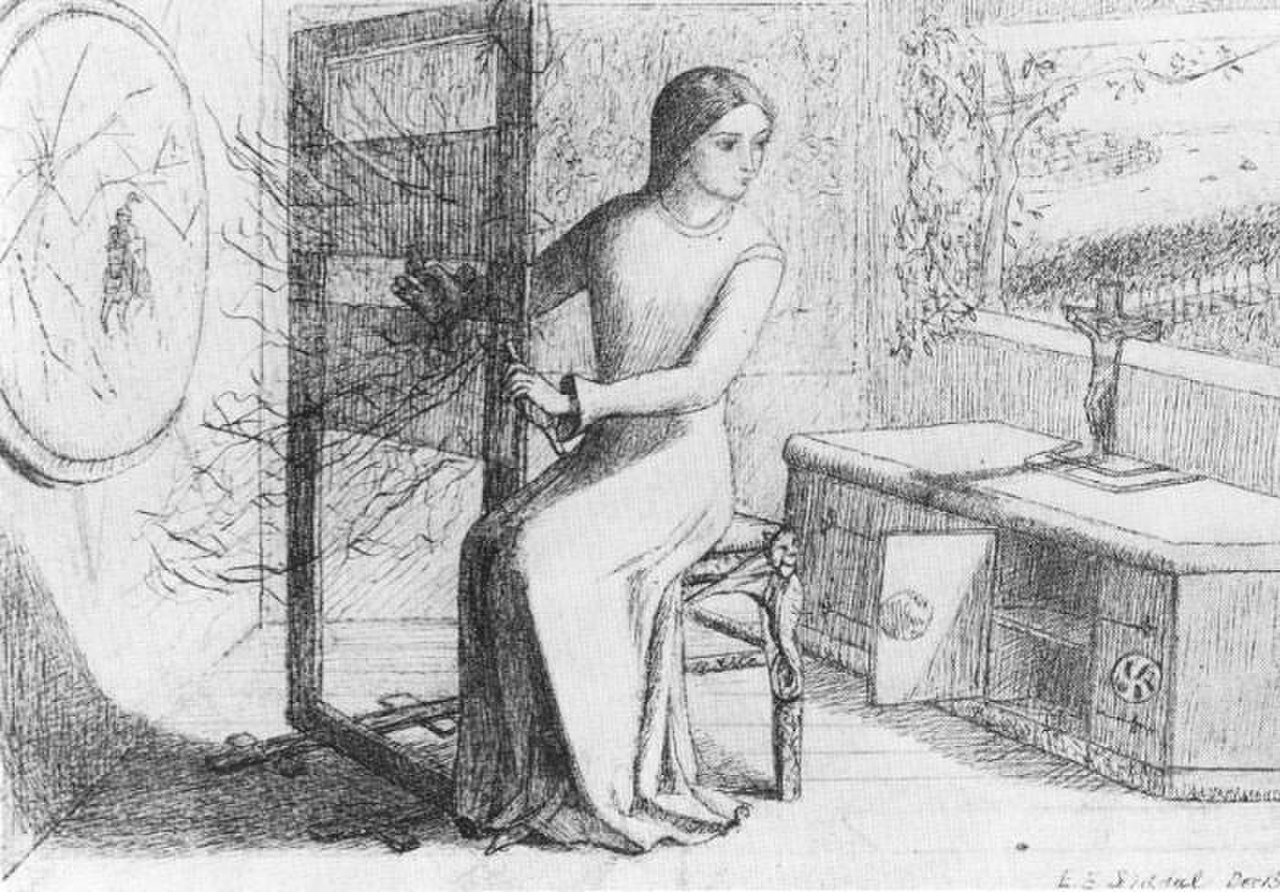
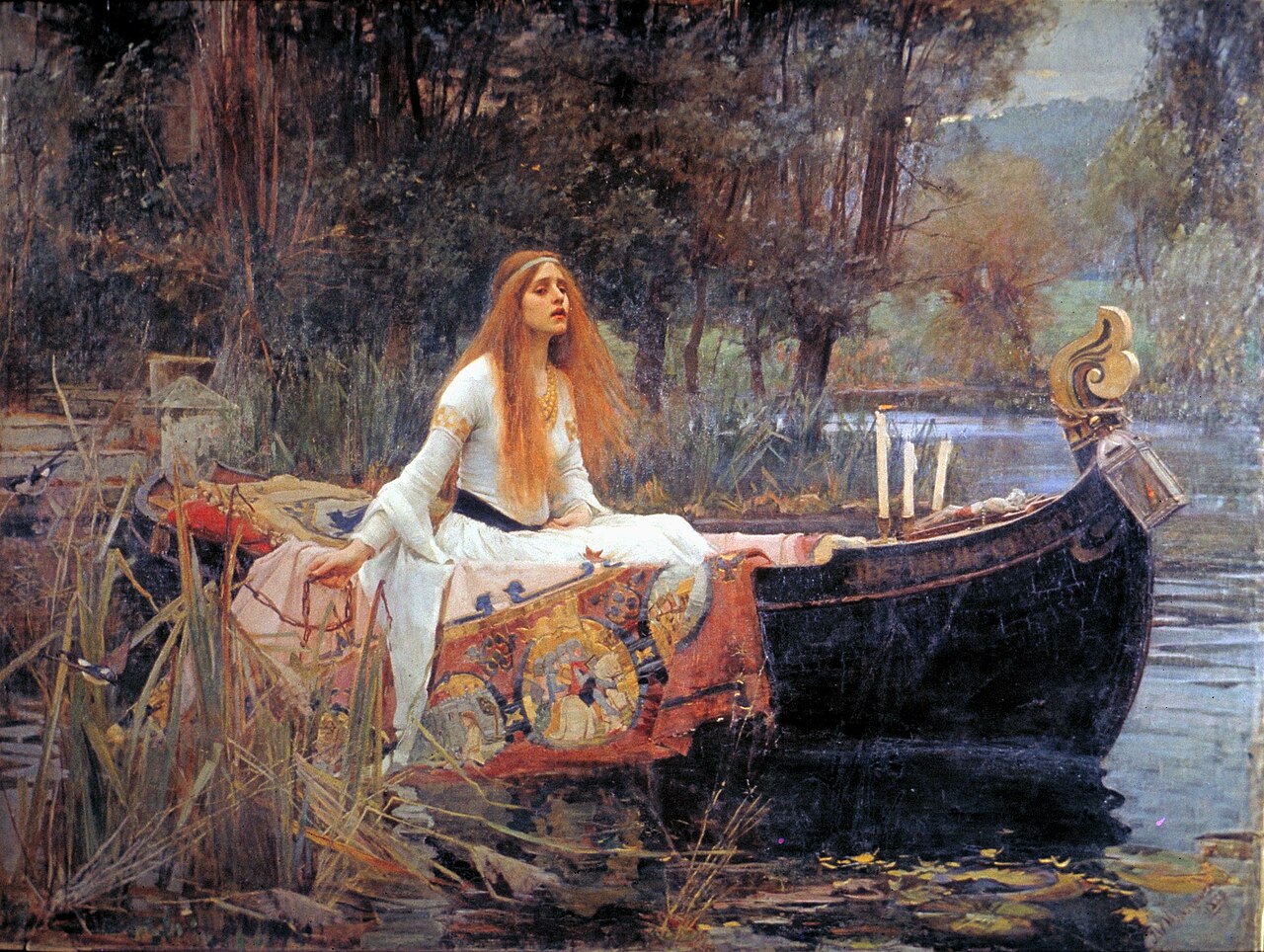
"The Lady of Shalott" is a narrative poem by Alfred, Lord Tennyson, first published in the early 19th century and revised in later editions. It tells of a solitary woman confined to an island near Camelot who is bound by a mysterious curse. She spends her days weaving images she sees only through a mirror and is forbidden to look directly toward the world outside. When she glimpses Sir Lancelot, she breaks the rule, which brings tragic consequences.
Image gallery
8 Images


Structure and imagery
Written in lyrical, rhyming stanzas, the poem uses a repeating refrain and vivid visual detail to create a dreamlike atmosphere. Central images include the mirror, the web or tapestry the woman weaves, the slow journey of her boat, and the contrasting bustle of Camelot. Light, color, and reflection play key roles in conveying the distance between art and life.
Themes and interpretations
The poem is commonly read as an exploration of artistic isolation, the tension between mediated experience and direct engagement, and Victorian attitudes toward gender and creativity. Critics have also emphasized its melancholic meditation on fate, freedom, and the cost of choosing reality over safety.
Origins and Arthurian context
The narrative draws on medieval sources and is associated with the tale of Elaine of Astolat from Arthurian tradition. Although Tennyson adapts and reimagines these motifs, the poem participates in 19th-century medievalism that romanticized chivalry and tragic love in a modern poetic form. See discussions of Tennyson and Arthurian themes here.
Influence and adaptations
- Popular among Pre-Raphaelite painters and Victorian illustrators.
- Set to music and referenced in theatre and film.
- Often anthologized as a representative example of Tennyson's early Arthurian work.
Because of its memorable imagery and ambiguous symbolism, "The Lady of Shalott" continues to invite fresh readings and artistic responses.
Related articles
Author
AlegsaOnline.com The Lady of Shalott: Tennyson’s Arthurian Ballad and Its Legacy Leandro Alegsa
URL: https://en.alegsaonline.com/art/98286