
The Ladder (magazine)
A pioneering U.S. lesbian magazine published by the Daughters of Bilitis from 1956–1972, The Ladder provided news, culture, fiction and organizing tools that helped build a national lesbian community.
Overview
The Ladder was the first nationally distributed lesbian publication in the United States. Published by the Daughters of Bilitis, an early lesbian civil and social organization, it appeared monthly from 1956 through 1970 and on a bimonthly schedule in 1971–1972. The magazine served both as a forum for literature and commentary and as a practical means for connecting women who had few other options for public exchange.
Image gallery
1 Image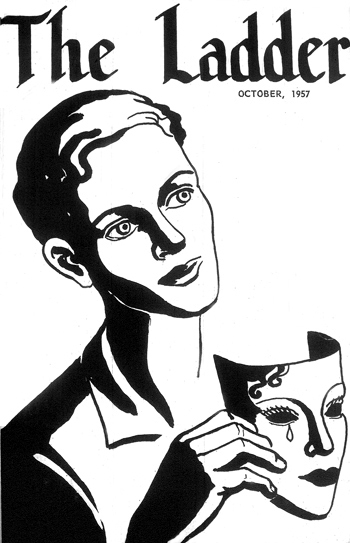
Content and format
Issues combined reporting, personal essays, poetry, fiction, reviews and letters. Regular features typically included community news, chapter reports, classifieds and advice columns. Editors balanced literary material with practical information to sustain readers across different regions and social backgrounds. To reach subscribers nationwide the magazine relied on mail distribution and chapter networks, often navigating postal scrutiny and social stigma in mid‑century America.
History and development
The Ladder was created as the official organ of the Daughters of Bilitis and reflected the organization’s evolving priorities. Early issues emphasized privacy, respectability, and building stable social networks. Over time its editorial stance broadened to include more outspoken commentary about rights, visibility and feminism, particularly after the late 1960s when wider social movements for civil rights and gay liberation influenced lesbian activism.
Impact and legacy
For many readers The Ladder was a primary point of contact with a larger lesbian community. It helped circulate ideas, announce meetings and campaigns, and gave writers a venue to publish work about lesbian lives. Copies of the magazine became important historical records of mid‑20th‑century lesbian experience and organizing, and preserved voices that were otherwise marginalized in mainstream media.
Typical features and notable facts
- News and chapter updates from the Daughters of Bilitis and allied groups
- Fiction, poems and literary criticism by and about lesbians
- Advice columns and classified ads that facilitated social connection
- Editorial debate over respectability, anonymity and political activism
The Ladder remains significant as an early instance of lesbian self‑publication and community building. Researchers, historians and activists consult its pages to trace cultural change, debates within lesbian communities, and the growth of organized lesbian political life. For further background on the magazine and its parent organization see the Daughters of Bilitis entry and historical overviews: The Ladder and Daughters of Bilitis.
Related articles
Author
AlegsaOnline.com The Ladder (magazine) Leandro Alegsa
URL: https://en.alegsaonline.com/art/98284
Sources
- afterellen.com : ""Back in the day" at afterellen.com" · archive.is