
The Kite Runner: Khaled Hosseini's debut novel
A clear, expanded encyclopedia-style article about Khaled Hosseini's The Kite Runner: plot, characters, themes, historical background, reception and adaptations.
The Kite Runner is a widely read 2003 novel by Afghan-American author Khaled Hosseini. Told in first person, it follows the life of Amir, a boy from a privileged household in Afghanistan, and his complicated relationship with Hassan, the son of the household servant. The story spans several decades and locations, exploring friendship, betrayal, guilt, and the possibility of redemption against the backdrop of major political changes.
Image gallery
5 Images
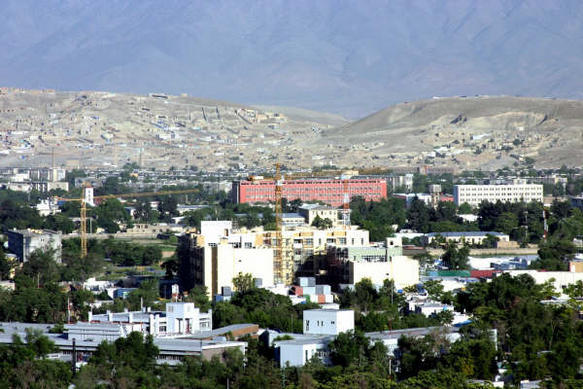

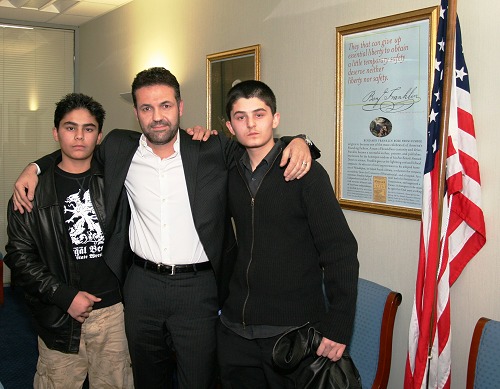

Plot overview
The narrative begins in Kabul during the 1970s and moves forward through the Soviet intervention and the rise of the Taliban. As children, Amir and Hassan spend much of their time together flying kites and running errands. A traumatic violent episode involving Hassan and a group of local bullies changes their relationship forever: Amir responds with fear and shame, an act that haunts him into adulthood. Political turmoil forces Amir and his father to emigrate to the United States, where they attempt to build new lives. Years later, an old friend summons Amir back to help Hassan’s son, and a path toward atonement unfolds amid the dangers of wartime Afghanistan.
Major characters and roles
- Amir — the narrator; born to a prominent family, he is a sensitive, literary-minded boy who struggles with courage and conscience. (See education and literary interests.)
- Hassan — loyal and selfless; a Hazara who serves the household and endures social prejudice. His physical and social vulnerabilities, including a harelip in the story, shape key events. (Background: Hazara identity.)
- Baba — Amir’s father, a complex figure whose values and expectations exert strong pressure on Amir. (Related: Baba and father-son dynamics.)
- Rahim Khan — a family friend whose later request becomes the catalyst for Amir’s return. (See family revelations.)
- Assef — an antagonist whose cruelty and extremist turn symbolize broader social decay. (Referenced: assault and violence.)
Themes, style, and structure
Hosseini’s storytelling combines intimate personal memory with sweeping historical events. The novel examines ethnic tensions within Afghan society, especially the marginalization of Hazaras, and the moral costs of cowardice and silence. Symbols such as kite flying and the physical act of running after kites are used repeatedly to signify innocence, victory, loss, and eventual hope. The prose is accessible and emotionally direct, which contributed to the book’s broad appeal among general readers and book-club audiences.
Historical and cultural context
Set against upheaval in Afghanistan — from relative pre-war stability to foreign invasion and later extremist rule — the novel situates personal stories within larger political changes such as the Soviet intervention and refugee migration. Many readers have noted how the immigrant experience portrayed in the story reflects shifts in identity and belonging after relocation to the United States. The narrative also touches on Afghan social hierarchies and how those hierarchies are affected by war and exile. Discussions of Western influence and attitudes toward Afghanistan sometimes reference American politics and cultural icons as points of contrast and aspiration (see Western political context).
Reception, adaptations, and legacy
Upon publication the novel became a bestseller and introduced international readers to contemporary Afghan life through a personal lens. It has been translated into multiple languages and adapted for film and stage, sparking conversation about representation, historical memory, and the ethics of storytelling. Critics and readers have praised its emotional power while also debating its portrayal of ethnicity, class, and the limits of narrative redemption. The book continues to be used in classrooms and reading groups to prompt discussions about guilt, forgiveness, and the long-term effects of political upheaval.
For further reading about publication details and critical responses, see the original publication entry (publication) and resources on post-1970s Afghan history around Kabul. Additional materials on diaspora experiences and refugee narratives are available through literary and historical archives (Afghanistan, United States). To study specific character arcs and later plot developments, consult summaries and analyses that discuss the return to Afghanistan, the rescue of Hassan’s son Sohrab and the confrontation with Assef in the novel’s later sections. Primary interviews and author notes can be found through publisher and author resources (Khaled Hosseini, family revelations).
Questions and answers
Q: Who wrote The Kite Runner?
A: The Kite Runner was written by Afghan-American Khaled Hosseini.
Q: What is the relationship between Amir and Hassan?
A: Amir and Hassan grow up together in Afghanistan like brothers, although they come from different backgrounds. Amir is the son of a wealthy businessman and a Sunni Muslim, while Hassan's father Ali is a servant to Amir's father and he is a Sh'ia Muslim and a Hazara. Despite their differences, they are devoted to each other as friends.
Q: What happens when Hassan refuses to give Assef his kite?
A: When Hassan refuses to give Assef his kite that he found for Amir, three bullies led by Assef beat him and rape him while Amir hides in fear.
Q: How does Rahim Kahn have a close friendship with Amir?
A: Neither boy has a mother, but Baba's friend Rahim Kahn has a close friendship with Amir. They spend their boyhoods roaming the streets of Kabul together.
Q: Why do Amir and his father flee Afghanistan?
A: The Soviet invasion of Afghanistan sends Amir and his father escaping to the United States because Amir's father had been known to curse the Communists and had strong admiration on Ronald Reagan.
Q: Why does Rahim Kahn call back an adult Amir to Afghanistan?
A: An adult Amir is called back to Afghanistan by terminally ill Rahim Khan so that he can rescue Hassan's son Sohrab when Rahim reveals that he and Hassan are actually half-brothers because his father secretly had sex with Hassan's mother.
Q: How does Sohrab save an injured Amri from Assef?
A: When rescuing Sohrab, Amri gets severely beaten by Assef until Sohrab saves him by firing a slingshot at Assef's eye.
Related articles
Author
AlegsaOnline.com The Kite Runner: Khaled Hosseini's debut novel Leandro Alegsa
URL: https://en.alegsaonline.com/art/98278
Sources
- doi.org : 10.2307/40158636