
The Last of the Mohicans
James Fenimore Cooper's 1826 historical novel set during the French and Indian War. A foundational American frontier story with enduring characters, themes of identity and violence, and many film and stage adaptations.
Overview
The Last of the Mohicans is a historical adventure novel first published in 1826 by James Fenimore Cooper. It forms part of Cooper's Leatherstocking Tales and is one of the earliest American novels to dramatize frontier life. The narrative blends action, romance and moral reflection while locating its characters amid the struggle between British and French forces in North America.
Image gallery
8 Images


Setting and plot outline
The story takes place in the northeastern frontier of what is now New York during the mid-eighteenth century, at the height of the conflict often called the French and Indian War. Its central action follows the perilous journey and clashes that arise when frontier scouts and their Native allies attempt to escort and protect two young women, the Munro sisters, through hostile territory. The plot combines battle scenes, ambushes, and rescue attempts with quieter passages about the landscape and survival.
Characters and themes
- Natty Bumppo (Hawkeye) — the white frontier scout who epitomizes a kind of rugged individualism.
- Chingachgook and Uncas — a father-and-son pair of Mohican Indians whose friendship with Hawkeye is central to the tale.
- Cora and Alice Munro — the two sisters whose destinies and differing temperaments help frame the novel’s moral choices.
Major themes include the collision of European empires on Native lands, different cultural codes of honor, the ethics of warfare, and the romanticized idea of the American wilderness. Cooper juxtaposes civilization and nature, and invites readers to consider identity, loyalty and cultural change on the frontier.
Historical context and reception
When it appeared the novel was notable for using recent colonial history as dramatic background. Contemporary and later readers praised its vivid action and scenic description while criticizing the prose style and certain character portrayals. In modern scholarship the book is read both as a foundational national myth and as a text that reflects the prejudices and assumptions of its era, particularly in its depiction of Native American characters. Interpretations vary, and the work continues to be studied in American literature courses.
Adaptations and legacy
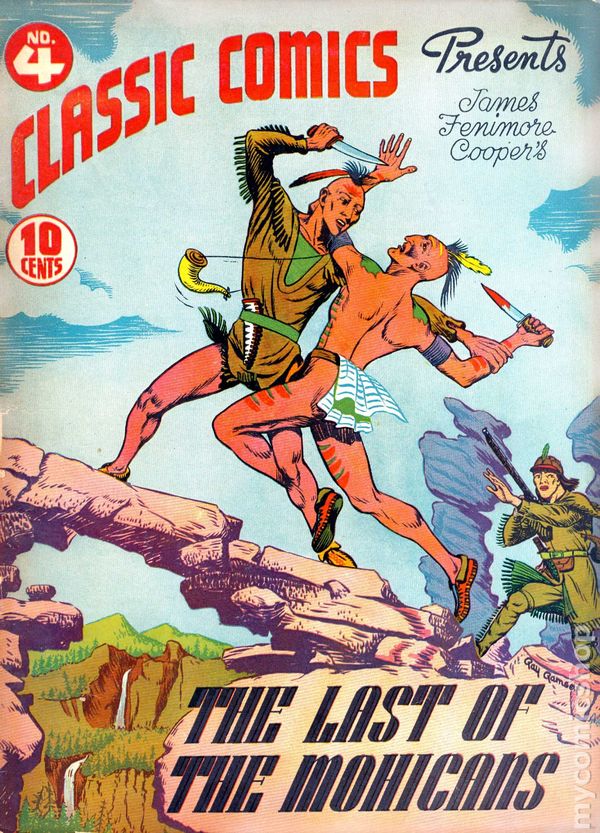
The Last of the Mohicans has inspired numerous adaptations in film, stage and television, from early cinematic serials and mid-century studio versions to a well-known 1992 feature film. Popular retellings and dramatizations — including early film serials and television adaptations — have reshaped the story for new audiences, often emphasizing romance and spectacle over historical detail. The book’s memorable names and scenes have entered broader cultural awareness and continue to influence portrayals of the colonial frontier.
Notable facts and distinctions
The novel’s title refers to lineage and loss: it evokes a sense of terminal decline for a family or way of life in the face of colonial pressures. Though the book is commonly read alone, it is most fully understood as part of the Leatherstocking sequence, which follows Natty Bumppo at different stages of life. Readers approaching the work today often balance appreciation for its narrative energy with critical attention to its historical perspective and representational limits.
Related articles
Author
AlegsaOnline.com The Last of the Mohicans Leandro Alegsa
URL: https://en.alegsaonline.com/art/98307
Sources
- imdb.com : International Movie Database