
Beach Movie (Beach Party Film Genre)
A lighthearted American film genre of the late 1950s–1960s centered on teenagers, surf culture, music and summer leisure, notable for its music, comedy and recurring stars.
Overview
The beach movie, often called the beach party film, is a popular American cinematic subgenre that emerged in the late 1950s and reached its peak during the early 1960s. It combined comedy, musical numbers and teen romance against a sunny coastal backdrop. The cycle is commonly traced to the release of Gidget, starring Sandra Dee, and is often said to have run through a series of lively releases until films such as Catalina Caper closed the mainstream cycle in the late 1960s. Scholars and fans discuss the films under the broad heading of the beach movie genre.
Image gallery
3 Images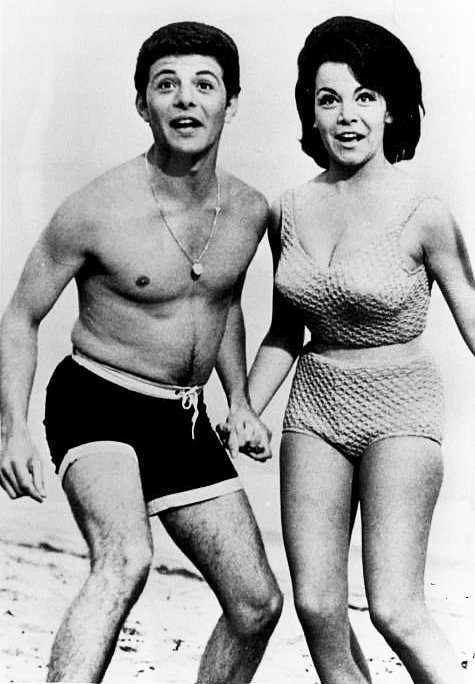


Typical characteristics
Beach movies are recognizable by a small set of recurring elements: young, carefree protagonists, seaside settings, and plots built around romance, rivalries and light comedy. Common motifs include sun-drenched boardwalks, surfboards and swimming, spontaneous musical performances, and an emphasis on fashion such as bikinis. Sports and vehicles — from surfing to scooters and motorcycles — appear frequently, alongside scenes of dancing, parties and diner hangouts. The soundtracks often mix contemporary pop and rock and roll with the instrumental strains of surf music, which helped define the films’ energetic mood.
Origins and production
The beach film grew from postwar youth culture, rising leisure class prosperity, and the popularity of surfing on the Pacific coast, particularly in places like California and Hawaii. Production companies — most notably the low-budget studios that specialized in youth pictures — produced tightly budgeted comedies that relied on charismatic performers, catchy songs and repetitive, crowd-pleasing scenarios. A string of pictures starring teen idols such as Annette Funicello and Frankie Avalon became emblematic of the cycle, often delivered in series that reused sets, stock characters and musical guests.
Cultural role and decline
At their height, beach movies offered a sanitized, optimistic image of teenage life and leisure, projecting a friendly vision of social interaction centered on music and recreation. They helped popularize surf culture and introduced musical acts to wider audiences. By the mid-to-late 1960s, however, audience tastes shifted. The British Invasion in music, rising countercultural attitudes, and a move toward more challenging cinema made the breezy beach formula feel dated. As social commentary and grittier storytelling came to the fore, studios reduced production of straightforward beach comedies.
Notable examples and legacy
- Gidget (1959) — credited with popularizing the surf/teen romance premise.
- Beach Party (1963) and its sequels — the best-known examples of the AIP cycle.
- Muscle Beach Party, Bikini Beach, Beach Blanket Bingo — titles that illustrate the recurring themes and marketing style.
- Catalina Caper (1967) — often cited as one of the last mainstream entries of the trend.
Although the original run of beach movies waned, their influence persists. Elements such as surf aesthetics, pop-driven soundtracks, and teen-centered summer storytelling return periodically in later films, television and advertising. Contemporary nostalgia for 1960s style and music keeps interest alive, and the beach movie remains a reference point for how mid-century American cinema portrayed youth, leisure and popular music.
Related articles
Author
AlegsaOnline.com Beach Movie (Beach Party Film Genre) Leandro Alegsa
URL: https://en.alegsaonline.com/art/9786