
Frankie Avalon: singer and actor best known for 1960s beach films
Frankie Avalon (born Francis Thomas Avallone) is an American singer and actor who rose to fame as a 1950s–60s teen idol and starred in popular beach films and hit recordings.
Frankie Avalon, born Francis Thomas Avallone in Philadelphia on September 18, 1939, is an American entertainer whose work spans popular music, film, television and live performance. He established himself both as an actor and a singer, becoming widely recognized by young audiences in the late 1950s and throughout the 1960s.
Image gallery
5 Images


Music career
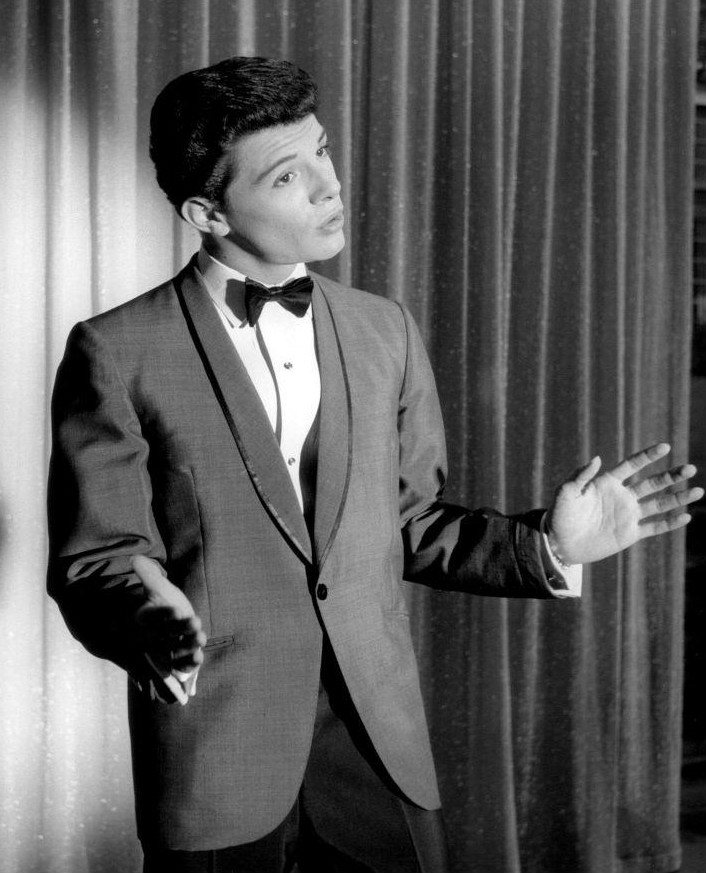
Avalon began recording in the 1950s and achieved commercial success with a string of melodic pop singles that appealed to teen listeners. His smooth vocal style and romantic ballads were characteristic of the era and helped him cross over from radio to television and film. Some of his notable songs include:
- "Venus"
- "DeDe Dinah"
- "Why"
Film and screen persona
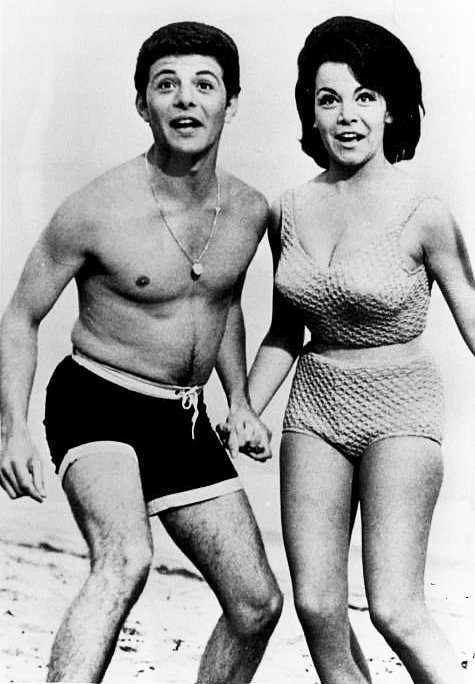
In cinema Avalon became most closely associated with a series of lighthearted beach-themed movies released in the early 1960s. Those films blended music, comedy and youth culture and helped define a recognizable on-screen persona: affable, clean-cut and appealing to teenage audiences. The beach pictures of the 1960s paired him with well-known co-stars and casual, contemporary storylines that emphasized surfing, dancing and pop music.
Beyond those roles he appeared in other film and television projects and occasionally returned to acting in later decades. His work in both music and film made him a familiar figure in mid-20th-century American popular culture.
Frankie Avalon was widely promoted and admired as a teen idol at the height of his popularity. That label reflected both his fan base and the marketing of the time: youthful looks, romantic songs and an image suited to the teen market. The teen-idol phenomenon of that era helped launch many performers into sustained careers across media.
In his later career Avalon continued to perform in concert and nostalgia shows, made guest appearances on television, and participated in reunions and retrospectives of the period. His legacy rests on the combination of hit singles, memorable screen roles and his status as one of the recognizable entertainers who shaped the pop culture of the late 1950s and early 1960s.
Related articles
Author
AlegsaOnline.com Frankie Avalon: singer and actor best known for 1960s beach films Leandro Alegsa
URL: https://en.alegsaonline.com/art/119102
Sources
- nytimes.com : "Frankie Avalon: About This Person"