
Beautiful Girls (1996 film)
Beautiful Girls (1996) is an American romantic comedy–drama about a small-town reunion and the anxieties of adulthood, directed by Ted Demme and featuring an ensemble cast including Matt Dillon and Natalie Portman.
Overview
Beautiful Girls is a 1996 American romantic comedy-drama that centers on a group of friends who return to their Massachusetts hometown for a reunion. The film uses an ensemble approach to explore questions about commitment, friendship and the transition from youthful freedom to adult responsibility. Its tone mixes humor with melancholy, foregrounding conversations and small moments rather than high-stakes plotting. The setting and the reunion framework provide a way to examine nostalgia, life choices and the uneven pace at which different characters move into the next phase of life.
Image gallery
2 Images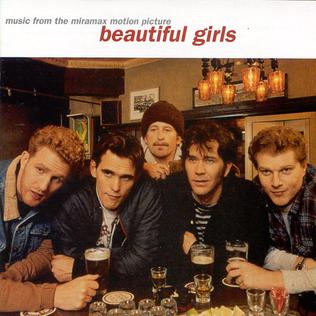

Cast and principal contributors
The film assembled a varied ensemble of established and up-and-coming performers. It was directed by Ted Demme and is often discussed for its actor-centered scenes and naturalistic dialogue. Principal cast members include:
- Matt Dillon
- Rosie O'Donnell
- Mira Sorvino
- Natalie Portman
- Annabeth Gish
- Lauren Holly
- Michael Rapaport
- Uma Thurman
Plot elements and themes
Rather than relying on a single dramatic event, the film unfolds through a series of encounters and conversations during the weekend of the reunion. Characters face anxieties about relationships, career stagnation and the uneven responsibilities of adulthood. Themes include the tension between small-town attachment and larger ambitions, the persistence of adolescent patterns in adult life, and the ways people reassess romantic ideals as they age. The screenplay emphasizes dialogue and character beats, allowing different scenes to spotlight individual dilemmas and moments of grace or embarrassment.
Production and release
Produced and released in the mid-1990s, the film opened in February 1996 and drew attention for blending mainstream release with an independent sensibility that privileged performance and mood. Direction and casting were frequently cited in contemporary reviews as key strengths. The movie's use of a recognizable American small-town milieu and a weekend reunion structure helped reviewers link it to broader 1990s trends in ensemble films that examine adult friendships.
Reception and legacy
Contemporary critics generally praised the performances and the film's bittersweet tone, while some observers noted its episodic structure and emphasis on character moments over plot. It is often remembered for showcasing several actors who were at different stages in their careers and for its candid, conversational approach to romantic and interpersonal issues. Over time the film has been referenced in discussions of 1990s ensemble dramas and as an example of a film that balances comedy with reflective drama.
Further information
For biographical or career details on key contributors and cast members, see pages about the director and performers: Ted Demme, Matt Dillon, Rosie O'Donnell, Mira Sorvino, Natalie Portman, Annabeth Gish, Lauren Holly, Michael Rapaport and Uma Thurman. Additional production or distribution context may be found at resources linked under genre and filmography entries: direction and production notes and general genre references romantic comedy-drama. For cast-focused reading, consult the dedicated pages for performers such as Rosie O'Donnell and Natalie Portman.
Credits and cast listings for the film can be checked through archival and filmography resources associated with the contributors: Mira Sorvino, Annabeth Gish and Michael Rapaport provide additional entry points into the film's ensemble context.
Related articles
Author
AlegsaOnline.com Beautiful Girls (1996 film) Leandro Alegsa
URL: https://en.alegsaonline.com/art/9935