
The Carolinas: North and South Carolina — geography, history, and culture
An overview of the Carolinas — North and South Carolina — covering geography, colonial and modern history, economy, culture, and distinctions between the two states.
Overview
The term "Carolinas" refers collectively to the U.S. states of North Carolina and South Carolina. Located on the southeastern Atlantic coast of the United States, the two states share related histories and cultural ties but differ in topography, economy and settlement patterns. Together they form a region that ranges from mountain forests to wide coastal plains and barrier islands.
Image gallery
4 Images


Historical development
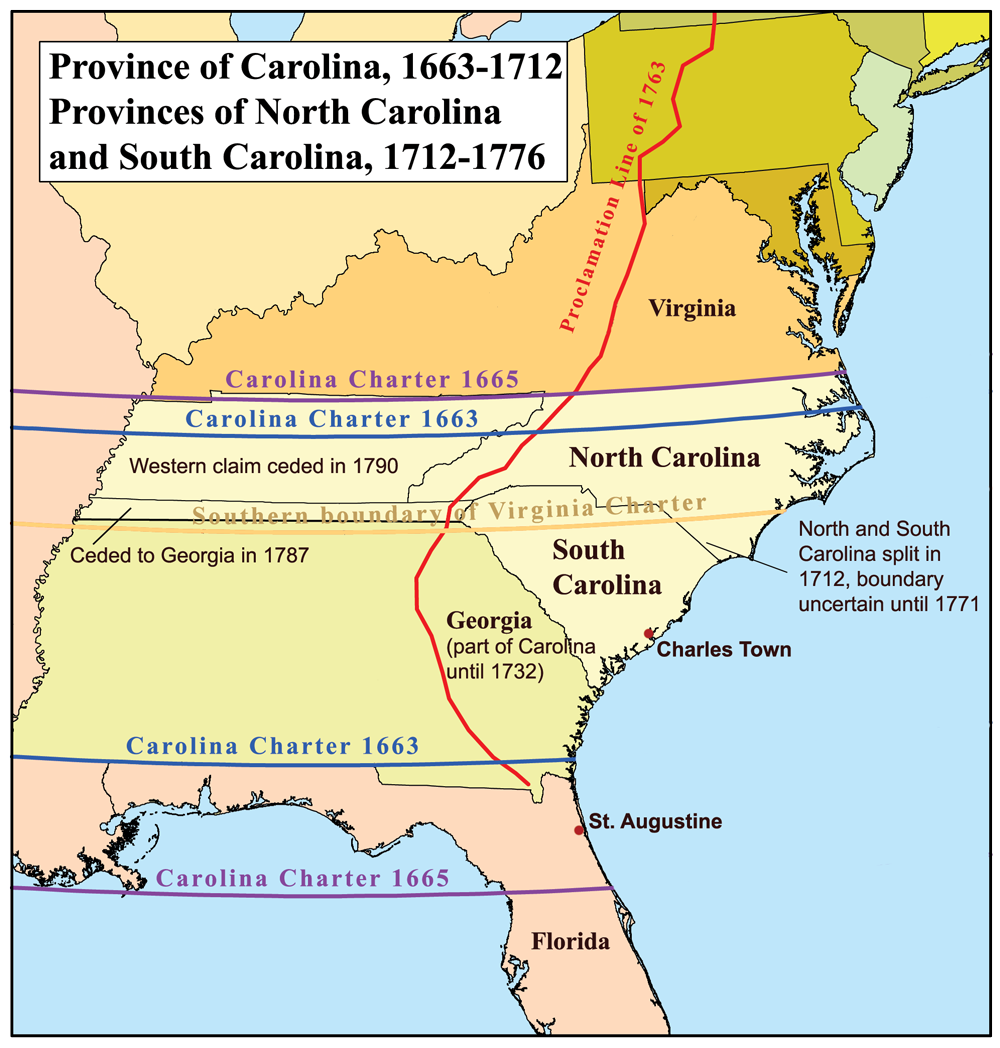
Both colonies were part of the original Thirteen Colonies established by European settlers in North America. The Province of Carolina was first granted in the 17th century and over time divided into northern and southern jurisdictions for administrative reasons; the split became permanent in the early 18th century. Colonial economies diverged: the Lowcountry of the south developed plantation crops and a large enslaved population, while northern areas were more agrarian with many small tobacco farms and scattered settlements. During the American Revolution the colonies rebelled against the British Empire and joined the independence movement alongside other colonies. The conflict concluded with diplomatic agreements involving France and the United States, culminating in peace terms set out in the Treaty of Paris (1783).
Geography and economy
The Carolinas span several distinct natural zones. In the west, the Appalachian foothills and higher peaks provide forested landscapes and cooler climates; central areas give way to rolling Piedmont with urban centers and industry; the east consists of coastal plains, marshes and barrier islands. Historically important industries included tobacco, rice, indigo and timber. In modern times both states host diverse economies: banking and finance are prominent in metropolitan centers, technology and research clusters attract investment, tourism thrives on beaches and historic towns, and agriculture remains significant in rural counties.
Culture, institutions and society
Culturally the Carolinas blend Southern traditions with coastal and mountain influences. Regional cuisine ranges from distinctive barbecue styles to Lowcountry recipes featuring rice and seafood. Music and folk traditions include bluegrass, old-time and coastal "beach music." Major universities and research institutions contribute to education and innovation, while military installations and ports are important to local and national infrastructure. The states also preserve many historic towns and landscapes that reflect colonial, antebellum and industrial eras.
Key distinctions and notable facts
- Topography: North Carolina extends farther into the Appalachian Mountains; South Carolina has a longer history tied to coastal plantations and the Lowcountry.
- Urban centers: Each state has its own economic hubs and metropolitan areas that shape policy and culture.
- Historic sites: Both states contain important colonial and early American landmarks, coastal forts, and preserved districts that draw visitors and scholars.
- Science and innovation: Research parks and universities form important parts of the modern economy in both states.
Importance and continuing relevance
The Carolinas play a significant role in the southeastern United States because of their combined population, economic output, and cultural influence. They illustrate major themes of American history — from colonial settlement and transatlantic commerce to the struggle for independence and subsequent economic transformation. Today the region balances preservation of historic character with growth in technology, finance, education and tourism, making it an area of ongoing social and economic importance.
For further reading about each state’s government, education systems, and specific historic events, consult state resources and historical overviews that focus separately on North Carolina and South Carolina, and on broader colonial-era histories of the Thirteen Colonies and diplomacy involving the British Empire, France and the United States leading to the Treaty of Paris (1783).
Related articles
Author
AlegsaOnline.com The Carolinas: North and South Carolina — geography, history, and culture Leandro Alegsa
URL: https://en.alegsaonline.com/art/97729