
The bush (remote natural areas and rural woodland)
The bush describes sparsely populated natural land—woodland, scrub, or remote countryside—used in several English-speaking regions. It carries ecological, cultural, and practical meanings depending on place.
The bush is an informal term for areas of natural vegetation and sparsely inhabited countryside, commonly used to mean land away from towns and cities. Its sense ranges from scrubby woodland and heath to vast open country, and it often implies a setting shaped mainly by native plants, wildlife, and traditional rural activities rather than urban development.
Image gallery
6 Images


Regional meanings
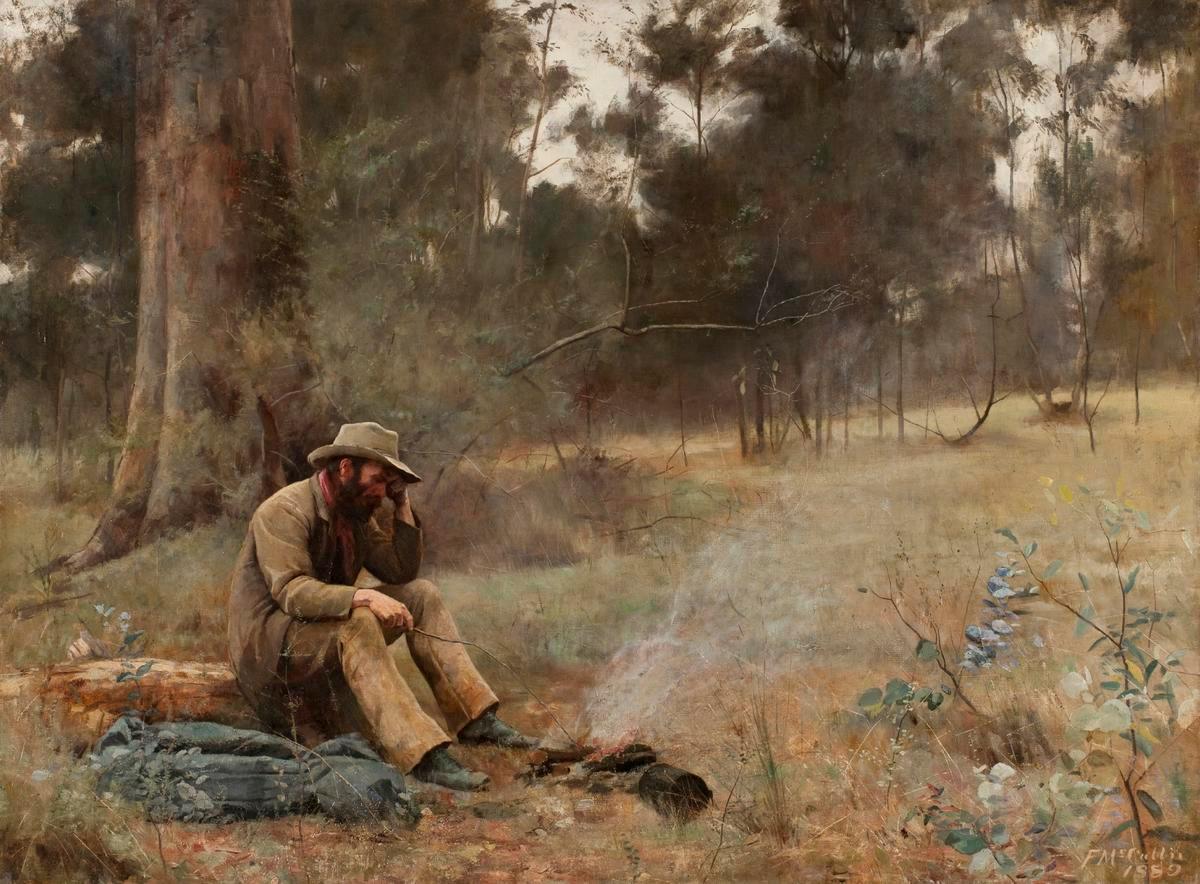
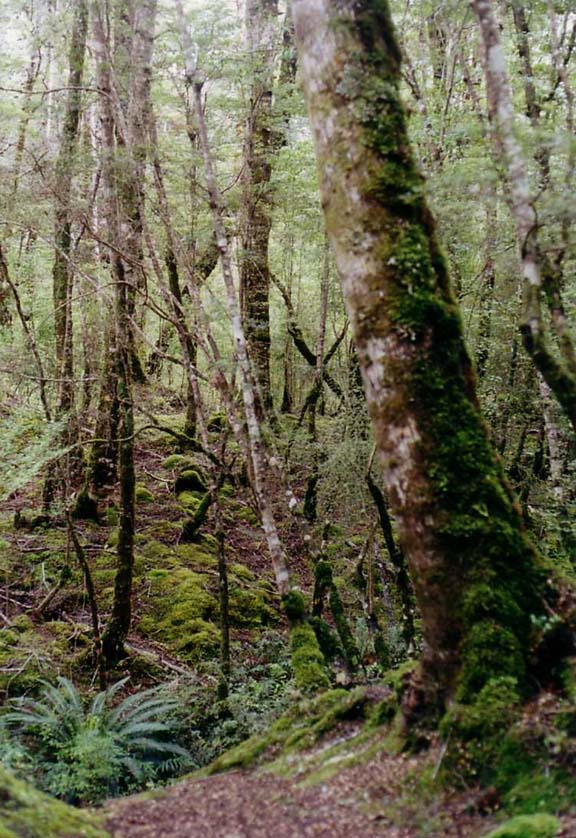
Different countries use the word with distinct local flavors. In general usage it appears in definitions and glossaries (definition). In Australia the bush evokes native eucalypt woodlands and the historic concept of out-of-town country life (Australia). In New Zealand it commonly denotes native forest and scrubland (New Zealand). In parts of Africa it can mean rural thicket or savanna (Africa), while in Canada and Alaska the term describes remote boreal forest and tundra-edge country often beyond road access (Canada, Alaska).
Typical characteristics
- Vegetation dominated by native trees, shrubs, and understory rather than cultivated crops.
- Lower population density and fewer built structures compared with urban areas.
- Important habitat for wildlife, and a landscape shaped by natural processes like fire, grazing, and seasonal change.
The bush is important for recreation—hiking, hunting, birdwatching—and for traditional livelihoods such as pastoralism, small-scale forestry and foraging. It also plays a role in conservation as a reservoir of native biodiversity and ecosystem services like carbon storage and water regulation.
History, language and culture
The word has roots in older European languages meaning wood or thicket and was adapted by colonists to describe unfamiliar landscapes. Over time it gained cultural resonance: literature, art and local traditions use "the bush" to evoke solitude, self-reliance, or a way of life tied to the land. Regional phrases such as "bushcraft" (skills for living in remote country) and "bush tucker" (wild foods) reflect practical knowledge associated with these places.
Notable distinctions include the difference between "the bush" and terms like "wilderness" or "forest"—the bush often implies inhabited or used country that is remote but not necessarily pristine. Awareness of bushland conservation and fire management is an increasingly important aspect of public policy and community practice.
For further reading about usage and regional variations see resources linked above and local guides that describe ecology, safety and cultural practices in bush areas.
Related articles
Author
AlegsaOnline.com The bush (remote natural areas and rural woodland) Leandro Alegsa
URL: https://en.alegsaonline.com/art/97704
Sources
- cultureandrecreation.gov.au : "The Australian Bush"
- abc.net.au : GroceryChoice useless for those in the bush