
Tavush Province — northeastern Armenian region of forests, mountains and monasteries
Tavush is a mountainous province in northeastern Armenia, noted for dense forests, historic monasteries and borderlands with Georgia and Azerbaijan. Capital: Ijevan. Area: 2,704 km²; pop. ~113,000 (2011).
Overview
Tavush is a province in the northeastern part of the Republic of Armenia. It covers roughly 2,704 km² and had a population of about 112,920 at the 2011 census. The provincial center and largest town is Ijevan. Other urban centers include the spa and tourist town of Dilijan and the town of Berd, along with several settlements that were reclassified as cities in the 1990s. Much of the province remains rural: numerous small communities and villages are scattered through valleys and highlands.
Image gallery
10 Images


Geography and borders
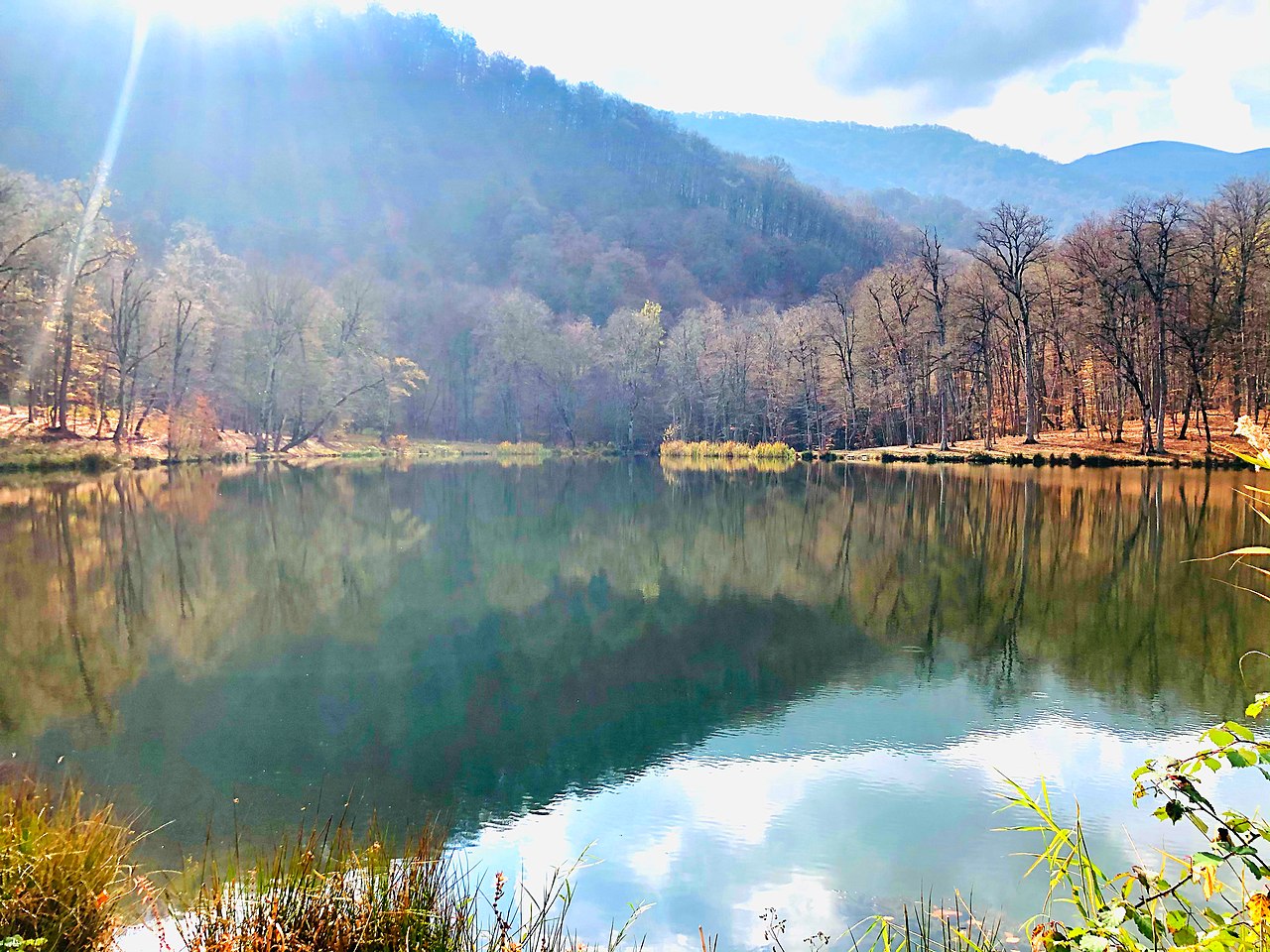
Tavush is predominantly mountainous and heavily wooded, with a landscape of ridges, river gorges and alpine meadows. It lies along international borders to the north and east. To the north it meets Georgia, while to the northeast and southeast it borders Azerbaijan. The province contains areas adjacent to small Azerbaijani exclaves that lie within Armenia; these enclaves and the surrounding borderlands have been affected by the regional conflict and carry a complex, contested status in recent decades (Barxudarlı and Yuxarı Əskipara are examples mentioned in historical accounts).
Administrative neighbors
Within Armenia, Tavush adjoins several provinces: Lori to the west, a short frontier with Kotayk to the southwest, and Gegharkunik to the south. The modern provincial boundaries were drawn after independence and reflect earlier district divisions from the Soviet period.
History and administration
The current Tavush administrative unit was established during a 1995 reorganization that followed Armenia's independence and decentralization reforms. It brought together territories that had been administered as the raions of Ijevan, Noyemberyan and Tavush (the latter historically called Shamshadin) under the Armenian Soviet Socialist Republic. The area has a long local history, with medieval monasteries and fortresses testifying to centuries of settlement and religious activity in the highlands.

Economy, nature and tourism
The province's economy is a mix of agriculture, forestry and small-scale manufacturing. Fruit growing, beekeeping and animal husbandry are common in rural communities, while timber and wood-related crafts have been important in the forested zones. Tavush has growing tourism based on its natural scenery, mountain trails and spa resorts; Dilijan and surrounding protected areas attract visitors seeking hiking, cultural sightseeing and countryside recreation. A portion of the province falls under nature protection and conservation efforts to preserve its biodiversity and landscapes.
Monasteries, culture and notable sites
Tavush contains several notable religious and architectural monuments, including medieval monasteries and churches set in forested gorges. Ruins and preserved complexes such as Samsonavank, Kirants and Aghavnavank are visited by both pilgrims and cultural tourists. Small local museums, traditional crafts and village festivals contribute to the province's cultural life. 
Practical notes and distinct features
Access to Tavush is by road from Yerevan and nearby provinces; mountainous terrain can make some routes challenging in winter. The province's border location means that some areas have been affected by security incidents and restrictions at times, while others have developed cross-border trade and cultural links where conditions permit. Administratively and historically connected to the Soviet-era divisions, the region today balances rural livelihoods, protected nature and a modest but expanding tourist infrastructure.

Related articles
Author
AlegsaOnline.com Tavush Province — northeastern Armenian region of forests, mountains and monasteries Leandro Alegsa
URL: https://en.alegsaonline.com/art/96559
Sources
- armstat.am : "RA Tavush Marz"