
Tawang District — a highland district of Arunachal Pradesh
Tawang is a high-altitude district of Arunachal Pradesh, India, known for its large Buddhist monastery, Monpa culture, scenic passes and strategic location in a border area claimed by China as part of 'South Tibet'.
Overview
Tawang is a mountainous district in the western part of the Indian state of Arunachal Pradesh. It forms one of the state's administrative divisions and is widely noted for its cultural links with Tibetan Buddhism and its sparse, predominantly Monpa population. The district headquarters is the town of Tawang, and the region is among the least densely populated in India.
Image gallery
7 Images


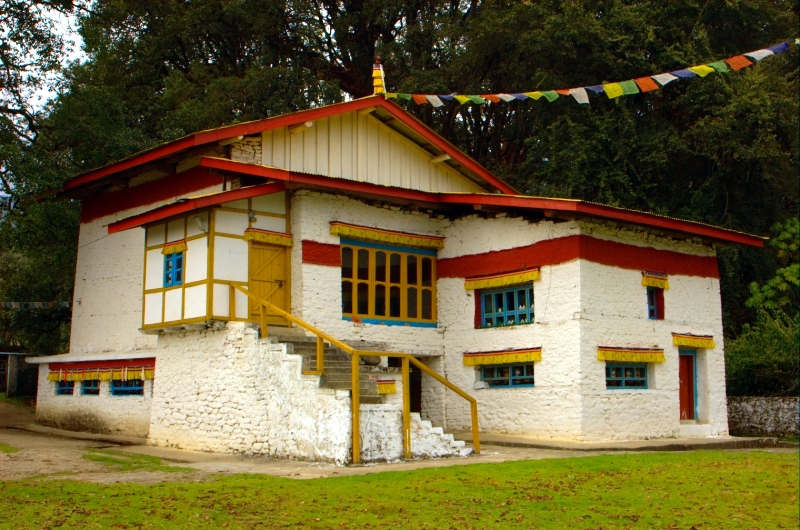
Geography and environment
The district lies in the eastern Himalaya and is characterized by high valleys, river gorges and alpine meadows. Cold winters and a short growing season shape local agriculture. Several high mountain passes connect Tawang with neighboring districts and states, and the area supports alpine flora and fauna adapted to its elevation and climate.
History and geopolitical context
Tawang has long cultural ties to Tibetan societies and was historically within the Tibetan cultural sphere. In modern times it became administered by India as part of Arunachal Pradesh's districts. The district is also the subject of an international dispute: the government of China claims parts of Arunachal Pradesh, including Tawang, referring to the area as part of "South Tibet" (claim name), a position that figures in broader India–China border tensions (see related claim). The 1962 Sino-Indian conflict affected the region and continues to influence its strategic importance.
People, culture and economy
The majority of residents are from the Monpa ethnic group, who practice Tibetan Buddhism and maintain traditional crafts, agriculture and pastoralism. Cultural life centers on monasteries, festivals and oral traditions. The local economy is largely subsistence-based, supplemented by small-scale trade, handicrafts and, increasingly, tourism services.
Tourism and notable sites
Tawang is best known for the large Tawang Monastery, an important center of Mahayana Buddhism and a regional pilgrimage site. Visitors are drawn by monasteries, panoramic mountain scenery and cultural festivals. Practical travel to the district often requires acclimatization and preparation for high-altitude conditions.
Administration and contemporary relevance
As one of the administrative districts of the state, Tawang is governed through local district institutions and contributes to regional development priorities such as road connectivity, health and education. Its border location makes it strategically significant for national infrastructure and defense. For readers seeking official or detailed administrative information, local government and state sources provide current data and guidance.
- Major attraction: Tawang Monastery and associated festivals
- Population: sparse, with a strong Monpa cultural presence
- Geopolitical note: part of an India–China border area with competing claims

Related articles
Author
AlegsaOnline.com Tawang District — a highland district of Arunachal Pradesh Leandro Alegsa
URL: https://en.alegsaonline.com/art/96560
Sources
- census2011.co.in : "District Census 2011"