
Kazan — Capital of the Republic of Tatarstan
Kazan is the capital and largest city of Tatarstan, Russia. A historic, industrial and cultural hub on the Volga, it is a center of Tatar culture and a major regional economic and educational centre.
Overview
Kazan is the capital city of the Republic of Tatarstan, situated where the Volga (İdel) and Kazanka (Qazansu) rivers meet. Known for a long history of multiethnic settlement, Kazan today serves as a regional political, economic and cultural center. The city's Russian name is recorded as Каза́нь and its Tatar name as Казан. It is one of the largest cities in Russia and the principal city of Tatarstan.
Image gallery
4 Images


Geography and urban character
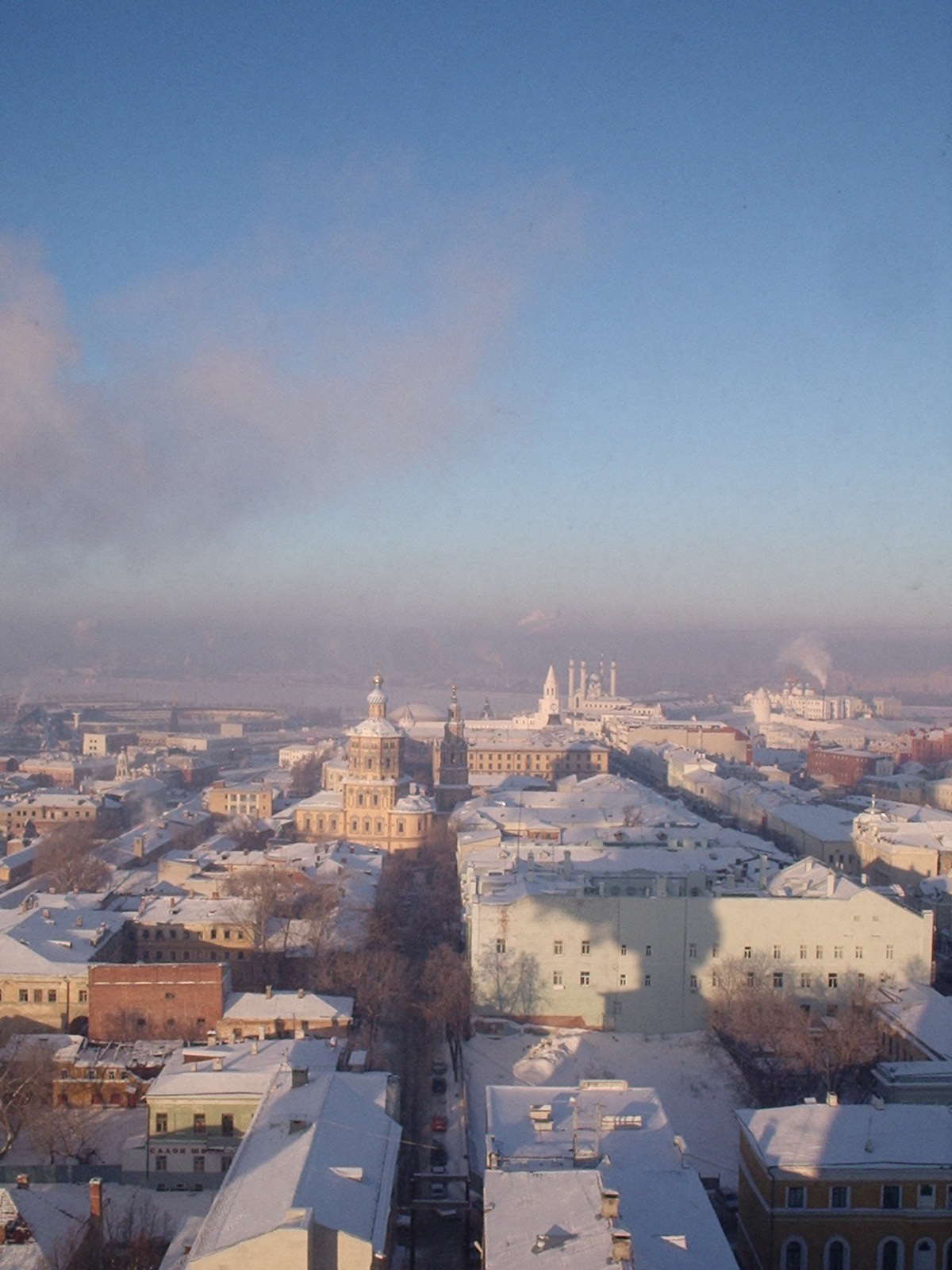
Located in central European Russia, Kazan occupies a strategic position along important river routes. Its urban fabric combines historic districts and modern developments: wide avenues and Soviet-era quarters sit alongside restored merchant houses and new business centers. The city reflects a mixture of Slavic and Turkic cultural influences, visible in language, cuisine and public life.
History and development
Kazan's history stretches back many centuries as a fortress and trading post on the Volga. It became the capital of the Kazan Khanate before incorporation into the expanding Russian state. Over time the city evolved through periods of trade, industrialization and cultural revival, shaped by both Russian and Tatar communities. This layered past is evident in religious buildings, civic architecture and local traditions.
Economy, education and culture
Kazan is an important industrial and commercial center with sectors such as machinery, chemical production and information technology. It is also a major educational hub, home to higher-education institutions that attract students from across the region. The city remains widely recognized as the chief center of Tatar culture, hosting festivals, theaters and museums that celebrate language, music and cuisine.
Landmarks and public life
Key sights include a historic kremlin complex, mosques and Orthodox churches, university campuses and riverfront promenades. Notable features are:
- The Kazan Kremlin and its mix of medieval and later architecture.
- Prominent religious sites reflecting both Islamic and Orthodox Christian traditions.
- Modern sports and cultural venues that host national and international events.
Distinctions and modern role
Today Kazan is known for its cultural pluralism and economic dynamism. It has hosted major sporting and cultural events, and serves as a bridge between Russian and Turkic worlds in commerce, education and the arts. For visitors and scholars alike, Kazan offers a compact example of how historic legacy and contemporary growth coexist in a modern regional capital.
Russian name · Tatar name · Tatarstan · Russia · Tatar culture
Related articles
Author
AlegsaOnline.com Kazan — Capital of the Republic of Tatarstan Leandro Alegsa
URL: https://en.alegsaonline.com/art/52609
Sources
- kzn.ru : Kazan City Duma · web.archive.org
- metshin.ru : Official website of the Mayor of Kazan · web.archive.org
- gks.ru : Федеральная служба государственной статистики · web.archive.org
- gks.ru : "Всероссийская перепись населения 2010 года. Том 1[[Category:Articles containing Russian-language text]]"
- tatstat.gks.ru : tatstat.gks.ru
- tatarstan.ru : "Welcome to the Republic of Tatarstan" · web.archive.org
- pravo.gov.ru : "Об исчислении времени"
- aboutkazan.com : "Kazan Russia - a thousand-year Russian city travel guide"
- archive.wikiwix.com : archive.wikiwix.com
- timeanddate.com : "Current Local Time in Kazan, Russia" · web.archive.org